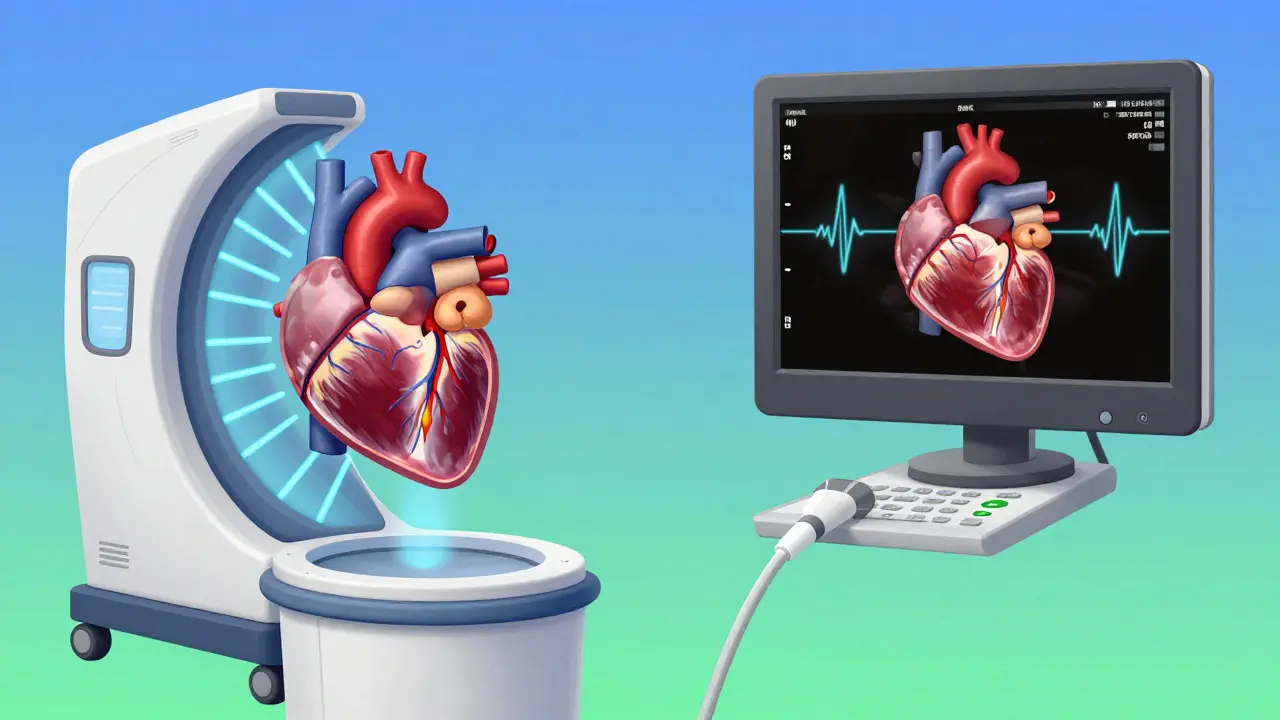
Cardiac MRI and echocardiography are key tools for heart imaging. Learn how each works, their strengths, and when doctors recommend one over the other. Find out which test is best for your specific heart health needs.

Cardiac MRI and echocardiography are key tools for heart imaging. Learn how each works, their strengths, and when doctors recommend one over the other. Find out which test is best for your specific heart health needs.

Itchy, red eyes from allergies? Learn how antihistamine eye drops like Pataday and Zaditor work, which ones are best, how to use them right, and how to avoid common mistakes that make symptoms worse.

Polysomnography is the most comprehensive sleep study used to diagnose sleep disorders like apnea, narcolepsy, and parasomnias. Learn what happens during the test, how results are interpreted, and why it's still the gold standard in 2026.
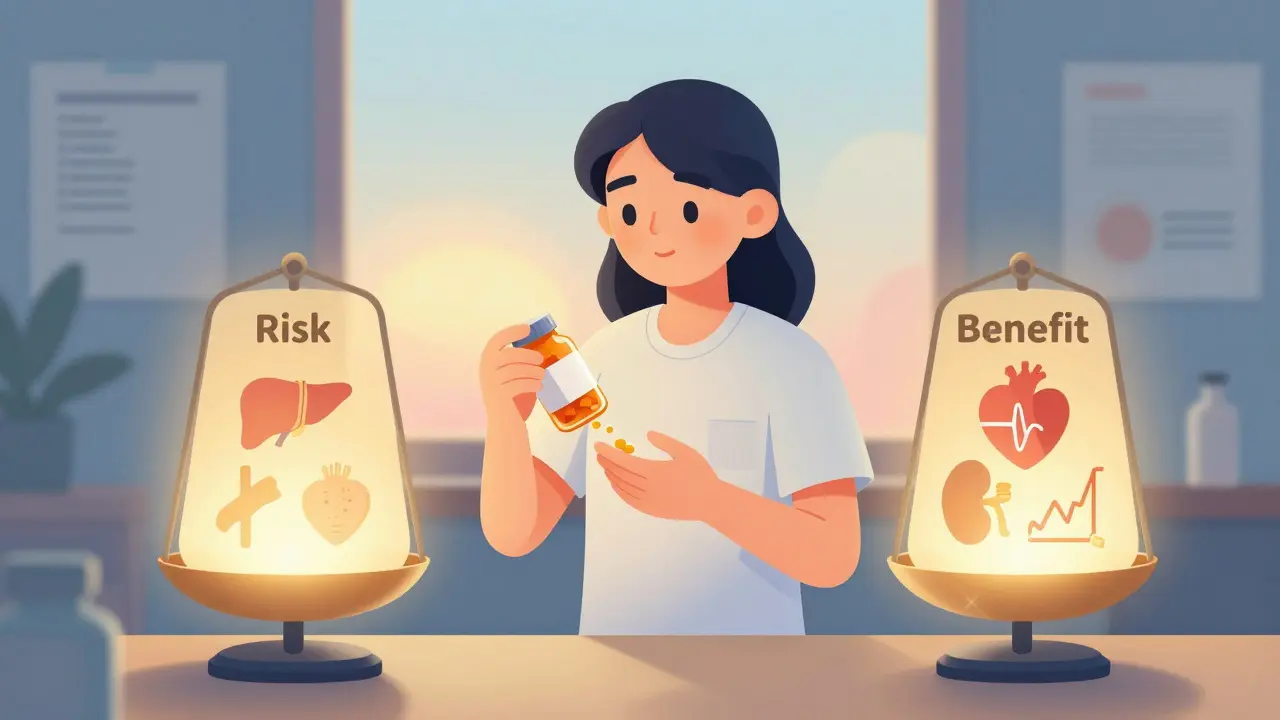
Learn how to read FDA safety alerts without panic. Understand the difference between potential signals and confirmed risks, and how to weigh a drug's benefits against its side effects for smarter health decisions.

TNF inhibitors like adalimumab and etanercept help control autoimmune diseases but raise concerns about cancer risk. Real-world data shows no overall increase in cancer, but skin cancer risk is slightly higher-especially with adalimumab. Regular skin checks and steroid reduction are key.
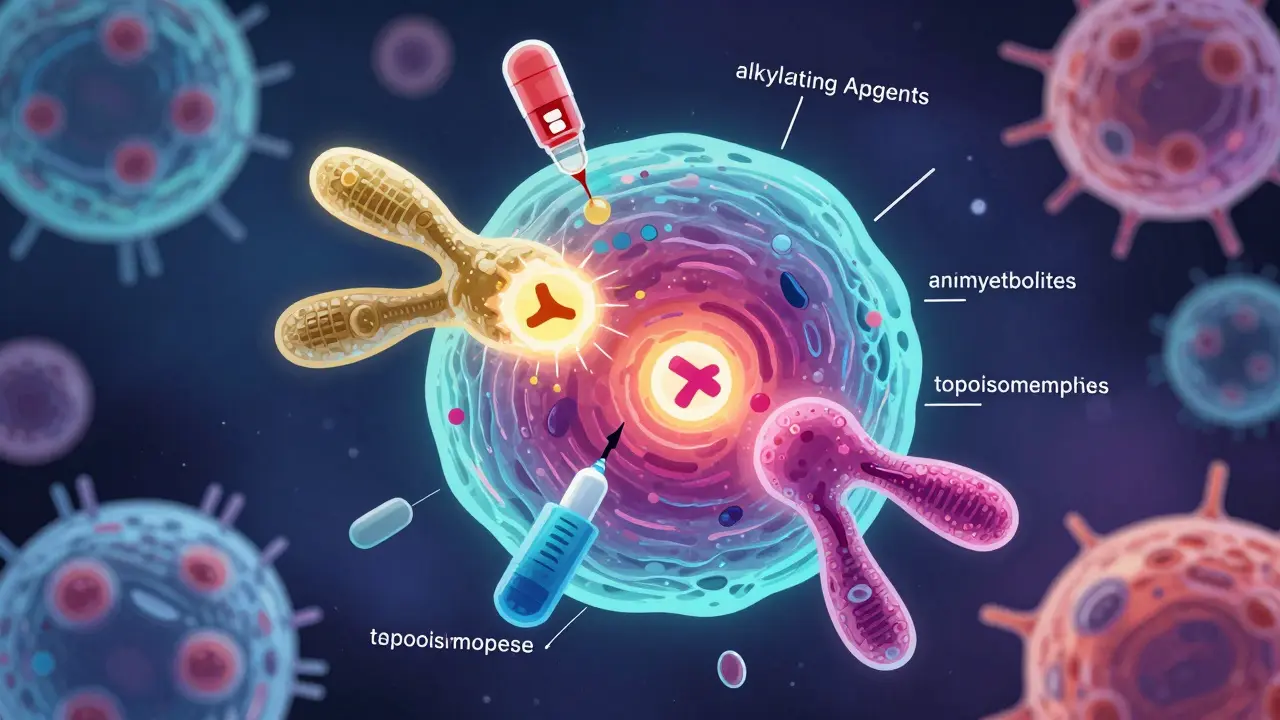
Chemotherapy uses cytotoxic drugs to kill rapidly dividing cancer cells, but also affects healthy cells, causing side effects like fatigue, hair loss, and nerve damage. Learn how it works, why it's still vital in 2026, and how modern care helps manage its impact.
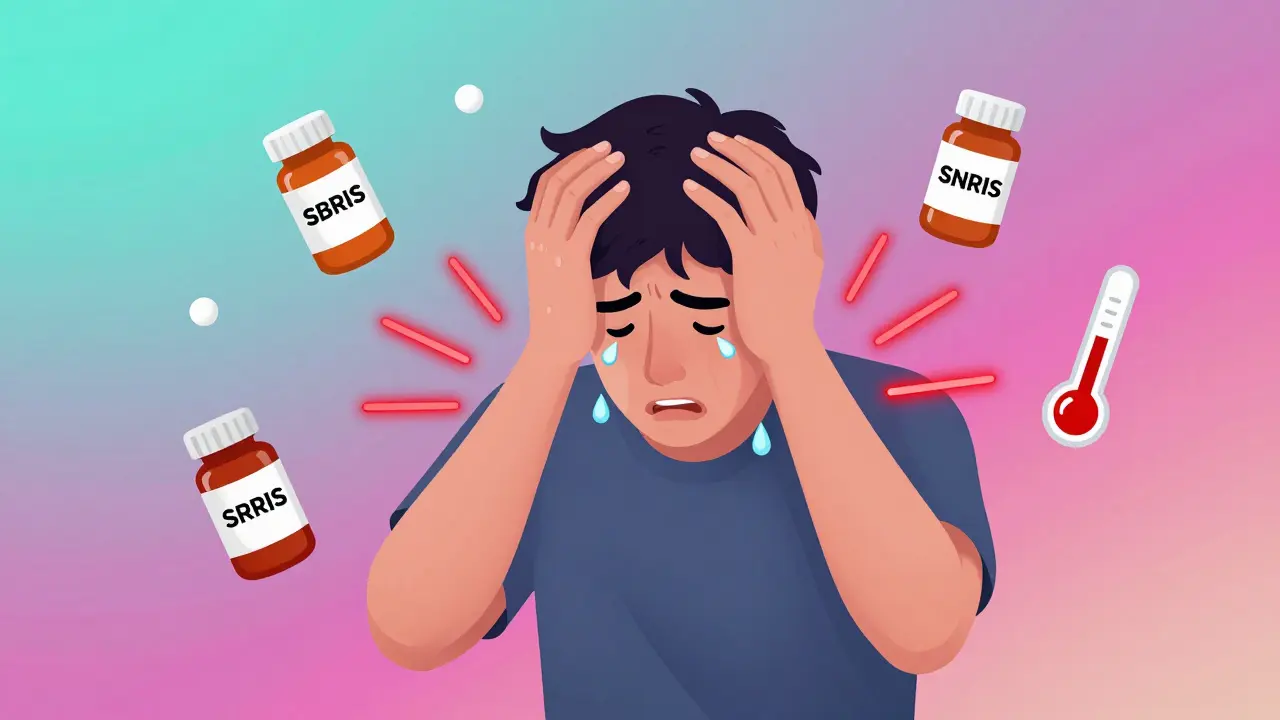
Recognize the early warning signs of serotonin syndrome from antidepressant overdose-tremors, sweating, confusion, and muscle spasms. Act fast to prevent life-threatening complications.
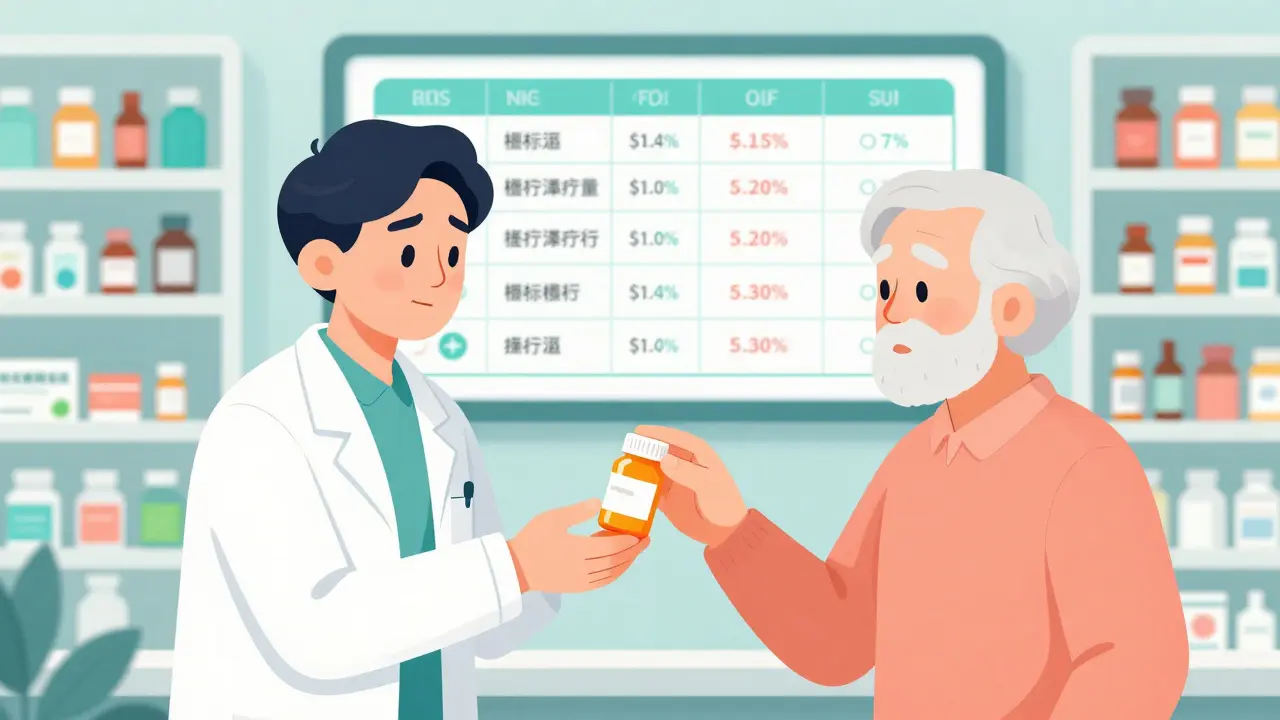
UK NHS substitution laws now require pharmacists to use generic medicines unless blocked by the doctor. New 2025 reforms are shifting care from hospitals to homes - raising safety concerns and access issues for vulnerable patients.
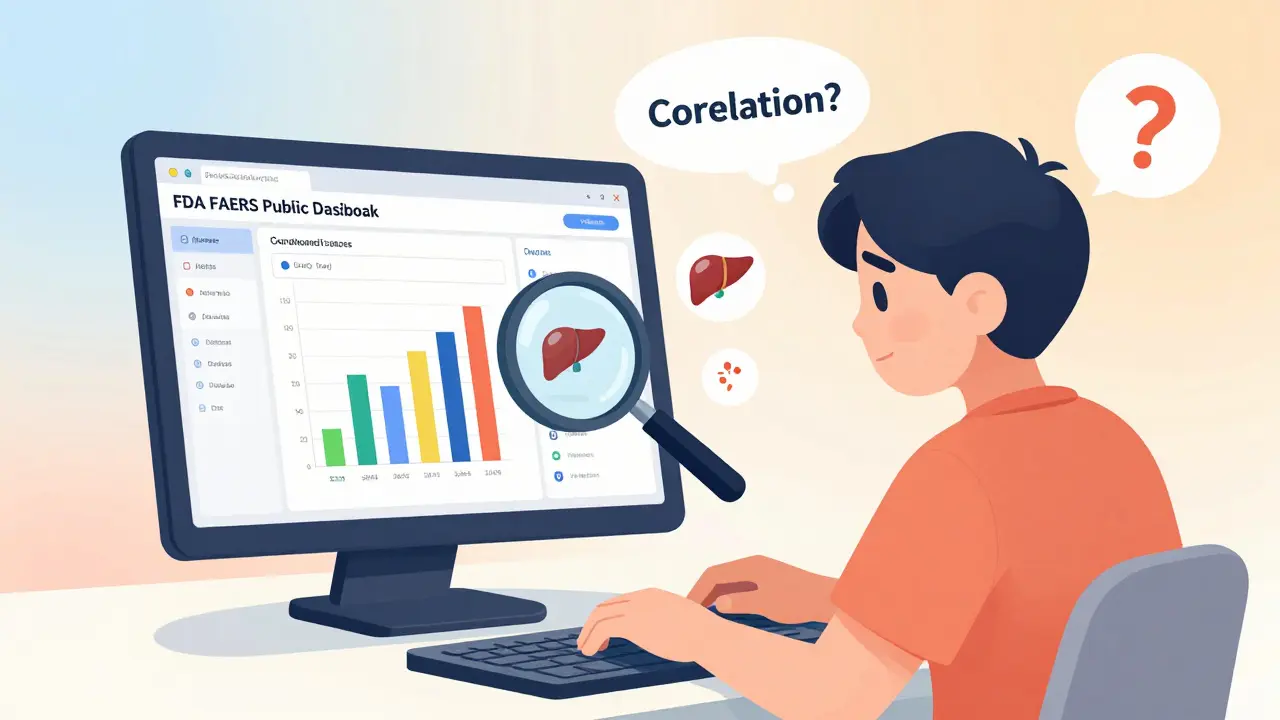
Learn how to access the FDA's FAERS adverse event database for free. Discover tools, limitations, and how to interpret drug safety data without being misled by incomplete reports.
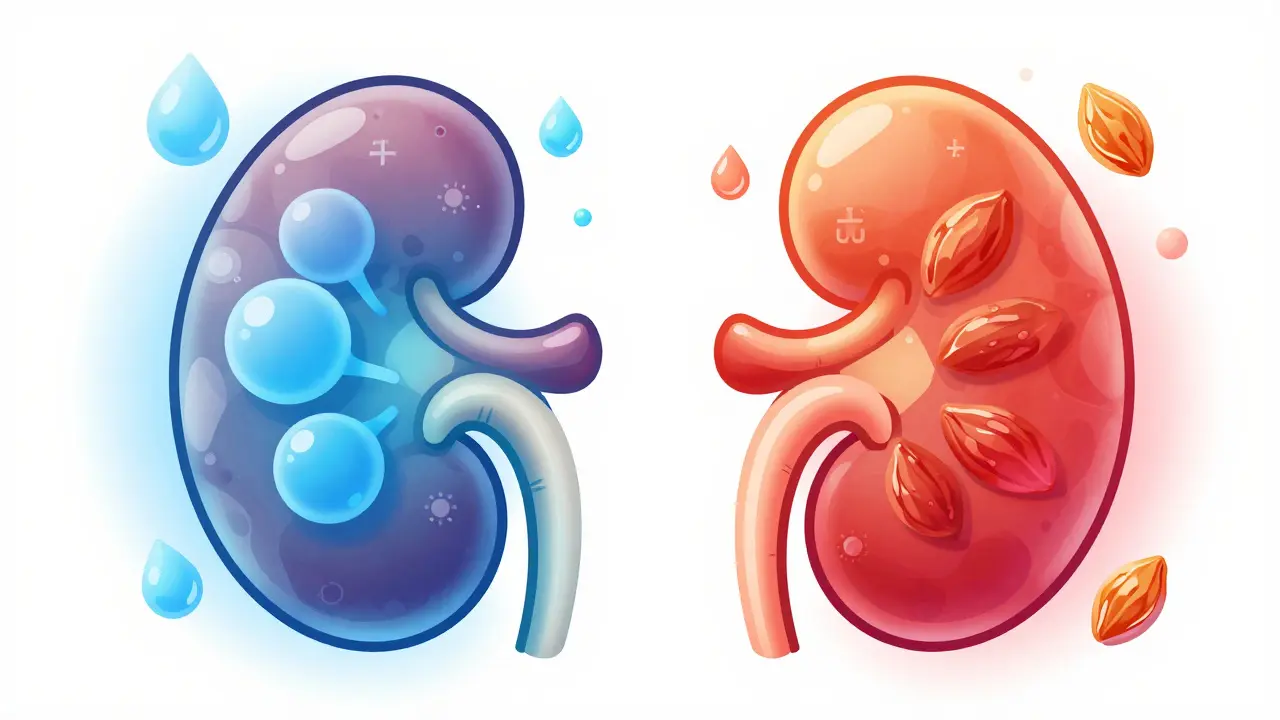
Hyponatremia and hypernatremia are common, dangerous electrolyte disorders in kidney disease. Learn how CKD disrupts sodium balance, the real risks, and how to manage them safely without worsening kidney function.