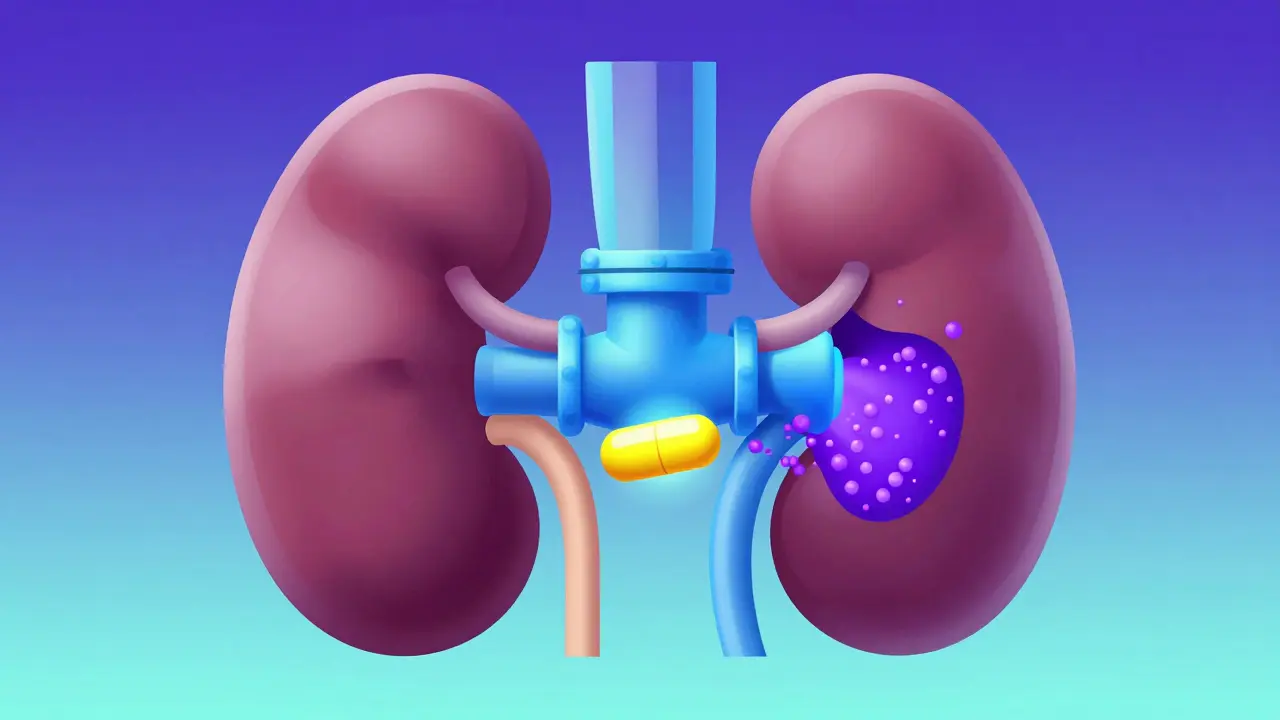
Understand the risky interaction between Methotrexate and NSAIDs. Learn how kidney function affects drug levels, warning signs of toxicity, and safe management tips.

Looking for straight answers about common drugs without the medical fog? This page brings together clear summaries, safety tips, and smart alternatives for widely used medications so you can make better decisions and talk to your clinician with confidence.
We cover how drugs work, who usually needs them, common side effects, and simple steps to stay safe. You’ll see focused guides on Rocaltrol (calcitriol) for calcium issues, Triamcinolone alternatives if steroids aren’t right for you, how Rifampin can affect nerve function, plus smart options instead of Lasix and Metformin in 2025.
Each article highlights: who benefits most, what to watch for, and real-world pros and cons. We keep language plain and give practical tips you can use during a clinic visit or when reviewing your medications at home.
Never stop or swap prescriptions without talking to your provider. Ask these simple questions: Why is this drug prescribed for me? What are the likely side effects and how soon do they appear? Are there newer or safer alternatives for my condition? Can this med interact with others I take, including supplements?
For example, Rocaltrol helps raise calcium but can cause high calcium if doses aren’t monitored — ask for regular blood tests. If you’re on Triamcinolone and want fewer steroid effects, check our 2025 alternatives list to compare topical and non-steroid options. If you take Rifampin, be aware it can change how nerves feel and may alter other drug levels — report new numbness or mood changes quickly.
Lasix alternatives can help with edema or blood pressure when loop diuretics aren’t ideal; our guide explains differences between diuretics and when each works best. For Metformin, we list newer diabetes drugs and lifestyle-supporting supplements so you can weigh pros and cons with a clinician, not guess online.
Want actionable next steps? Keep a current medication list, note doses and timing, track any new symptoms for two weeks after a change, and bring that list to appointments. If you start or stop supplements, mention them — they often interact with prescription drugs.
We aim to make medication choices less stressful. Read the linked articles for deeper info on each drug, use the quick questions at appointments, and always confirm changes with your healthcare team. If you need help finding a provider or interpreting test results, our resources page points to reliable support and patient resources.
Understand the risky interaction between Methotrexate and NSAIDs. Learn how kidney function affects drug levels, warning signs of toxicity, and safe management tips.
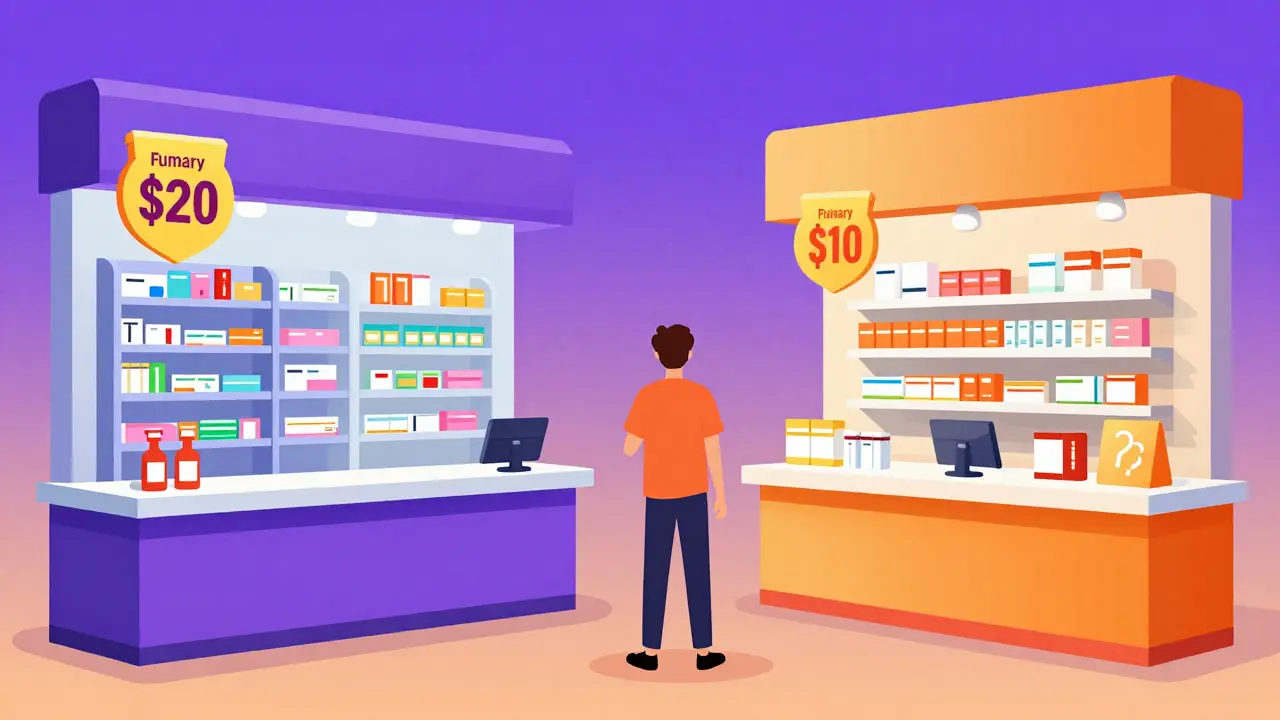
Learn how to find the cheapest generic Accutane (isotretinoin) online and in-store. Compare pharmacy prices, use discount coupons, and explore telehealth options to save hundreds.
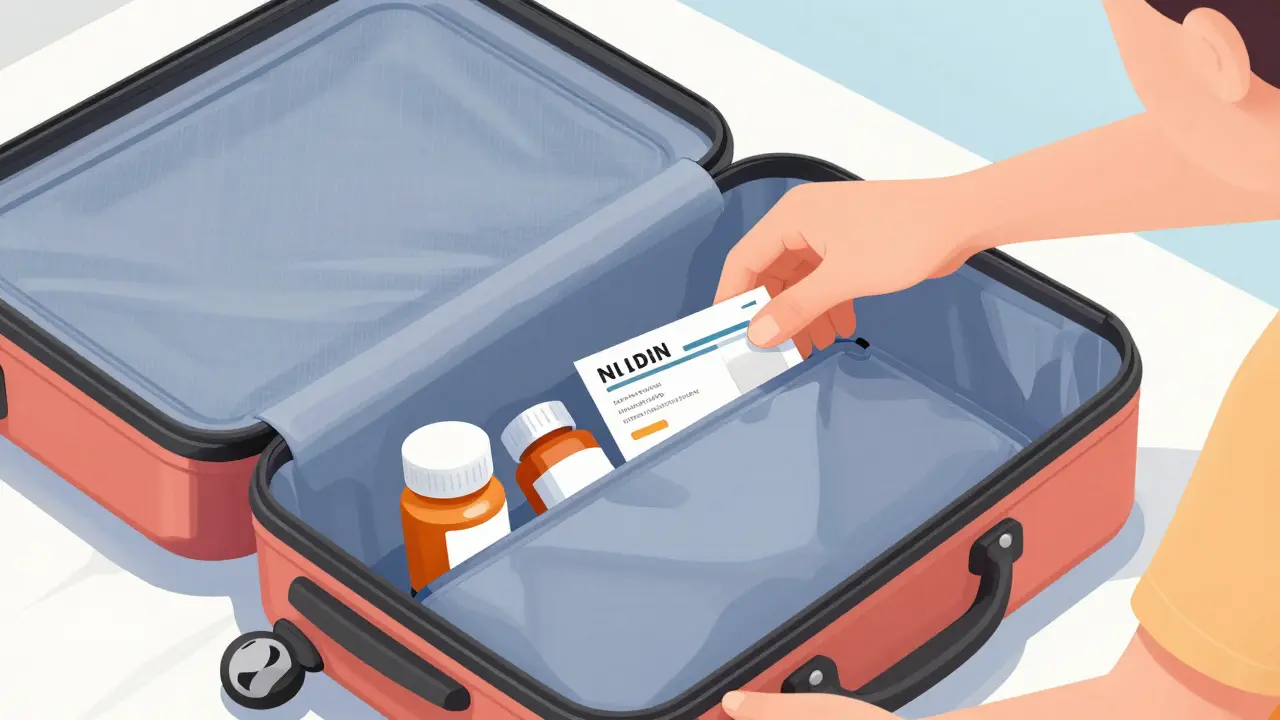
Learn how to securely carry backup prescriptions and digital copies while traveling. Discover the best tools and methods to prevent theft and medication errors.
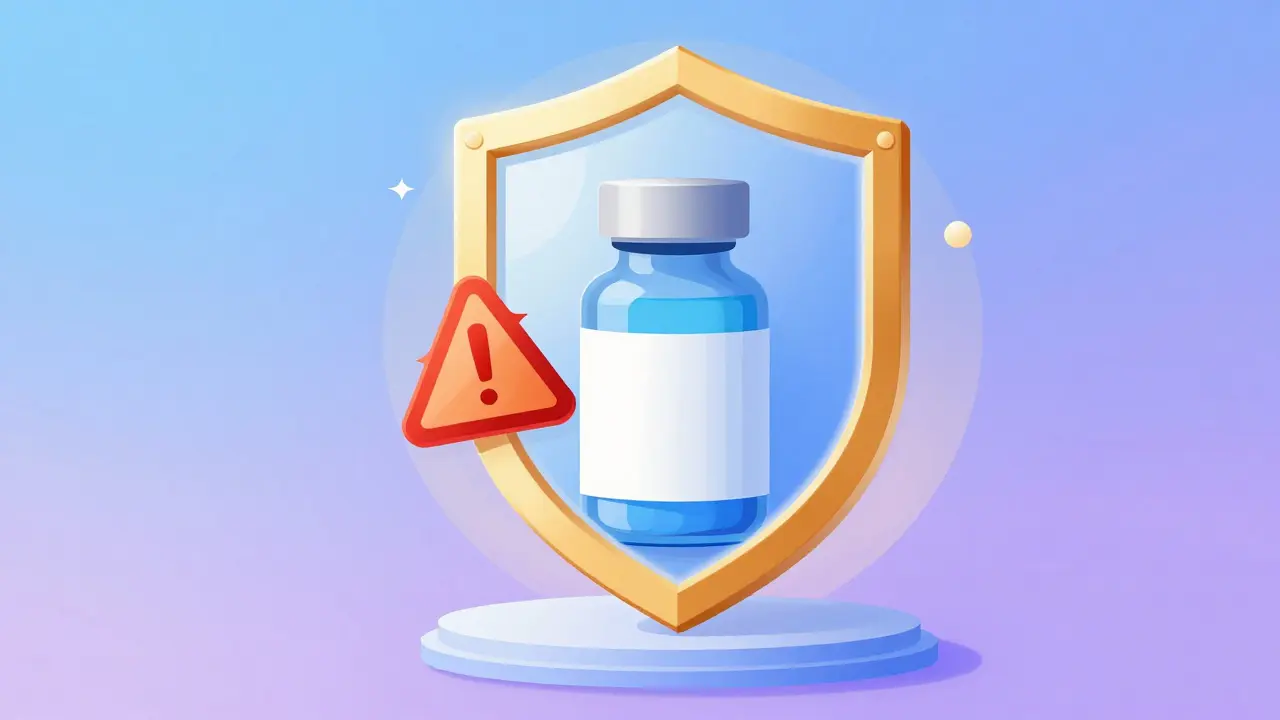
Learn how FDA REMS programs manage high-risk medications. Discover how these safety strategies balance patient access with critical risk mitigation for dangerous drugs.

Discover the serious health risks when grapefruit interacts with statin medications. Learn which cholesterol drugs require grapefruit avoidance, symptoms of toxicity, and safer alternatives.
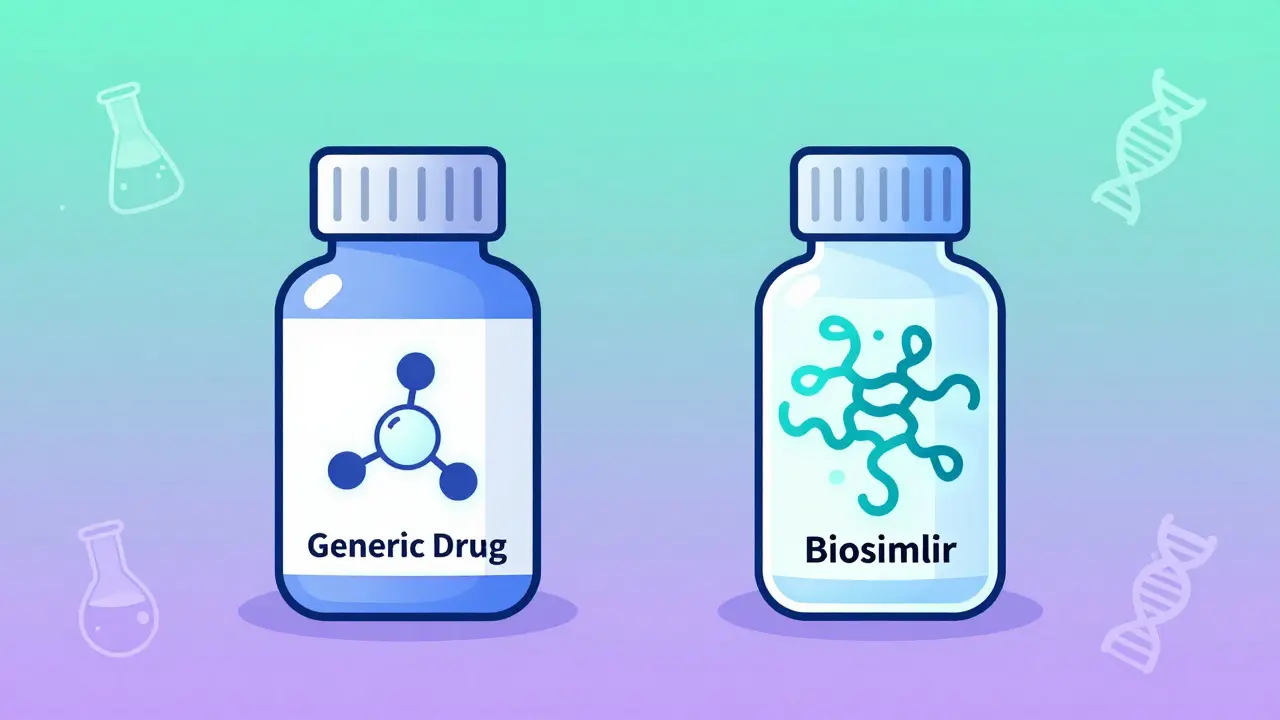
Biosimilars and generics both lower drug costs, but they're fundamentally different. Generics are exact chemical copies; biosimilars are highly similar biological versions. Understanding the difference helps you make smarter treatment choices.
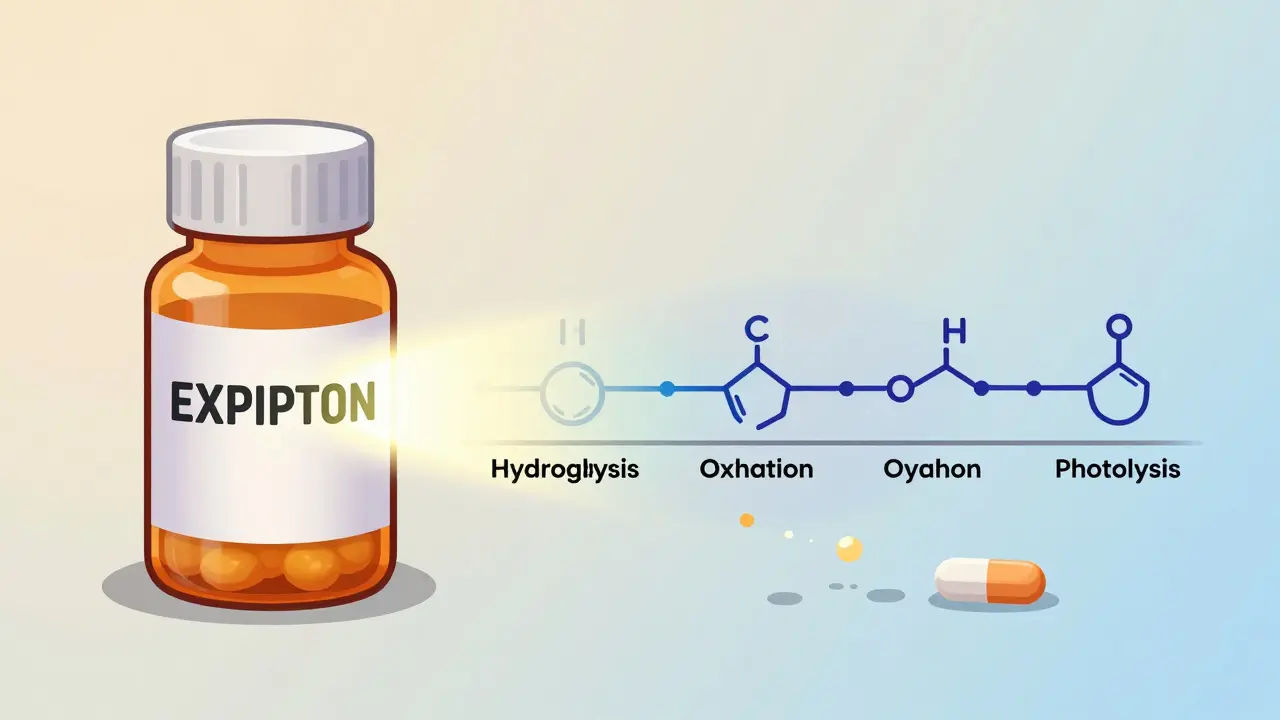
Medications don't suddenly stop working after their expiration date-they gradually lose potency due to chemical breakdown. Learn why some drugs last longer than others and when it's unsafe to use expired medicine.

Generic drug prices aren't set by pharmacies or insurers-they're controlled by PBMs using hidden pricing tactics like spread pricing. Learn how this system works, why you're often paying more than cash price, and what you can do about it.
Discover the only free, government-backed online drug databases trusted by patients for accurate medication safety info-DailyMed, LactMed, and DrugBank. No ads. No bias. Just facts.
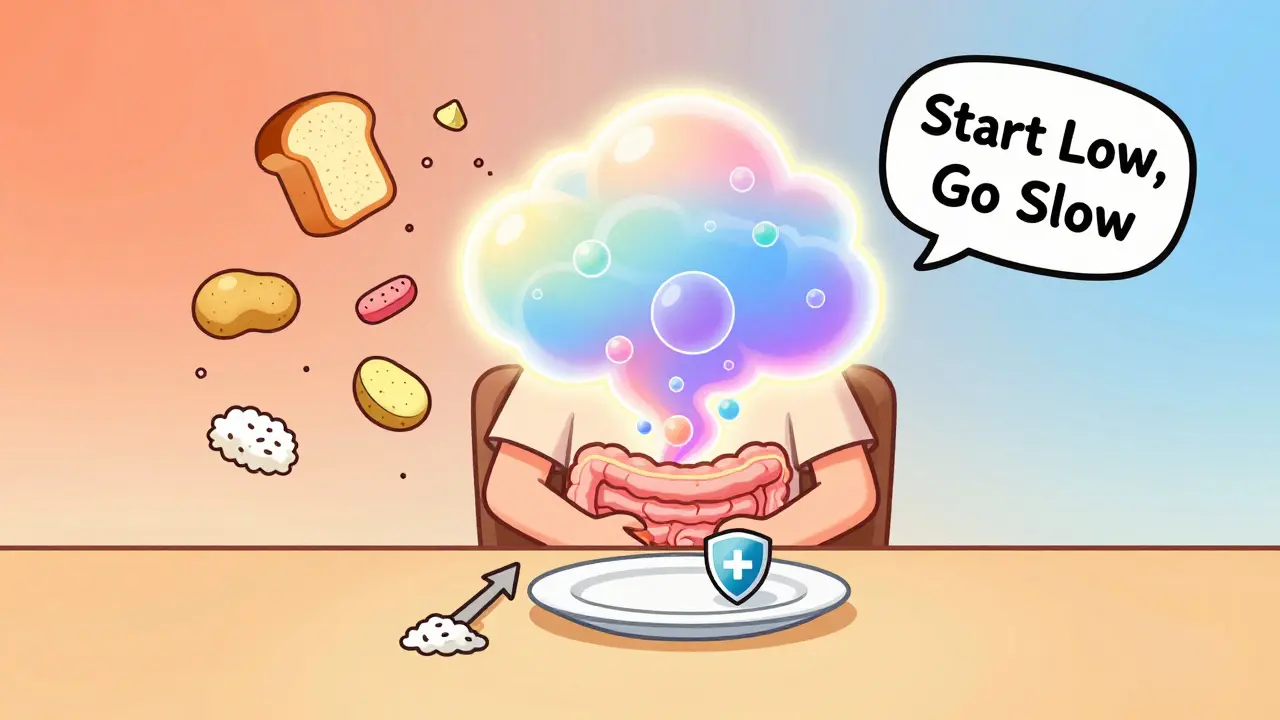
Alpha-glucosidase inhibitors like acarbose help control post-meal blood sugar but cause gas, bloating, and diarrhea in many users. Learn how to manage these side effects and who still benefits from these drugs.