
How Insurer-Pharmacy Negotiations Set Generic Drug Prices
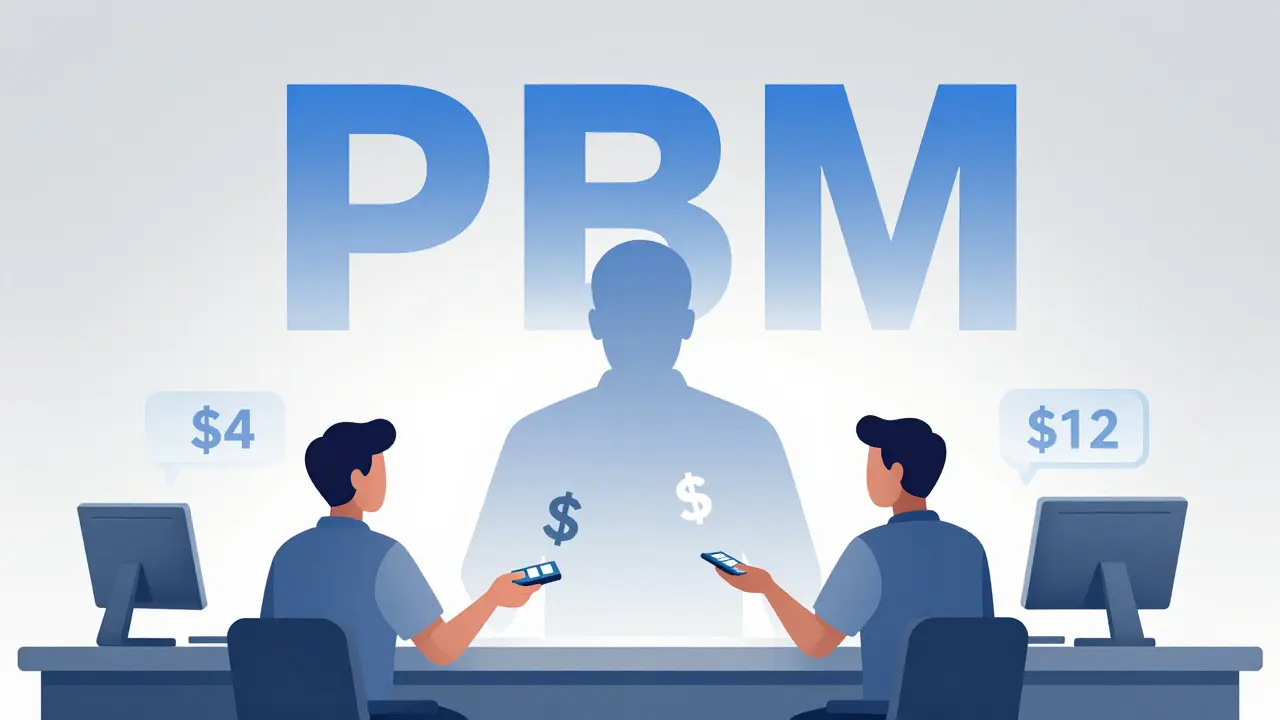
Ever filled a prescription for a generic drug and been shocked by the price-even with insurance? You're not alone. In 2024, nearly 42% of insured Americans paid more out-of-pocket for a generic medication than they would have if they’d paid cash. That’s not a mistake. It’s how the system is designed.
Who Really Sets the Price?
The price you pay at the pharmacy for a generic drug isn’t set by the drugmaker, the pharmacy, or even your insurer directly. It’s decided behind closed doors by Pharmacy Benefit Managers, or PBMs. These companies act as middlemen between insurers and pharmacies, negotiating what’s called a maximum allowable cost (MAC) for every generic drug on the market. Think of them as the secret architects of your prescription bill.Three companies-OptumRx, CVS Caremark, and Express Scripts-control about 80% of the PBM market. That kind of consolidation means they have enormous power. They decide which drugs are covered, which pharmacies you can use, and how much those pharmacies get paid to fill your prescription. And here’s the catch: what they pay the pharmacy is often far less than what they charge your insurance plan. That gap? It’s called spread pricing.
How Spread Pricing Works
Let’s say your insurance plan uses a PBM to manage your drug benefits. The PBM negotiates with a pharmacy: they’ll reimburse the pharmacy $4 for a 30-day supply of metformin. But when the PBM bills your insurer, they charge $12. The $8 difference? That’s profit for the PBM. You don’t see it. Your insurer doesn’t see it. You just see a $10 copay on your receipt.This isn’t theoretical. A 2023 Wall Street Journal investigation found patients paying through PBM networks sometimes paid 10 times more than the cash price for the same generic drug. One man with multiple sclerosis paid $45 for a generic version of his medication through insurance-while the cash price at the same pharmacy was $4. That’s not a glitch. That’s the model.
PBMs justify this by saying they use volume to negotiate lower prices. But here’s the twist: the higher the list price of a drug, the bigger the rebate they get from manufacturers. That creates a perverse incentive: PBMs benefit when list prices go up-even if your out-of-pocket cost goes up too. Dr. Joseph Dieleman of the Institute for Health Metrics and Evaluation put it bluntly: “The current PBM system creates perverse incentives where higher list prices generate larger rebates, ultimately increasing patient cost-sharing burdens.”
Why Your Copay Doesn’t Match Reality
You might think your $5 or $10 copay for generics is a bargain. It was, back in the late 1990s. Today, that number hasn’t changed much. According to industry reports, average generic copays hovered around $5-$7 for over two decades. Meanwhile, the actual cost of producing these drugs has dropped. Generic metformin costs less than 10 cents per pill to make. Yet, you’re still paying $5-$10.Why? Because your copay isn’t based on what the drug costs-it’s based on what the PBM says it costs. And that number is pulled from outdated benchmarks like the Average Wholesale Price (AWP), which was designed in the 1970s as a list price for hospitals, not a real market price. Today, AWP is often 100-200% higher than what pharmacies actually pay. PBMs use this inflated number to justify their reimbursement rates, and you end up paying the difference.
The Hidden Costs for Pharmacies
It’s not just patients who lose. Independent pharmacies are getting squeezed. PBMs often reimburse them below cost, then claw back money after the fact. One pharmacy owner in Ohio told a reporter she lost $300 in a single month because her PBM retroactively reduced payments for 17 claims. That’s called a clawback. About 63% of independent pharmacies report this happening regularly.To keep up, pharmacies spend hundreds of hours a year trying to decode PBM contracts. Some hire PBM specialists for $100,000 a year just to understand reimbursement rules. Others invest $12,500 in billing software that still can’t keep up with changing rules. Between 2018 and 2023, over 11,300 independent pharmacies shut down because they couldn’t survive the pressure.
Why You Can’t Find Out the Real Price
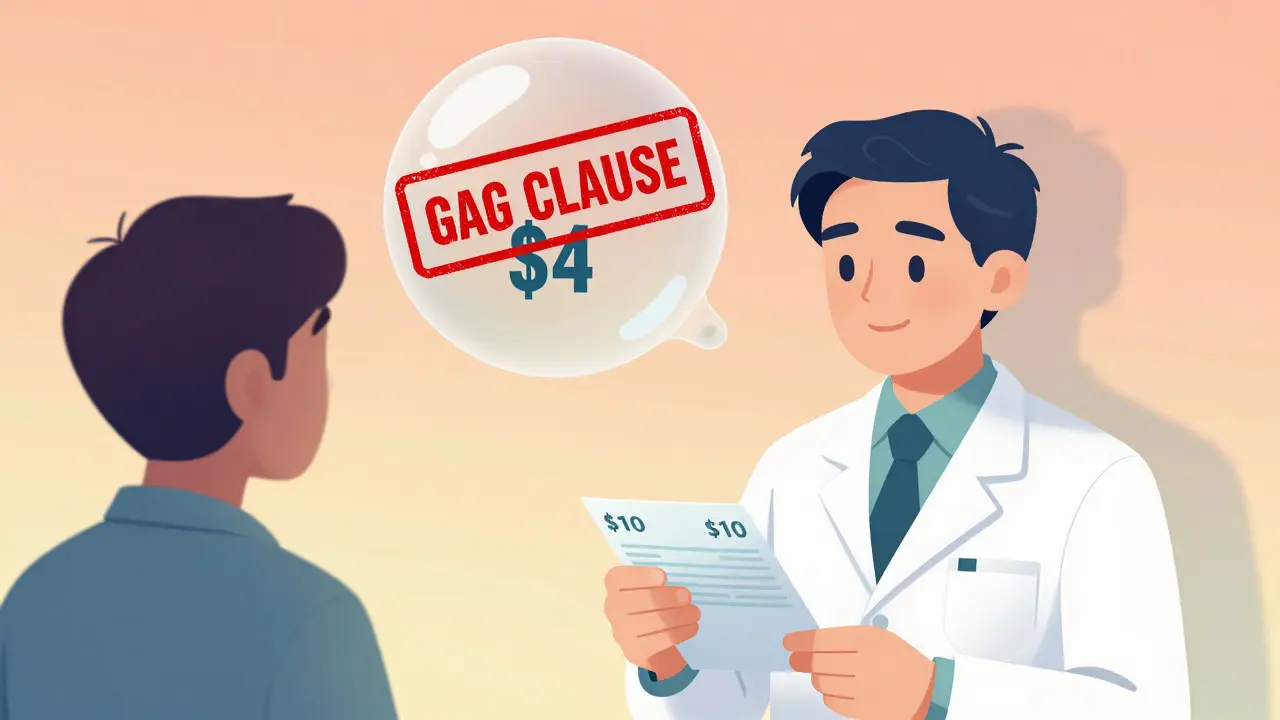
You’d think pharmacists could just tell you the cash price before you pay. But most can’t. Over 92% of PBM contracts include gag clauses that legally prevent pharmacists from informing patients about cheaper cash options. Even if the cash price is $4, they’re not allowed to say so. The No Surprises Act of 2020 tried to fix this, but enforcement is weak. In 2023, 78% of complaints to the CMS Ombudsman Office came from people who discovered their insurance copay was 200-300% higher than the cash price.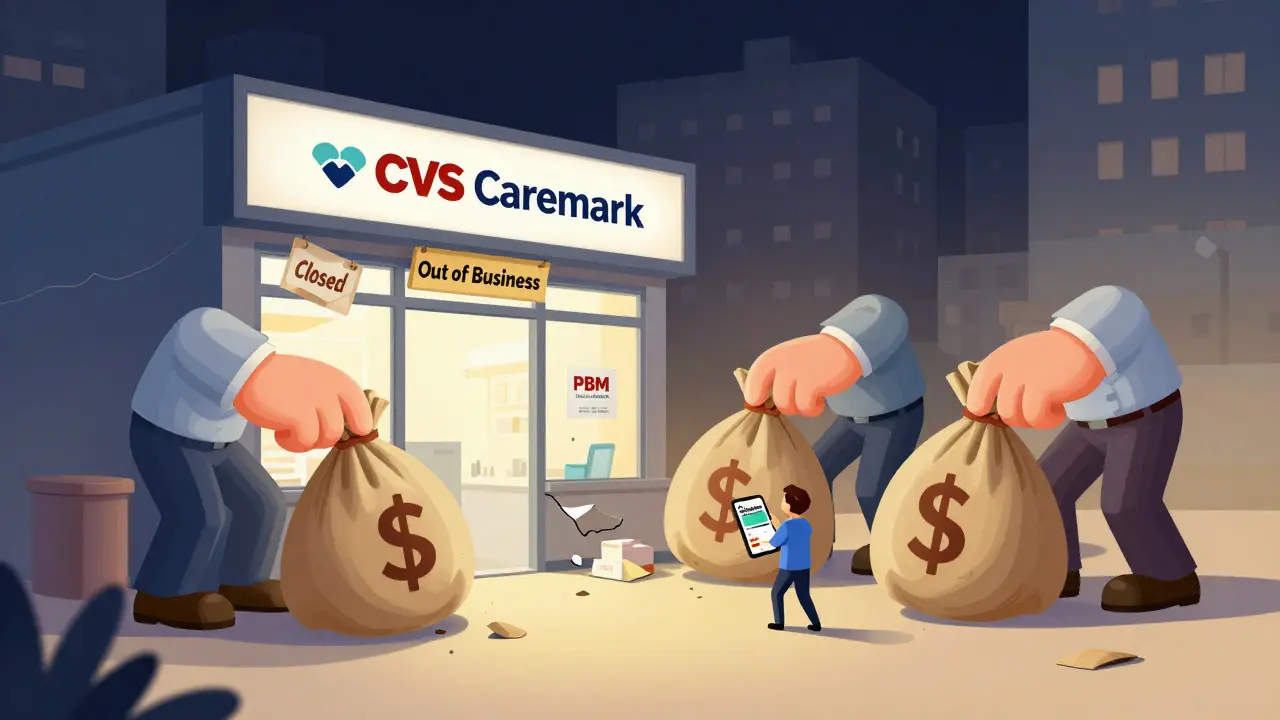
What’s Changing? And What’s Not
There’s pressure building. In September 2024, the Biden administration issued an executive order banning spread pricing in federal programs-effective January 2026. Fourteen states already require PBM transparency. The 2025 Medicare Drug Price Negotiation Program will expand to 20 drugs, and Congress is considering bills that would force PBMs to pass 100% of rebates to insurers.But don’t expect miracles. The pharmaceutical industry argues this system funds innovation. PBMs say they save money. The truth? The system works exactly as designed-for them. The $15.2 billion in hidden profits generated by spread pricing in 2024 came mostly from generic drugs. That’s money that never reached patients, pharmacies, or even insurers.
What You Can Do Right Now
You don’t have to wait for Congress to fix this. Here’s what actually works:- Always ask for the cash price. Even if you have insurance, the cash price at pharmacies like Walmart, Costco, or GoodRx is often lower than your copay. You’re allowed to pay cash instead of using insurance.
- Use discount apps. GoodRx, SingleCare, and RxSaver show real-time cash prices. They’re not affiliated with PBMs, so they show what pharmacies actually pay.
- Switch pharmacies. If your pharmacy won’t tell you the cash price, go somewhere else. Independent pharmacies often have better cash pricing than big chains tied to PBMs.
- Check your plan’s formulary. Some employer plans offer transparent pricing. If yours does, stick with it.
For 90% of prescriptions, generics are the same drug, made in the same factory, with the same active ingredient. The price shouldn’t vary by 1,000%. But because the system is built on secrecy, opacity, and hidden profits, it does.
The Bigger Picture
The U.S. spends $620 billion a year on prescription drugs. Generics make up 90% of all prescriptions-but only 23% of total spending. That’s because the system is designed to make you pay more for cheaper drugs. It’s not broken. It’s working exactly as intended-for PBMs and drugmakers, not for you.The real question isn’t how prices are set. It’s who they’re set for. And until patients, pharmacists, and lawmakers demand real transparency, you’ll keep paying more than you should.
about author

Sean Callahan
this is wild i had no idea my $10 copay for metformin was literally 250x the real cost. like... why do we even have insurance if it makes us pay more? 🤯
Susan Purney Mark
I’ve been using GoodRx for years and always pay cash. My sister still uses insurance and wonders why she’s broke. It’s not magic, it’s just greed. 🙃
Ian Kiplagat
The AWP system is a relic. Like using a rotary phone to order a drone. PBMs didn't invent this-they just weaponized it.
Amina Aminkhuslen
This system is a carnival mirror version of capitalism. They take your pain, turn it into a spreadsheet, then charge you extra for the paper it’s printed on. Absolute nightmare fuel.
Ferdinand Aton
Wait-so you’re saying the system isn’t broken? It’s working PERFECTLY? Then why are we all so angry? Maybe the problem isn’t the system… it’s us for believing it was ever meant to help.
William Minks
I use SingleCare and save like 70% every time. Also, my local pharmacy gave me a free lollipop last week. Small wins, ya know? 🍭❤️
Jeff Mirisola
I used to think PBMs were middlemen saving us money. Now I realize they’re middlemen saving themselves. The real scandal? Nobody’s talking about how they’re also owned by the same insurers they're supposed to negotiate for. It’s all one big loop.
amber carrillo
I work in healthcare admin. The clawbacks are real. Pharmacies get hit with retroactive adjustments that feel like a slap in the face. And no one audits it. It’s systemic exploitation dressed in paperwork.
Aaron Pace
I called my pharmacy and asked for the cash price. They said no. I walked out. Went to Walmart. Paid $3.29. Then I posted a review. They changed their policy last week. One person can do something.
Vikas Verma
The structural asymmetry between PBM reimbursement models and actual drug manufacturing cost represents a fundamental market failure. The opacity of MAC pricing coupled with gag clauses constitutes a violation of consumer autonomy. Transparency mandates are not regulatory overreach-they are baseline fiduciary requirements. We must demand legislative intervention at federal level with enforceable penalties.
Tim Hnatko
I used to think the system was too complicated to fix. Then I realized it’s not complicated-it’s intentionally confusing. The fix is simple: ban spread pricing, ban gag clauses, force rebates to patients. Done. Why isn’t this already law?