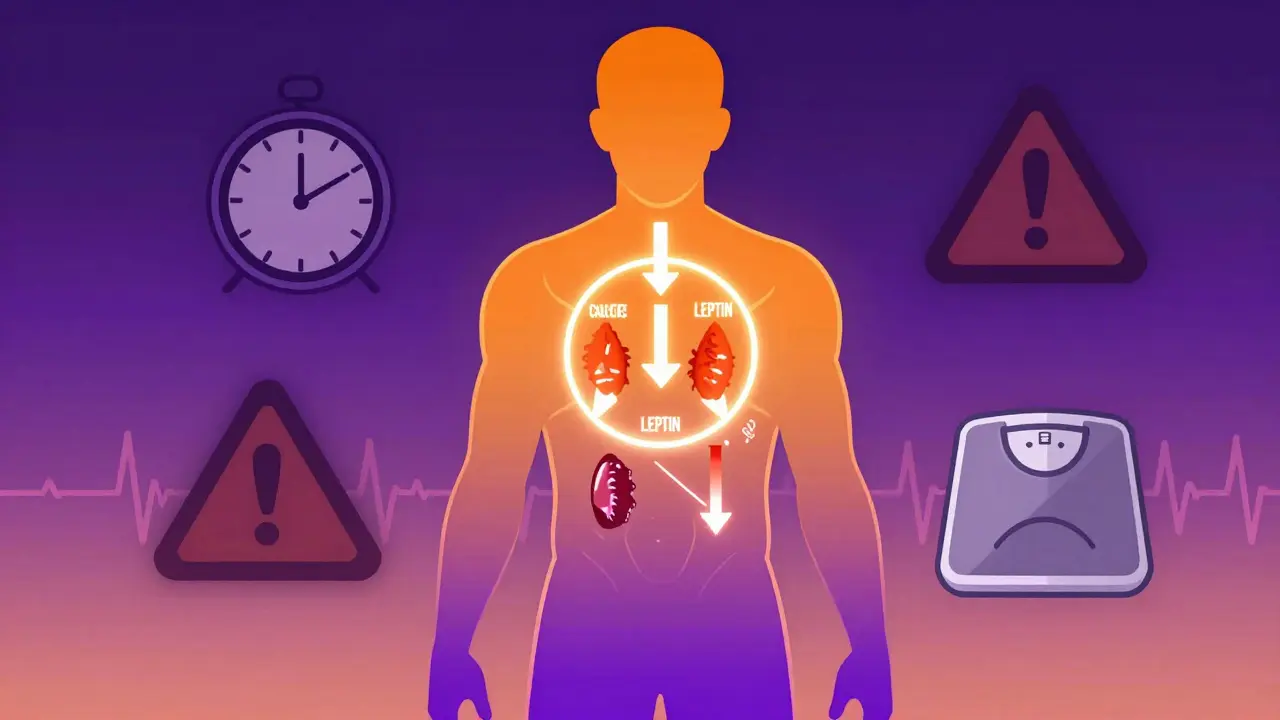
Learn how adaptive thermogenesis slows your metabolism after weight loss and why reverse dieting-slowly increasing calories-is the only proven way to rebuild it. Real science, real results.

Learn how adaptive thermogenesis slows your metabolism after weight loss and why reverse dieting-slowly increasing calories-is the only proven way to rebuild it. Real science, real results.
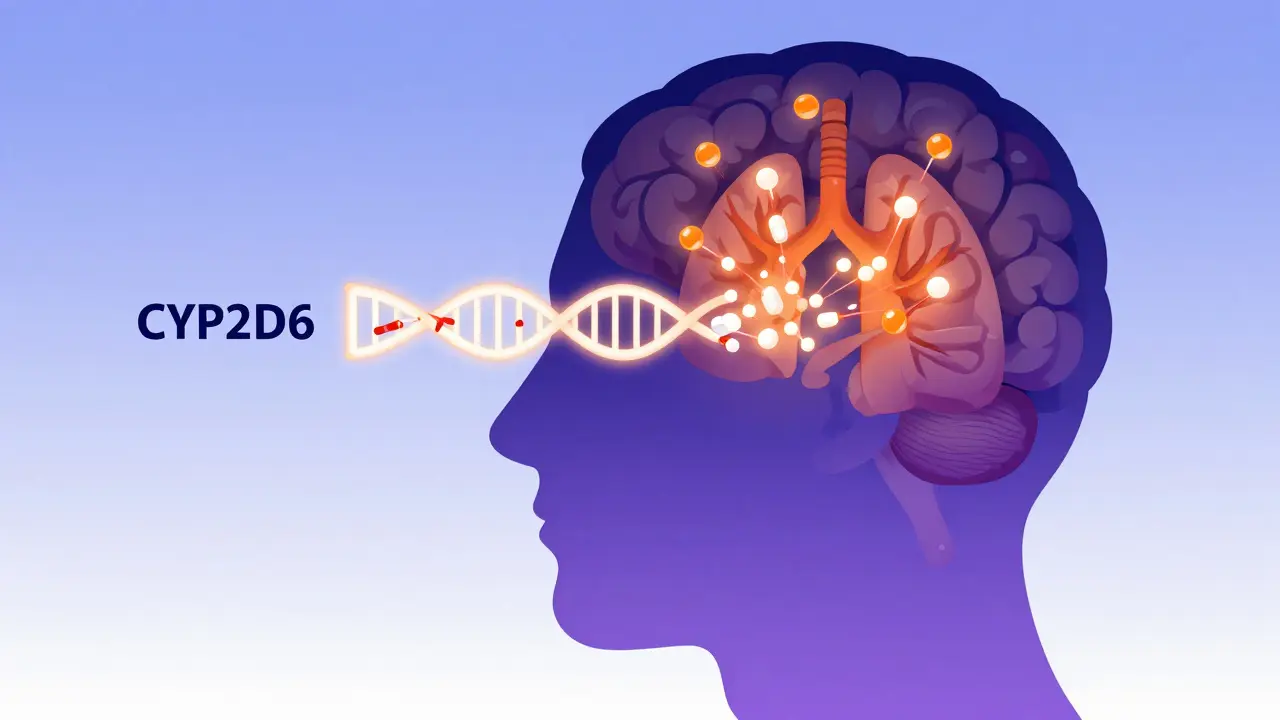
Codeine can be deadly for people with a genetic trait called CYP2D6 ultrarapid metabolism. Even standard doses can cause fatal overdose by turning too quickly into morphine. Learn who's at risk and what safer alternatives exist.
Prediabetes affects 96 million Americans, but most don’t know it. Learn the subtle warning signs and proven lifestyle changes that can reverse it before it turns into type 2 diabetes.

Learn the 8 essential steps for using a metered-dose inhaler correctly to ensure medication reaches your lungs. Fix common mistakes that reduce effectiveness and increase side effects like oral thrush.
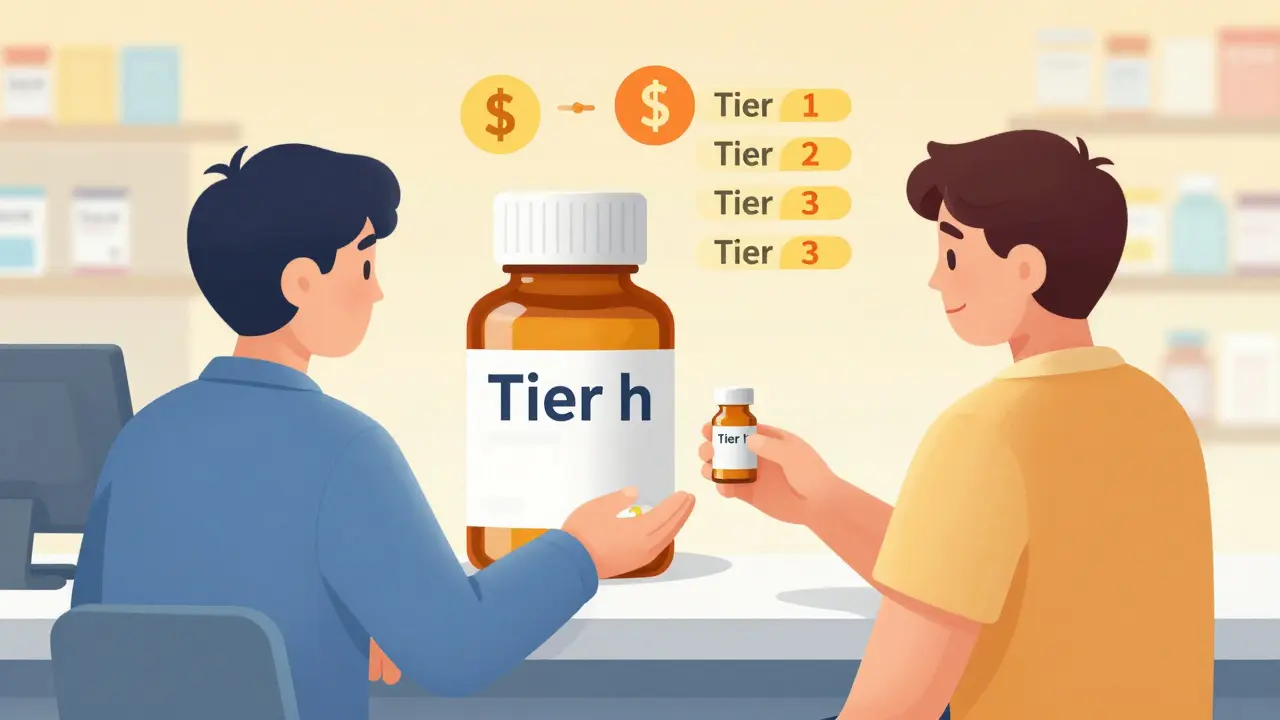
Learn how insurance formularies treat generic vs brand-name drugs, what you really pay, when substitutions happen, and how to fight for the right medication if generics don't work for you.
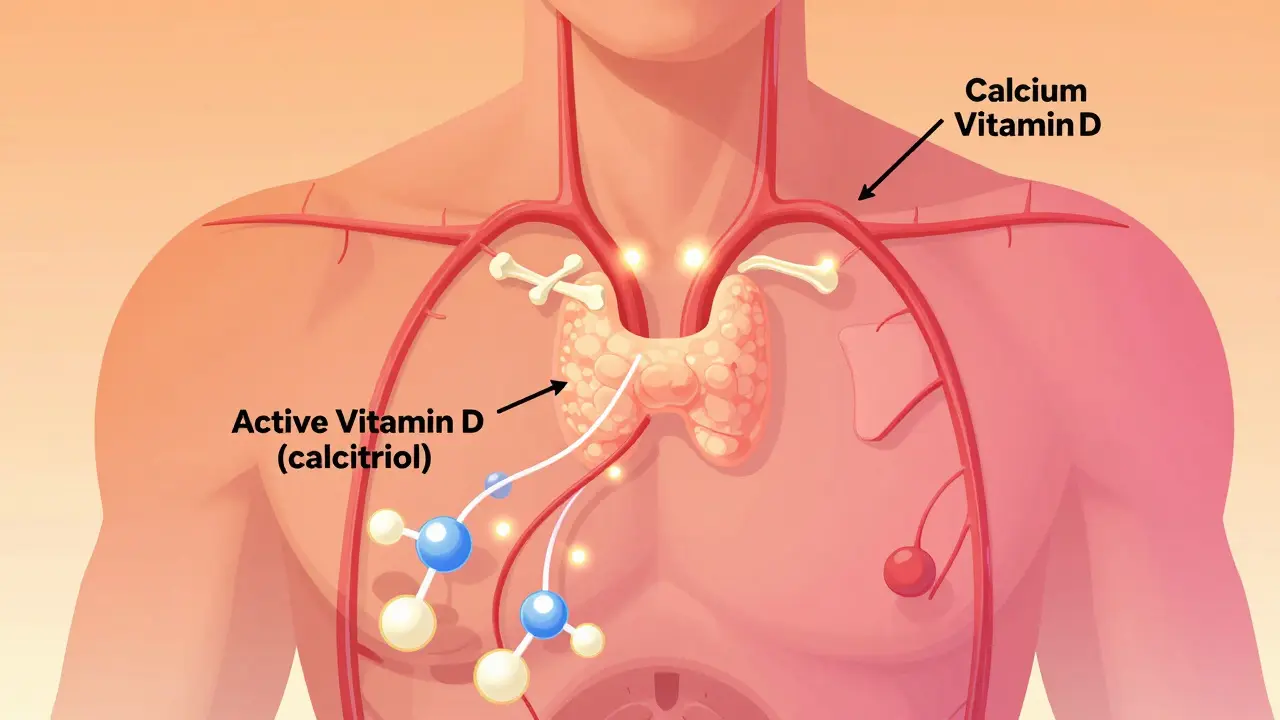
Learn how to manage hypoparathyroidism with calcium and vitamin D supplements, diet, and monitoring to prevent complications like kidney stones and nerve issues. Expert-backed dosing and real-life tips for long-term control.
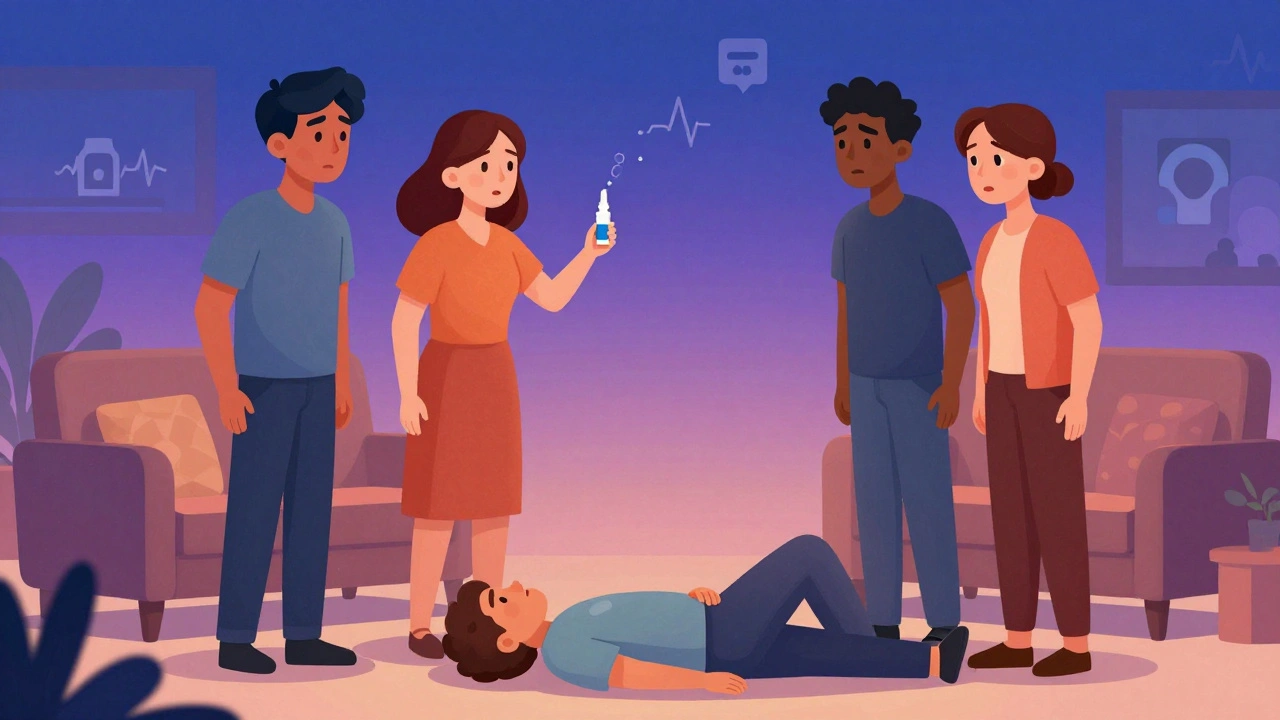
Naloxone can reverse opioid overdoses in minutes - if you know how to use it. Learn how to recognize signs of overdose, administer naloxone safely, store it properly, and why calling 911 is always necessary.

Medications don't just stay in the mother's body-they cross the placenta and can affect the developing fetus. Learn how drugs move through this complex barrier, which ones are most risky, and what's being done to improve safety.
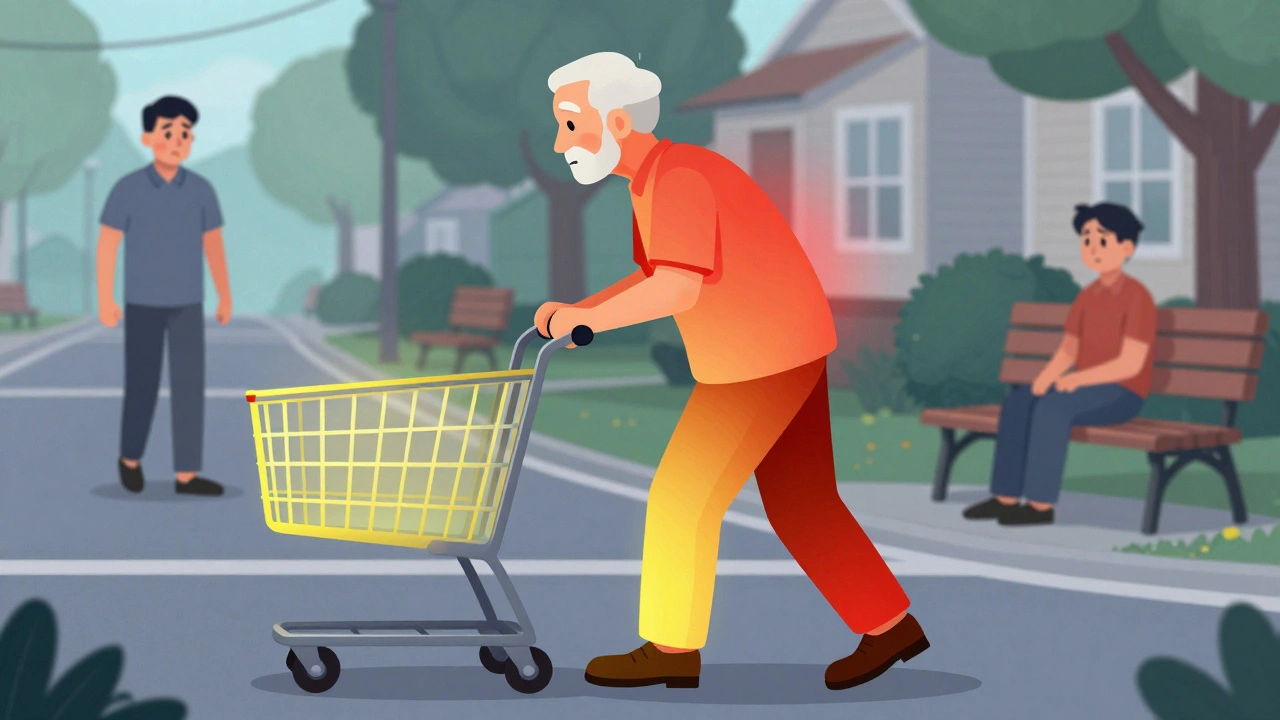
Neurogenic claudication is leg pain caused by spinal stenosis that worsens with walking and improves when bending forward. Learn how to recognize it, avoid misdiagnosis, and choose effective treatments-from exercise to surgery.
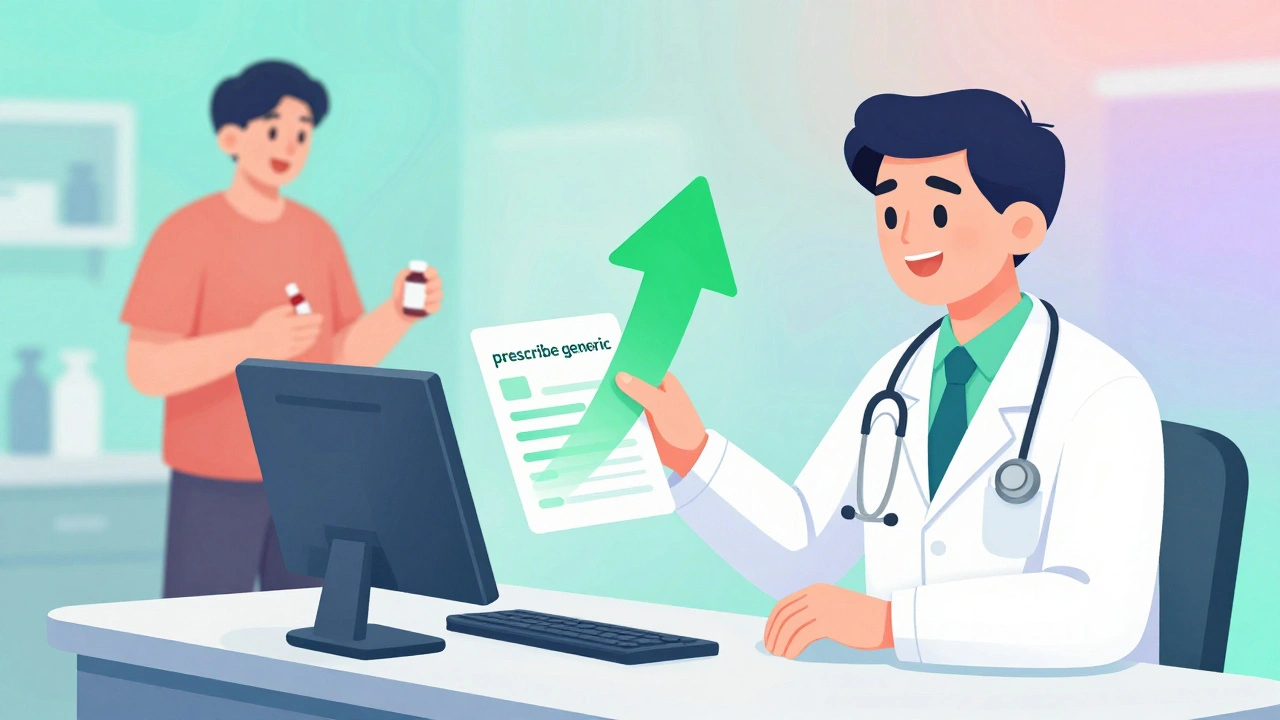
Generic prescribing incentives reward doctors for choosing lower-cost generic drugs, saving billions in healthcare spending. But how do these programs really work-and when do they risk compromising care?