
GLP-1 receptor agonists like Ozempic and Wegovy help lower A1C and promote significant weight loss by reducing appetite and slowing digestion. Learn how they work, how they compare to other drugs, and what to expect when using them.

GLP-1 receptor agonists like Ozempic and Wegovy help lower A1C and promote significant weight loss by reducing appetite and slowing digestion. Learn how they work, how they compare to other drugs, and what to expect when using them.
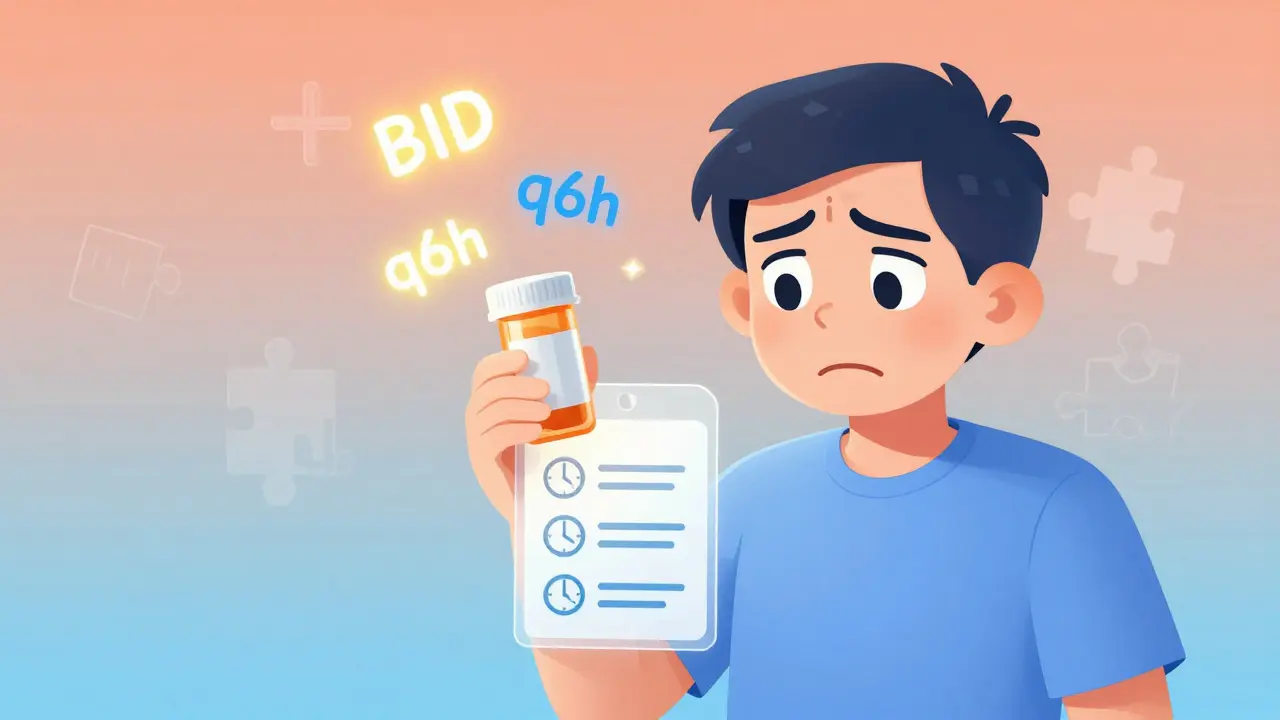
Many people misunderstand prescription labels, leading to dangerous dosing errors. Learn the most common mistakes, why they happen, and how to avoid them with simple, practical steps.
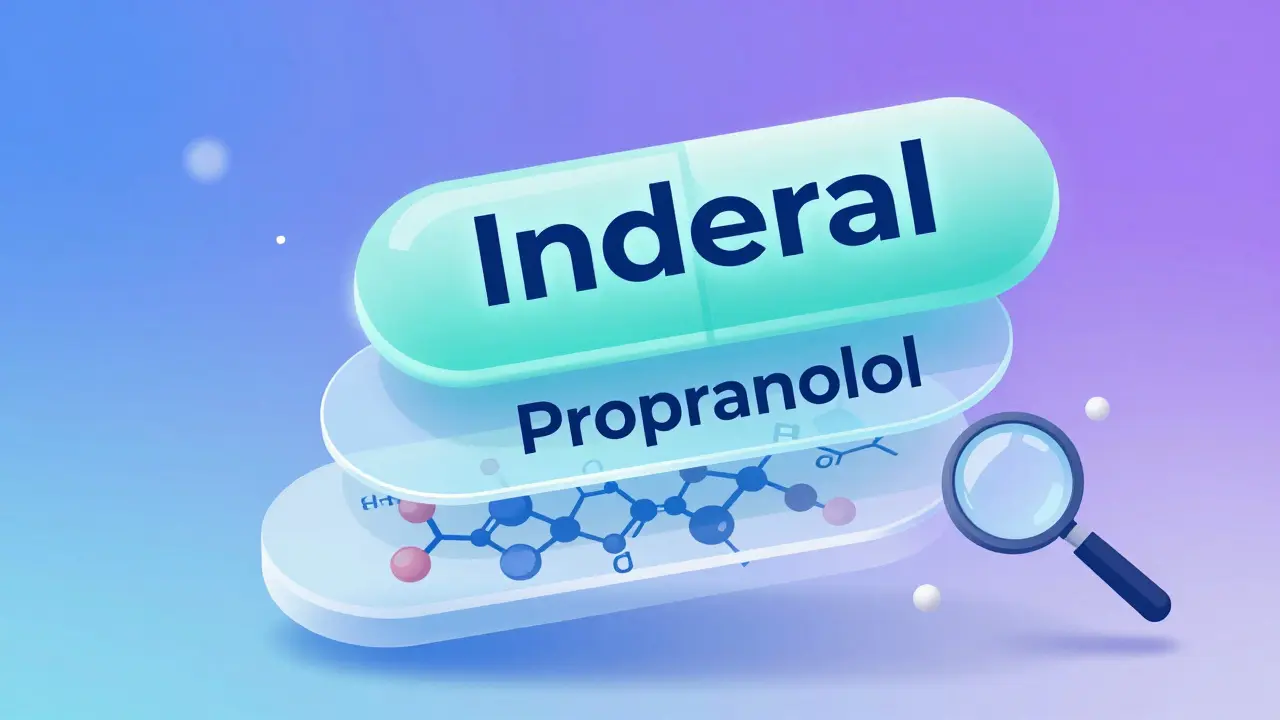
Learn how drugs get their chemical, generic, and brand names-and why this system prevents deadly medication errors. Understand the science behind the labels on your prescriptions.

Discover how generic drugs went from rare exceptions to 90% of U.S. prescriptions. Learn about the Hatch-Waxman Act, FDA reforms, and how generics saved over $3.7 trillion in healthcare costs.
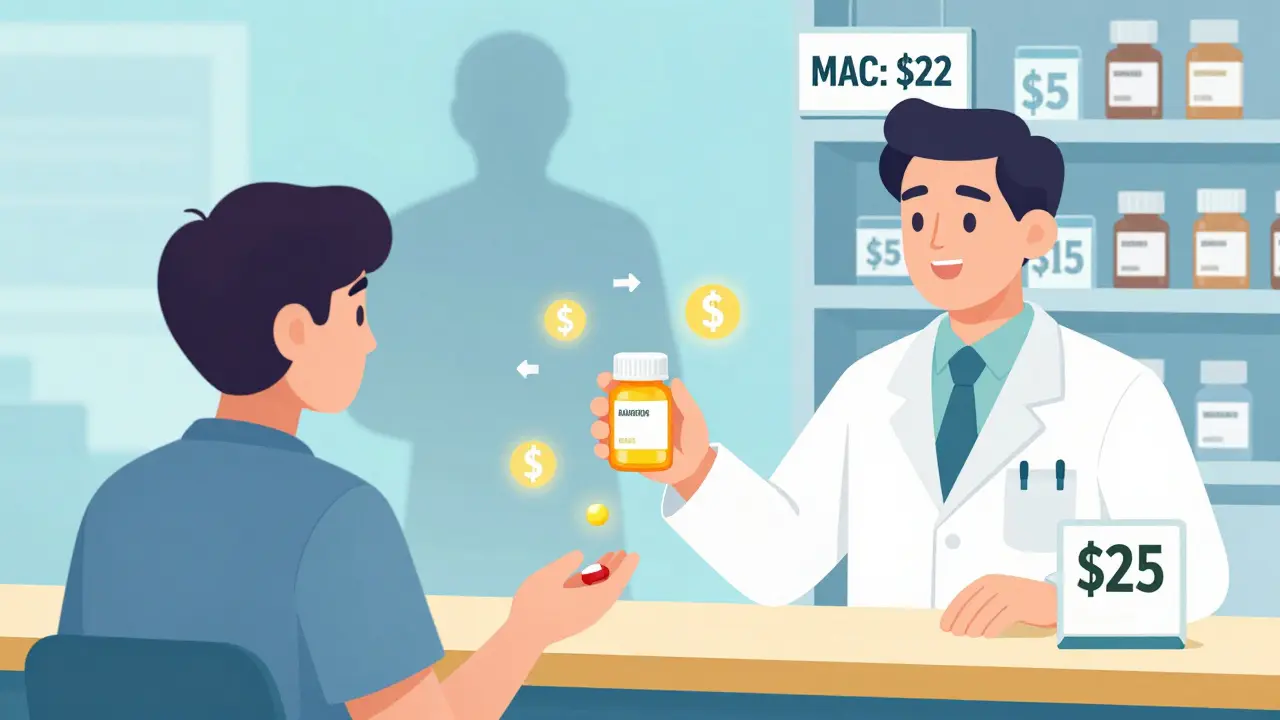
Generic substitution sounds like a cost-saver, but how pharmacies get paid can turn savings into hidden profits for PBMs. Learn how reimbursement models like MAC lists and spread pricing impact what you pay and why pharmacies are struggling.
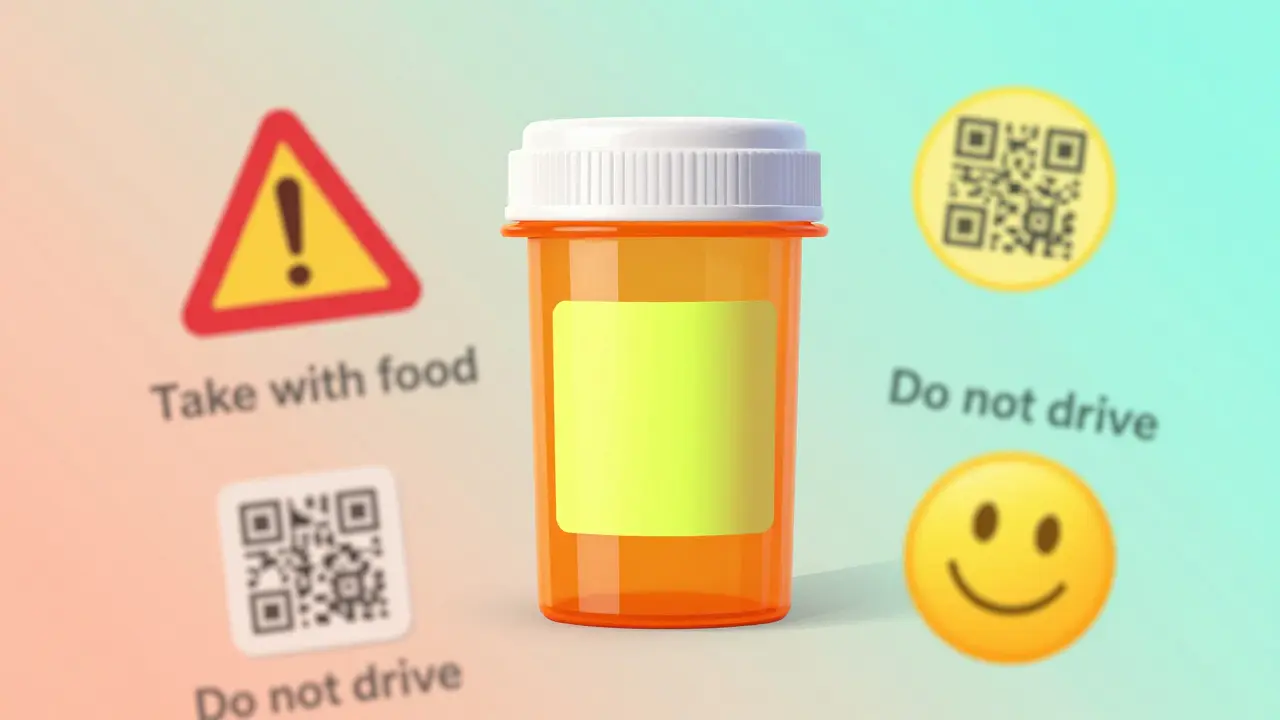
Learn how to read pharmacy labels and warning stickers to avoid dangerous medication errors. Understand FDA standards, state laws, and what’s changing in 2025 to keep you safe.
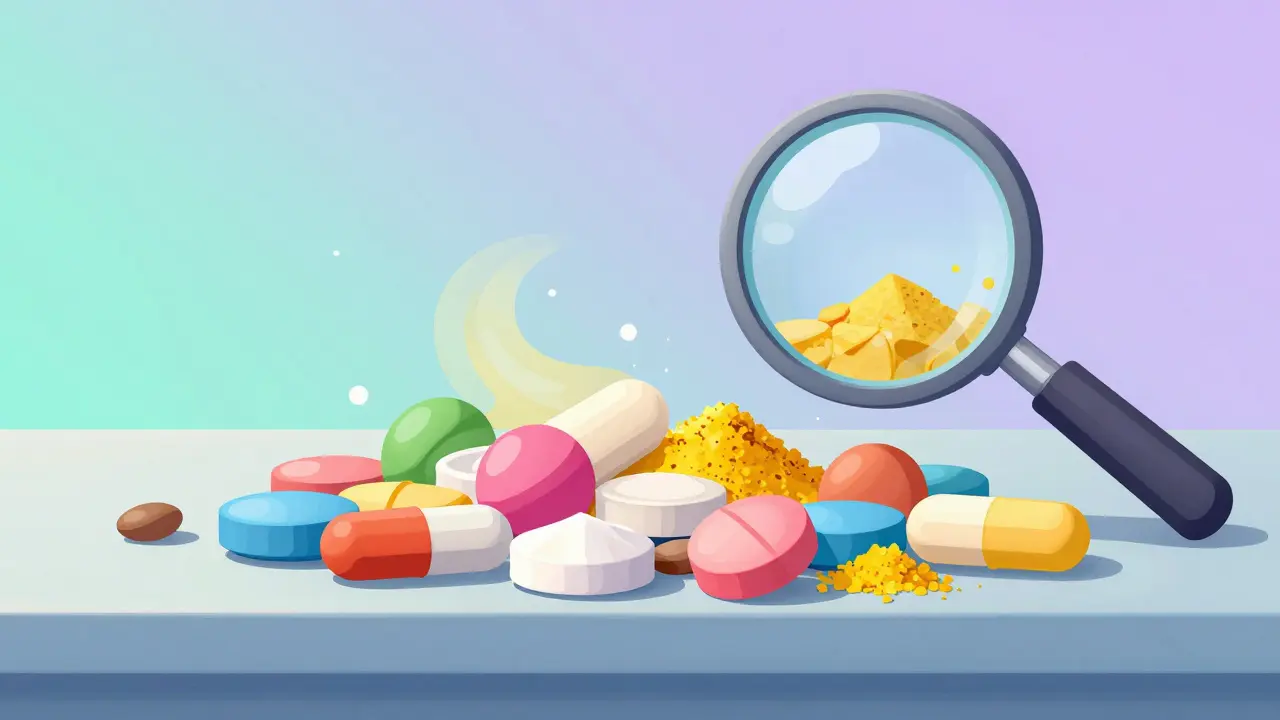
Inactive ingredients in generic medications can interact when taken together, causing side effects like stomach upset, rashes, or reduced drug effectiveness. Learn how to spot risky excipients and protect yourself.
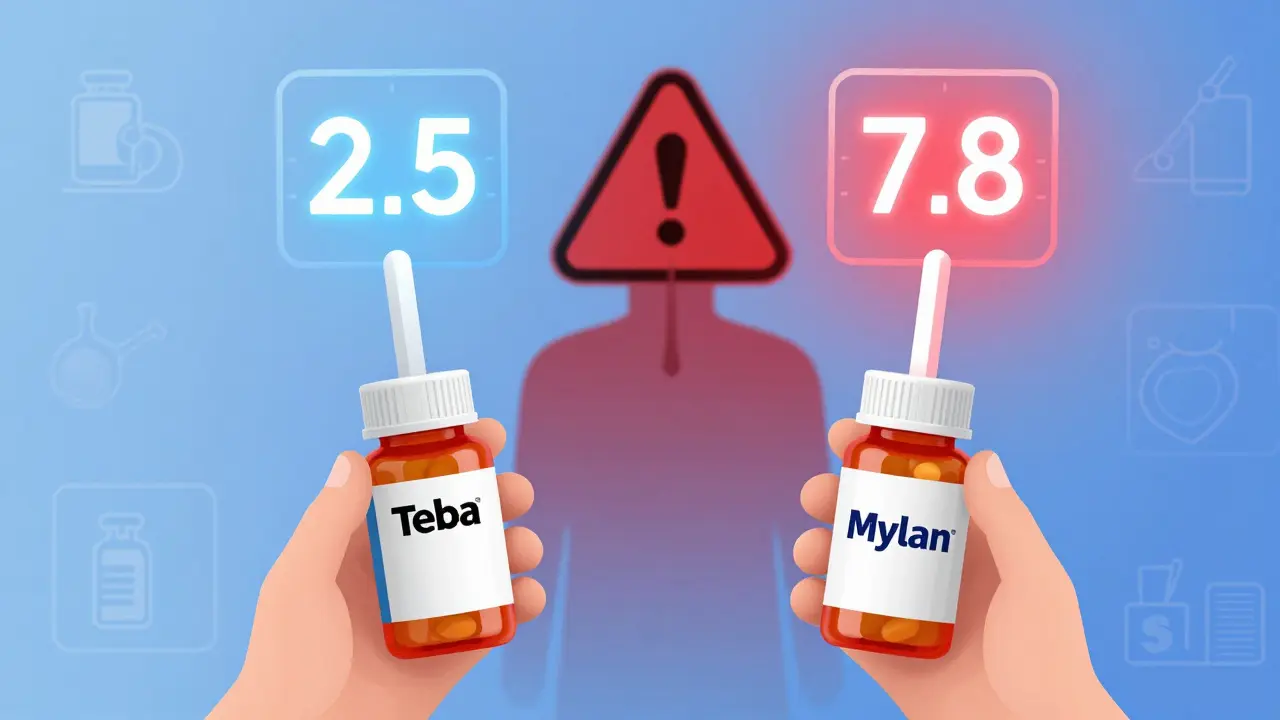
Switching warfarin generics can affect your INR and increase bleeding or clotting risks. Learn when and how to monitor safely, what causes instability, and why cost savings shouldn't compromise safety.
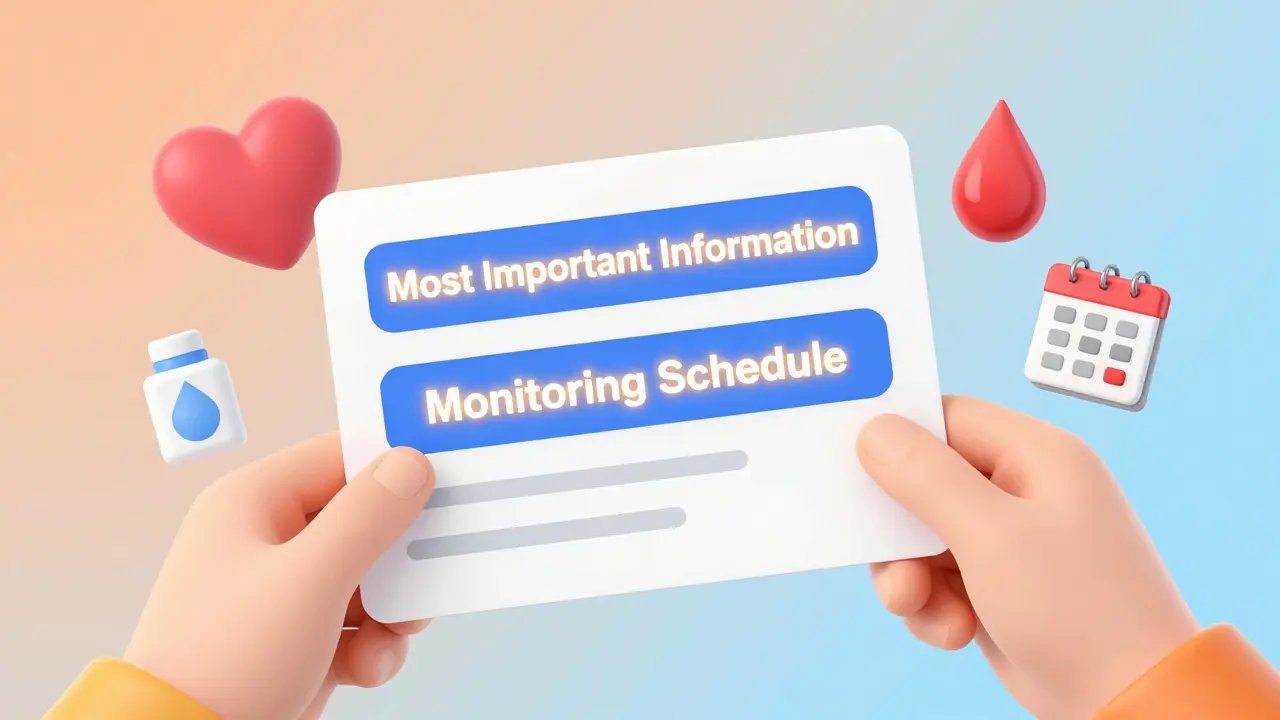
Learn how to read FDA-required Medication Guides to spot serious risks and monitoring requirements for your prescription drugs. Know what to look for, when to act, and how to stay safe.
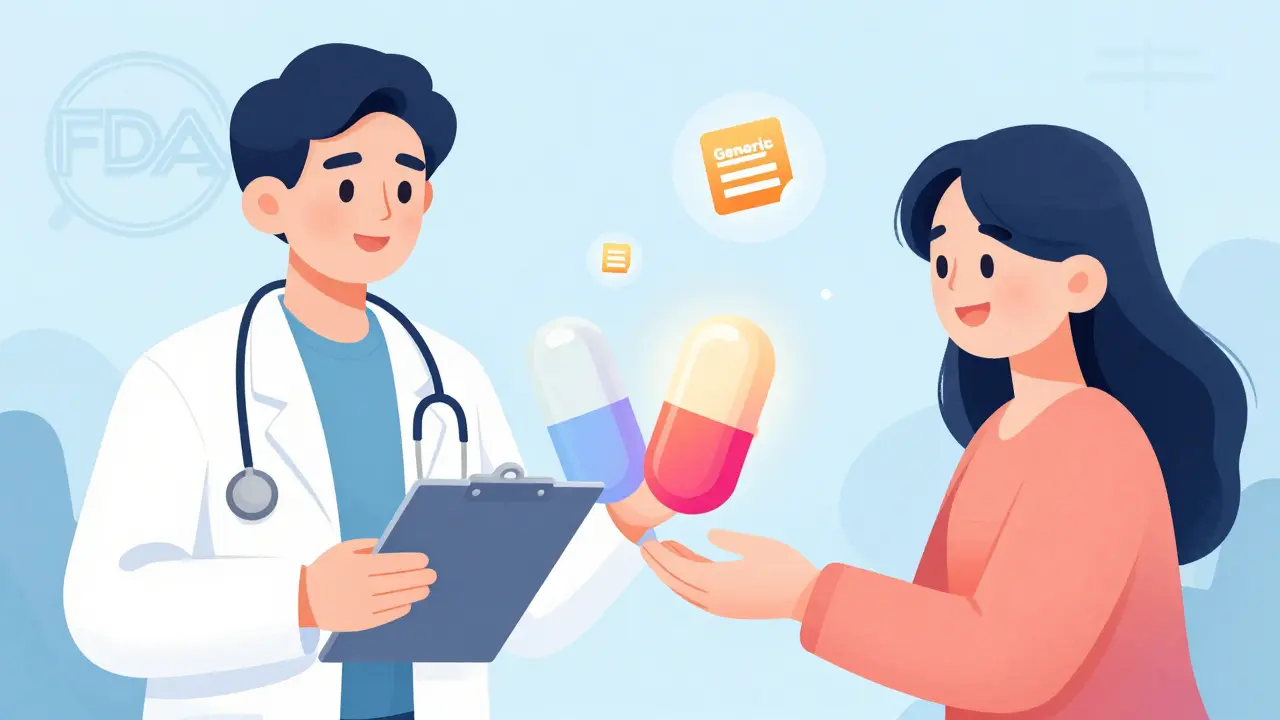
Provider education on generics improves clinician confidence, reduces patient costs, and boosts adherence. Learn how FDA standards, communication strategies, and EHR tools are closing the knowledge gap in generic prescribing.