
Pharmacy Reimbursement: How Generic Substitution Affects Pharmacies and Patients Financially
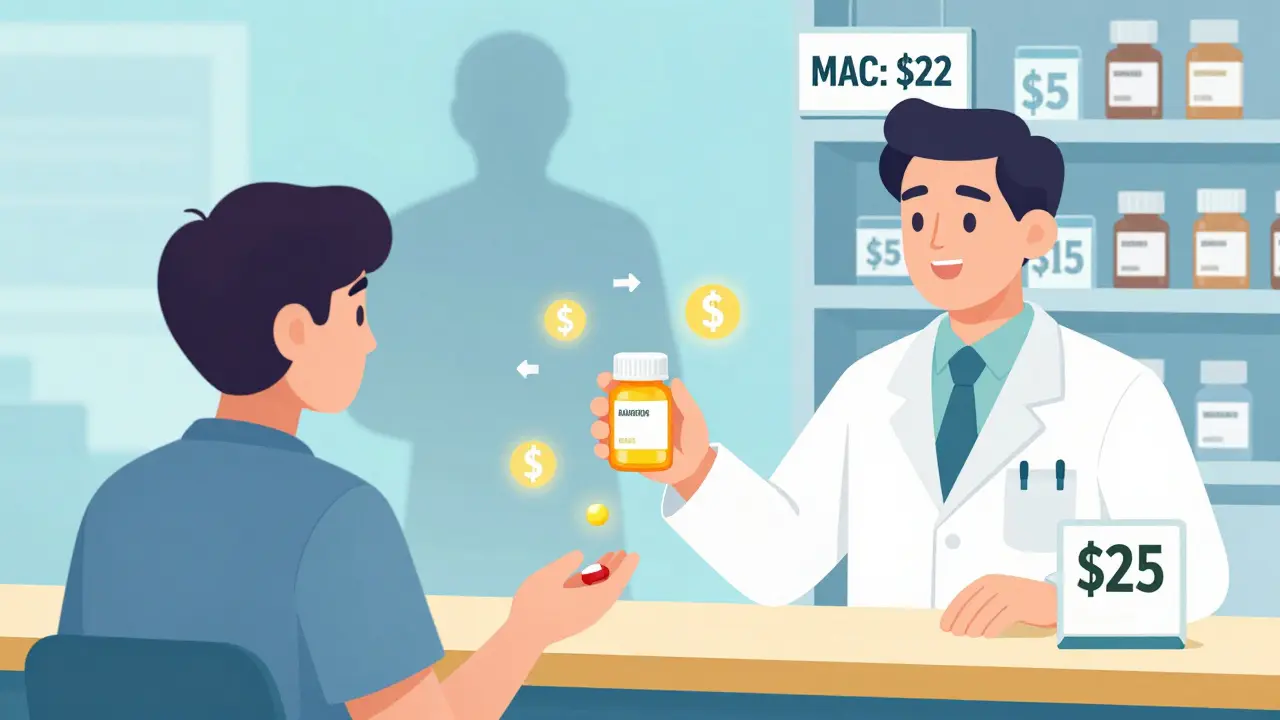
When a pharmacist hands you a bottle of generic pills instead of the brand-name version, it’s not just a simple swap. Behind that decision is a complex financial system that determines who makes money, who loses, and who ends up paying more - often without knowing it. Generic substitution sounds like a win: cheaper drugs, lower costs, better access. But the way pharmacies get paid for those generics can turn what should be a savings into a hidden cost for patients and a profit machine for middlemen.
How Pharmacies Get Paid for Generics
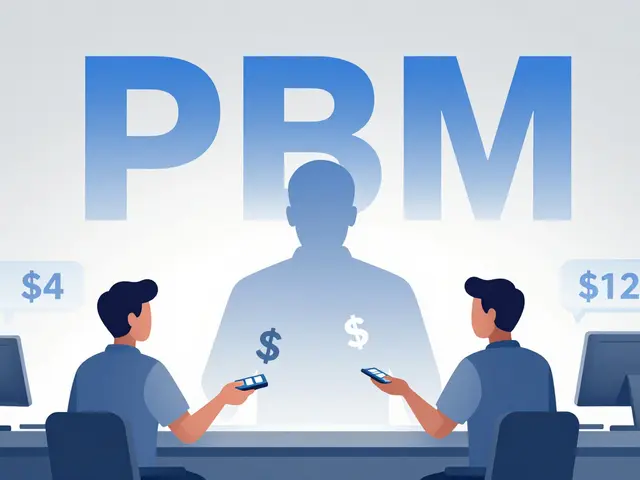
Pharmacies don’t just charge you what they paid for the drug. They get reimbursed by insurance companies or Pharmacy Benefit Managers (PBMs) using one of two main systems: cost-plus or Maximum Allowable Cost (MAC). Cost-plus means the pharmacy gets paid a fixed percentage over what they paid for the drug, plus a small dispensing fee. MAC is more complicated: it’s a list set by PBMs that says the maximum amount they’ll pay for a generic drug - no matter what the pharmacy actually paid.
Here’s the catch: MAC lists aren’t public. PBMs don’t tell pharmacies or patients how they set those prices. In some cases, the MAC for a generic drug is higher than what the pharmacy bought it for. That’s called spread pricing - the PBM pockets the difference. In other cases, the MAC is lower than the pharmacy’s cost. That means the pharmacy loses money on every prescription. Many independent pharmacies are barely breaking even, or worse, losing money on generics because of this.
Why Generic Substitution Isn’t Always Cheaper
You’d think switching from a brand-name drug to a generic would always cut costs. But that’s not always true. PBMs often place higher-priced generics on their formularies - not because they’re better, but because they make more money. A study found that some generics substituted for the same drug in a different dosage form cost 20 times more than their cheaper alternatives. That’s not a clinical decision. That’s a financial one.
Take a common blood pressure medication. There might be three generic versions: one costs $5, another $15, and a third $25. The cheapest one works just as well. But if the PBM’s MAC is set at $22, the pharmacy gets paid more for the $25 version - even though they only paid $18 for it. The PBM keeps the $7 spread. The patient pays the same copay regardless. So the patient doesn’t save anything, and the pharmacy might even lose money if the MAC is too low.
The Real Savings Are in Therapeutic Substitution
True cost savings don’t come from swapping one generic for another. They come from switching from a brand-name drug to a completely different generic drug in the same therapeutic class - what’s called therapeutic substitution. For example, switching from a brand-name statin to a cheaper generic statin from a different manufacturer can save up to 90% compared to the brand. But PBMs rarely incentivize this. Why? Because it’s harder to control pricing when you’re moving across drug classes. It’s easier to profit by keeping patients on a single drug family and jacking up the MAC for the most expensive version.
In 2007, the Congressional Budget Office estimated that switching just seven types of brand-name drugs to cheaper generic alternatives could have saved $4 billion in Medicare spending. But swapping generics for other generics? That saved less than $900 million. The biggest savings aren’t hidden in the pharmacy aisle - they’re hidden in the PBM contracts.
Pharmacies Are Getting Squeezed
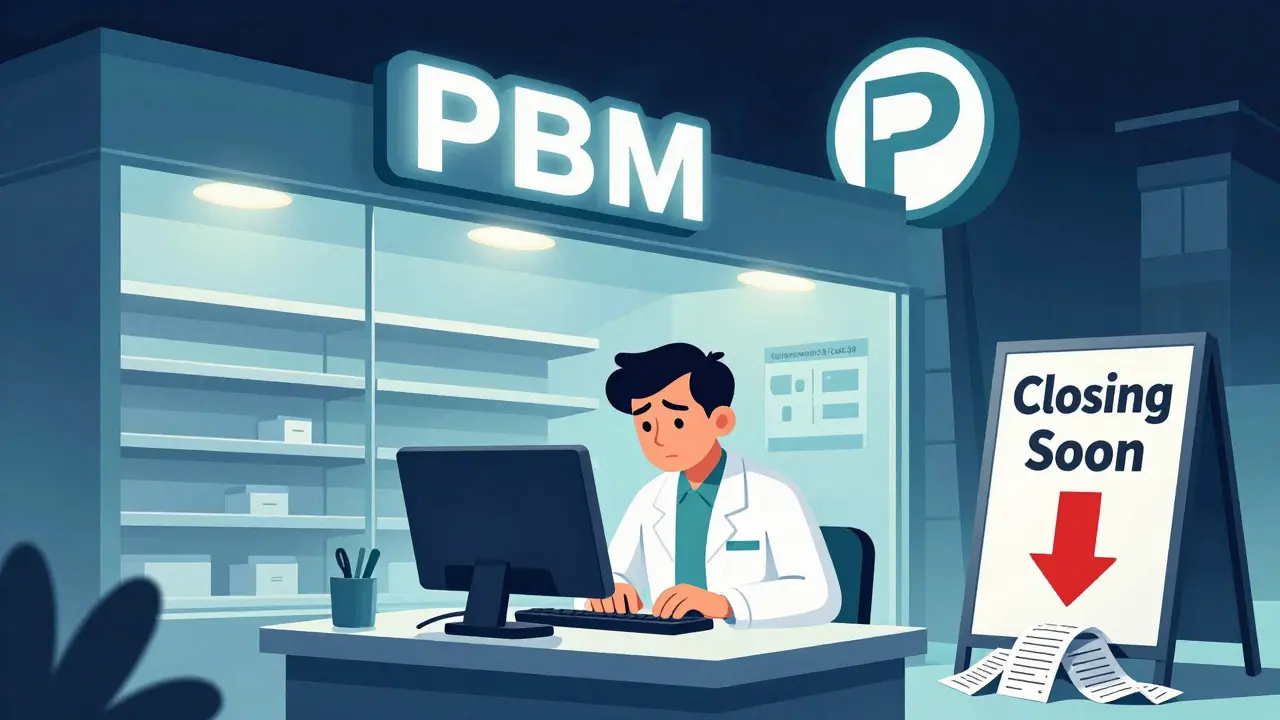
Independent pharmacies are disappearing. Over 3,000 closed between 2018 and 2022. Why? Because reimbursement rates are falling while operating costs keep rising. When a pharmacy buys a bottle of generic lisinopril for $8 but gets reimbursed $6, they lose $2 on every prescription. That’s not sustainable. Many pharmacies rely on brand-name drugs to stay afloat - but those pay out only 3.5% profit margin, compared to 42.7% for generics. The problem? They can’t make enough on generics if the reimbursement system is rigged against them.
And it’s not just independents. Even big chains are struggling. PBMs control about 80% of the prescription market through just three companies: CVS Caremark, Express Scripts, and OptumRx. They set the rules. Pharmacies have to accept them or lose access to millions of insured patients. That’s not a free market. It’s a monopoly with hidden fees.
What’s Changing? New Rules and Rising Pressure
There’s growing pressure to fix this. The Federal Trade Commission is investigating PBM spread pricing. The Inflation Reduction Act of 2022 forced Medicare Part D to disclose drug pricing, and that transparency could spread to commercial plans. Fifteen states now have Prescription Drug Affordability Boards that set Upper Payment Limits - essentially caps on how much insurers can pay for certain drugs. That pushes pharmacies toward the cheapest options.
But these fixes aren’t perfect. If a state caps reimbursement too low, pharmacies might stop stocking certain drugs altogether. Patients could face delays or have to drive farther to fill prescriptions. The goal is affordability, but if pharmacies can’t survive, access suffers.
What Patients Should Know
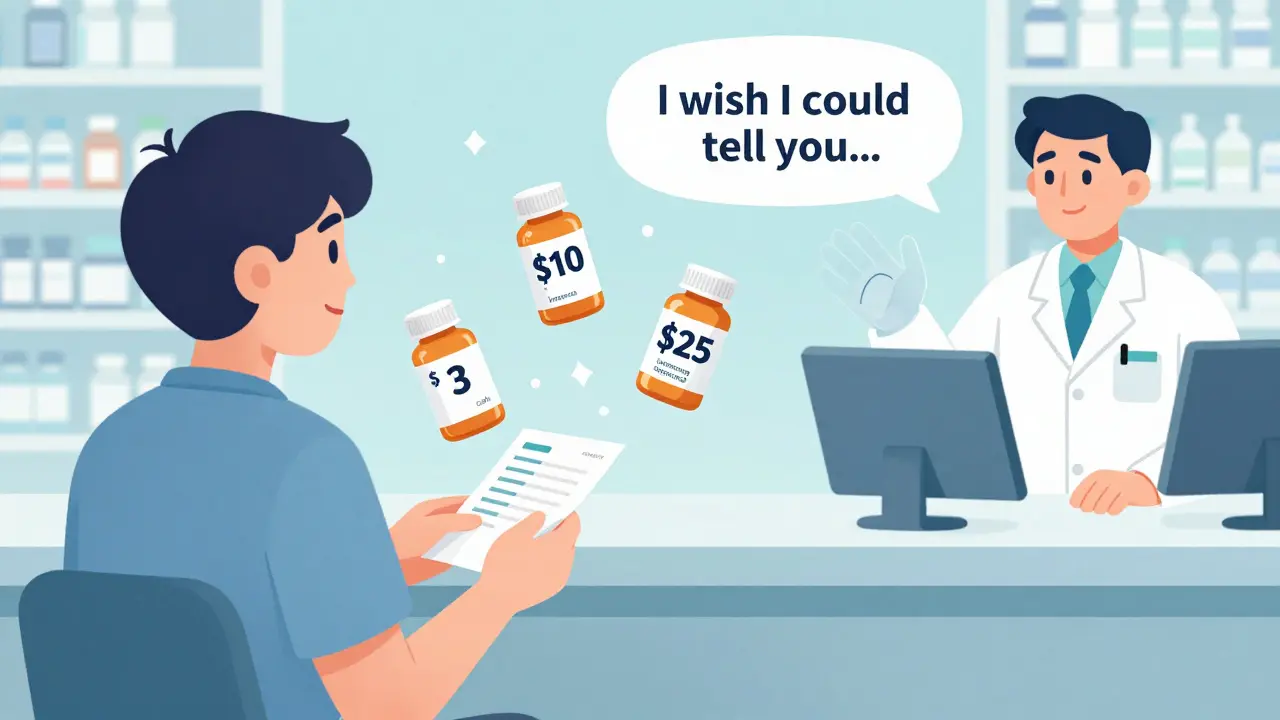
You’re not powerless. When you get a prescription, ask: Is this the cheapest generic available? Pharmacists know which versions cost less - even if the system doesn’t push them to tell you. Ask if a therapeutic alternative exists that’s even cheaper. Don’t assume the first option is the best one.
Also, check your copay. Sometimes, paying out-of-pocket for the cheapest generic is cheaper than using insurance. That’s because insurance reimbursement formulas can inflate the price you pay. A $5 generic might cost you $10 with insurance because of how the PBM structures the payment. But if you pay cash, you get it for $3.
The Bigger Picture: A System Built to Profit, Not Save
The pharmacy reimbursement system wasn’t designed to save money. It was designed to make money - for PBMs, not patients or pharmacies. Generic substitution was supposed to be a tool for affordability. Instead, it became a tool for profit extraction. The financial incentives are misaligned: pharmacies are punished for selling cheap drugs, PBMs are rewarded for hiding high prices, and patients are left confused and out of pocket.
True reform means transparency: public MAC lists, banned spread pricing, and reimbursement tied to actual acquisition cost - not arbitrary formulas. Until then, the savings from generic drugs will keep slipping through the cracks - into the pockets of middlemen, not into your wallet.
about author

Chris Kauwe
The MAC system is a textbook case of regulatory capture disguised as market efficiency. PBMs operate as quasi-monopolistic intermediaries with zero transparency-this isn't capitalism, it's feudalism with a pharmacy counter. The fact that reimbursement is decoupled from actual acquisition cost is a structural flaw engineered to extract rent. We're not talking about minor inefficiencies; we're talking about a legalized extraction mechanism where the middleman profits from the asymmetry of information. And yet, Congress keeps giving them more power because they lobby harder than the pharmacists. The real tragedy? Patients think they're saving money when they're just being quietly fleeced through opaque pricing layers.
It's not about generics being bad-it's about the system weaponizing them to enrich shareholders while crushing independent providers. The solution isn't more regulation-it's dismantling the PBM oligopoly and restoring price discovery. Let pharmacies negotiate directly with manufacturers. Let patients see the true cost. Let competition, not collusion, determine value.
This isn't healthcare. It's a financial instrument masquerading as medicine.
Meghan Hammack
I just want to say-thank you for writing this. I’m a single mom who fills prescriptions every month, and I had NO IDEA this was happening. I thought I was saving money by picking generics… but last month I paid $12 for a pill that costs $4 if I pay cash. I cried in the pharmacy aisle. Please, if you’re reading this-ask your pharmacist: ‘Is there a cheaper version?’ They know. They’re just not allowed to tell you unless you ask. You’re not crazy for feeling ripped off. You’re not overreacting. This system is broken. And you’re not alone.
RAJAT KD
Pharmacies are caught in a structural trap. The PBM model incentivizes them to dispense higher-cost generics even when cheaper alternatives exist, because reimbursement is tied to MAC, not cost. This creates perverse outcomes: pharmacies lose money on low-cost generics, profit marginally on high-cost ones, and are punished for advocating true cost savings. The system is designed to maximize PBM profit, not patient welfare. Transparency in MAC pricing and elimination of spread pricing are non-negotiable. Without these, pharmacy sustainability is impossible.
Matthew Maxwell
It is both intellectually dishonest and morally indefensible to claim that generic substitution is a cost-saving measure when the financial architecture of the system actively subverts that goal. The fact that patients are unaware of this manipulation speaks to a catastrophic failure of both regulatory oversight and public education. One cannot reasonably expect consumers to navigate a labyrinth of opaque pricing structures when the very entities entrusted with their care are profiting from their ignorance. This is not a market failure-it is a moral failure. The only ethical response is full transparency, mandatory disclosure of acquisition costs, and the immediate abolition of spread pricing. Anything less is complicity in systemic exploitation.
Pooja Kumari
Okay, so I just spent 45 minutes reading this and I’m crying again. I work at a small pharmacy in rural Ohio, and we lost $12,000 last year just on lisinopril because the MAC was $5.80 and we paid $7.20. My boss cried in the back room last week. We had to lay off two people. And the worst part? The patients don’t even know. They just see their copay is $10 and think, ‘Oh, that’s fair.’ But they don’t know we’re losing money on every single one. And when we try to tell them about the $3 cash price? The PBM tells us we can’t say anything. We’re stuck. We’re trapped. We love our jobs. We love helping people. But this system is killing us. And nobody cares. Not really. Not until it’s too late. I just needed to say it out loud. Thank you for seeing us.
Angela Stanton
Let’s break this down with some real data 📊
MAC pricing = opaque. Spread pricing = illegal in Medicare, legal in commercial. PBMs make 30-40% profit margins on generics vs. 5% for pharmacies. The top 3 PBMs control 80% of the market → oligopoly = price suppression + anti-competitive behavior. Therapeutic substitution saves 90%? Yes. But PBMs don’t incentivize it because it’s harder to control. The FTC investigation? Long overdue. But unless we force public MAC lists and ban spread pricing, this is just performative outrage. 💸
Pro tip: Pay cash for generics. Always. Insurance reimbursement formulas are designed to inflate your out-of-pocket cost. Your pharmacy knows this. They just can’t tell you unless you ask. #PharmacyReform #PBMScam
Drew Pearlman
I’ve been a pharmacist for 18 years, and I’ve watched this system turn from a tool for access into a machine for extraction. I used to feel proud handing out a $3 generic. Now I feel guilty. Because I know the pharmacy’s losing money, the patient thinks they’re saving, and the PBM is laughing all the way to the bank. But here’s the thing-change is possible. I’ve seen it. When states implement Upper Payment Limits, pharmacies survive. When patients ask for the cheapest option, we can help. It’s not about blaming pharmacists. It’s about fixing the incentives. We’re not the villains. We’re the last line of defense for people who don’t know they’re being played. Let’s not give up. Let’s demand transparency. Let’s make this right-for the patients, for the pharmacies, for the people who just want to get better without going broke.
Ian Long
Chris, you nailed it. But let’s not forget the human cost. My aunt had to choose between her blood pressure med and her insulin last winter because her copay jumped to $18 after her PBM changed the MAC. She took half doses. She ended up in the ER. This isn’t policy. It’s life or death. The system doesn’t care about outcomes-it cares about spreads. We need to stop treating healthcare like a spreadsheet and start treating it like a human right. PBMs don’t heal people. Pharmacists do. Let’s put the power back where it belongs.