
Inactive Ingredient Interactions in Generic Medications: What You Need to Know
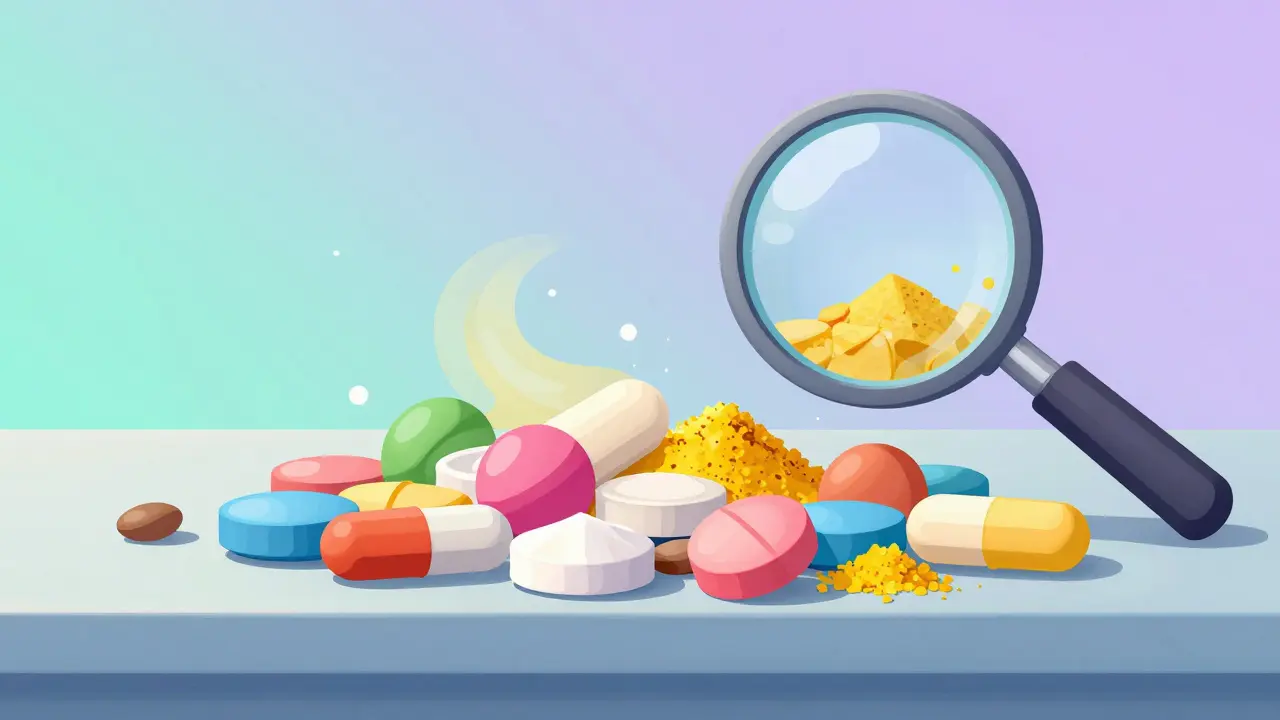
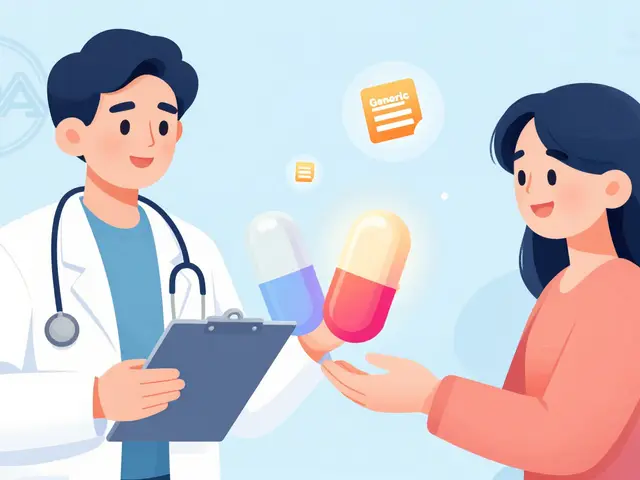
Most people assume that if two pills have the same active ingredient, they work the same way. But what if the problem isn’t the drug itself - it’s what’s around the drug? Inactive ingredients, or excipients, are the fillers, dyes, preservatives, and binders that make pills hold their shape, taste better, or last longer. They’re not supposed to do anything medically. But when you take multiple generic medications at once, these harmless-seeming additives can stack up - and sometimes cause real harm.
Why Inactive Ingredients Matter More Than You Think
Over 90% of prescriptions in the U.S. are filled with generic drugs. That’s great for cost savings - generics are 80-85% cheaper than brand-name versions. But here’s the catch: each generic manufacturer picks its own mix of inactive ingredients. Two pills with the same active ingredient - say, lisinopril for high blood pressure - can have completely different fillers, coatings, or colorants. One might use lactose. Another might use corn starch. A third might use tartrazine dye. And if you’re taking five different generics, you could be swallowing multiple sources of the same problematic ingredient.
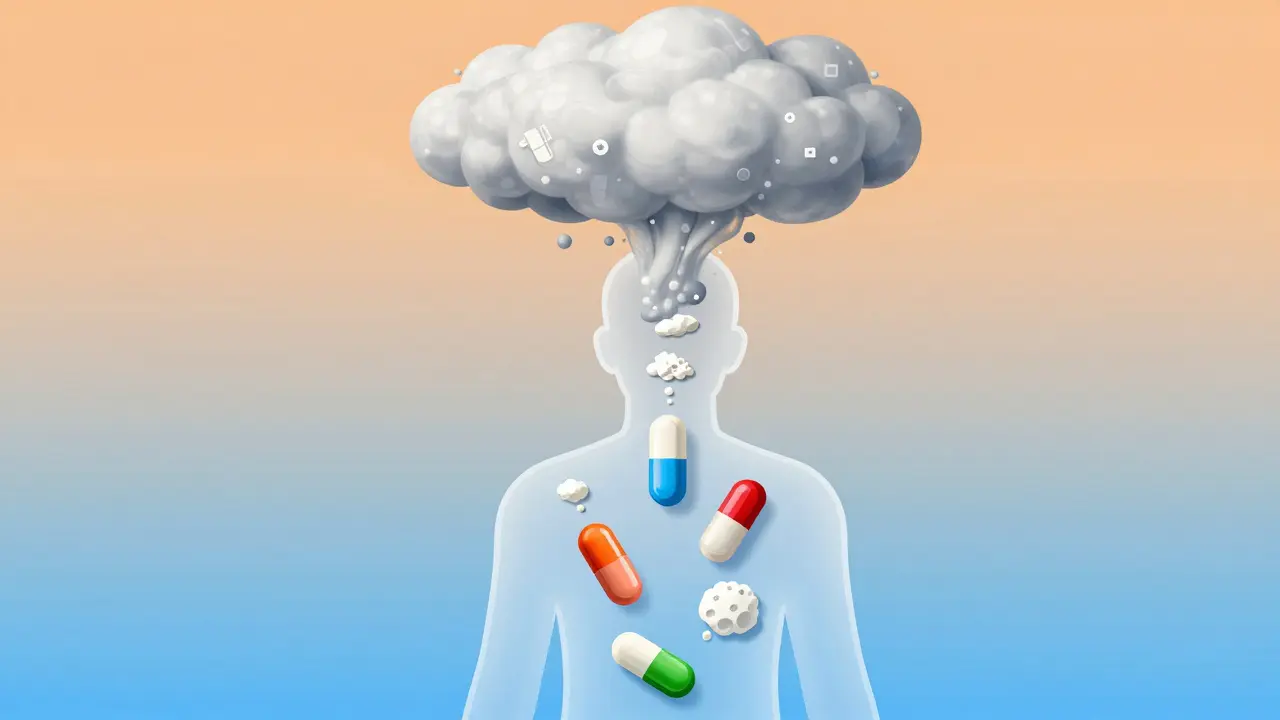
A 2020 study found that someone taking 10 prescriptions daily ingests an average of 2.8 grams of inactive ingredients every day. That’s over half a teaspoon of non-medical chemicals - not from supplements or food, but from your pills. For most people, this isn’t an issue. But for those with sensitivities, allergies, or digestive disorders, it’s a ticking time bomb.
Common Problematic Excipients and Who’s at Risk
Not all inactive ingredients are equal. Some are harmless to nearly everyone. Others trigger reactions in specific groups:
- Lactose - Found in nearly 20% of oral medications. About 65% of the global population has some degree of lactose intolerance. Even small amounts - 50-100 mg per pill - can cause bloating, diarrhea, or cramps in sensitive people. Taking three lactose-containing generics a day? That’s 150-300 mg. For some, that’s enough to trigger symptoms.
- Propylene glycol - Used in 46% of liquid medications. Can cause skin rashes, headaches, or even kidney issues in high doses, especially in infants or people with liver or kidney disease.
- Tartrazine (Yellow No. 5) - A common dye linked to allergic reactions in about 4% of people. Symptoms include hives, swelling, and asthma flare-ups.
- Bisulfites - Preservatives found in some injectables and inhalers. Trigger bronchospasm in 5-10% of asthmatics. Often hidden under names like “sodium bisulfite” or “potassium bisulfite.”
- FD&C dyes and gluten - Gluten is rarely used, but some fillers like wheat starch can contain trace amounts. For celiac patients, even microdoses matter.
These aren’t rare edge cases. The FDA’s Inactive Ingredient Database lists 27 different formulations for generic levothyroxine - all with the same active ingredient, but wildly different excipients. One version might use lactose and titanium dioxide. Another uses corn starch and magnesium stearate. Switching between them without checking the ingredients? You might think you’re getting the same drug. But your body might be reacting to something new.
When the Same Ingredient in Multiple Pills Adds Up
Here’s where things get dangerous: cumulative exposure. You might tolerate one generic pill with lactose. But when you add a second, then a third - each with 75 mg of lactose - you’re hitting 225 mg a day. For someone with severe intolerance, that’s above their threshold.
One Reddit user, u/MedSafetyWatcher, described how they developed severe stomach pain after being prescribed three different generic medications: a blood pressure pill, a cholesterol drug, and a thyroid med. All three contained lactose. They’d taken each one individually before without issue. But together? Their gut couldn’t handle the total load. Their pharmacist later confirmed it: all three had lactose listed in the inactive ingredients.
This isn’t just anecdotal. A 2022 survey by the National Community Pharmacists Association found that 23% of pharmacists see at least one patient per month with suspected excipient-related reactions. The FDA’s Adverse Event Reporting System shows similar patterns: 47% of reports linked to generic combinations mention “unexpected gastrointestinal distress,” 29% cite unexplained skin reactions, and 18% describe reduced drug effectiveness - possibly because excipients changed how the drug was absorbed.
Brand vs. Generic: The Hidden Difference
Brand-name drugs usually stick with the same excipients across batches. Generics? Not so much. Manufacturers change fillers to cut costs or improve stability. That’s legal - the FDA only requires generics to match the active ingredient’s absorption rate within 80-125%. They don’t have to match the excipients at all.
Studies show this matters. One 2022 analysis found that switching between generic versions of an antiepileptic drug caused a 15-20% drop in peak blood concentration - enough to trigger seizures in some patients. Another case involved digoxin, a heart medication with a narrow therapeutic window. Patients switched to a different generic version and experienced toxicity or underdosing - not because the active ingredient changed, but because the excipients altered how quickly it was absorbed.
The European Medicines Agency (EMA) acknowledges this. They require manufacturers to justify using excipients that affect more than 0.1% of the population. The U.S. FDA doesn’t. That’s why patients in Europe often get more consistent formulations - and why U.S. patients switching between generics might face unexpected side effects.
How to Protect Yourself
You don’t need to avoid generics. But you do need to be smart about them. Here’s how:
- Know your triggers. If you’re lactose intolerant, allergic to dyes, or have asthma, write down your sensitivities. Keep this list handy.
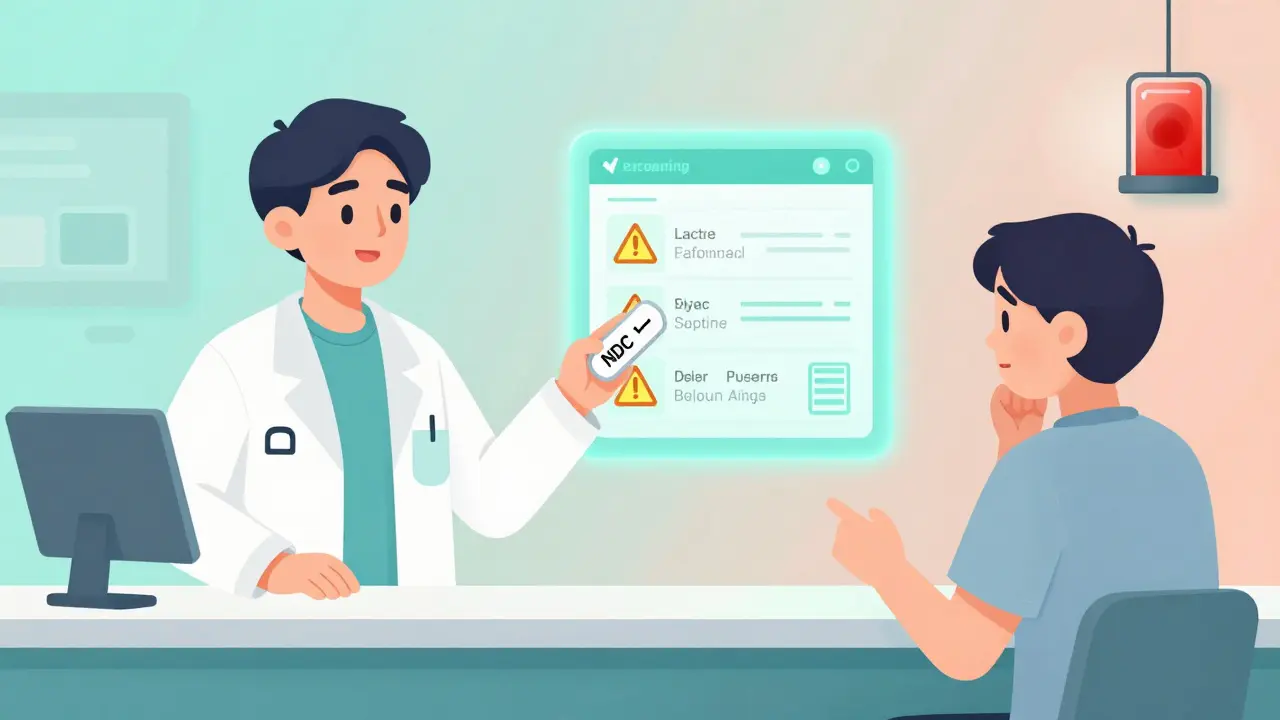
- Check every prescription. Look at the medication guide or package insert. If it doesn’t list inactive ingredients, call the pharmacy. They can pull up the manufacturer’s full ingredient list.
- Use DailyMed or the FDA’s Inactive Ingredient Database. Type in the NDC code (found on the bottle) or drug name. You’ll see all approved versions and their exact excipients.
- Ask your pharmacist to compare all your meds. Pharmacists can run a “cumulative excipient exposure” check. They’ll add up your daily intake of lactose, dyes, or propylene glycol across all your pills and flag if you’re near a known risk threshold.
- Stick with the same manufacturer. If a generic works for you, ask your pharmacist to fill future prescriptions with the same brand. Even if it’s more expensive, consistency can prevent hidden reactions.
One 2021 study in the American Journal of Health-System Pharmacy found that 78% of patients who switched to a compatible generic version after identifying an excipient issue saw their symptoms disappear.
What’s Changing in 2025 and Beyond
Regulators are starting to pay attention. In January 2024, the FDA launched the Inactive Ingredient Transparency Initiative, requiring all manufacturers to include full excipient lists in digital drug labels by December 2025. That means your pharmacy app, your EHR, and your pill bottle will all show the same detailed list - no more guessing.
AI tools are catching up too. MedCheck AI, released in late 2023, scans your prescription list and flags potential excipient overlaps with 89.7% accuracy. Hospitals and big pharmacy chains are already adopting it. Smaller pharmacies? Not so much - only 38% have any formal excipient awareness system.
By 2026, the European Commission plans to require risk assessments for combinations of drugs with common high-risk excipients. The U.S. may follow. But until then, the responsibility falls on you and your pharmacist.
Bottom Line: Don’t Assume All Generics Are the Same
Generics save money. That’s a good thing. But they’re not identical twins - they’re more like cousins who look similar but have different allergies. If you’re on multiple medications, especially for chronic conditions, take a minute to look beyond the active ingredient. Ask your pharmacist: “Do any of these pills contain lactose, dyes, or propylene glycol?” Run a quick check on DailyMed. Keep a record. Your body might thank you.
It’s not about fear. It’s about awareness. The right generic, with the right excipients, can work perfectly. The wrong mix? It can cause real, avoidable problems. You have the power to choose - if you know where to look.
about author

Related Posts
Shanna Sung
They're hiding this on purpose. The FDA and Big Pharma know lactose and tartrazine are destroying people's guts and triggering autoimmune flares, but they won't change it because generics make them billions. You think this is about safety? No. It's about control. You're being dosed with poison every day and told to be grateful.
Clint Moser
The pharmacokinetic variability across generic excipients is non-trivial-especially with PEGylated carriers and crystalline polymorphs in binders. I've seen case reports where HPMC vs. MCC altered Cmax by 32% in statins. FDA’s 80-125% AUC window is a joke when you're on 7 meds. The real issue is lack of pharmacogenomic excipient mapping.
Ashley Viñas
I love how this post breaks it down so clearly. Seriously, if you're on multiple meds, please, please, please talk to your pharmacist. I used to think 'it's just a filler' until my migraines stopped after switching away from Yellow No. 5. It's not paranoia-it's self-care. And yes, your pharmacist has time for this. They're not just pill dispensers.
Brendan F. Cochran
America's got the best generics in the world. If you can't handle a little lactose or dye, maybe you're just weak. Other countries are falling apart because they over-regulate. We keep costs low so real Americans can afford their meds. Stop whining and take your pills like a grown-up.
Jason Stafford
This is all part of the Great Medication Switch. The government and pharma are using excipients to subtly alter brain chemistry in chronic patients. Lactose? It's a carrier for microchips. Tartrazine? It's a neurotoxin disguised as color. They don't want you to be healthy-they want you dependent. The 2025 transparency initiative? A distraction. They're already moving to nano-coated nanoparticles. You're being watched through your pills.
Justin Lowans
This is one of the most important public health discussions we're not having. The fact that we treat pills like interchangeable commodities while ignoring their chemical composition is terrifying. Thank you for outlining actionable steps. I've started sharing this with my elderly patients. Knowledge is the only real shield we have right now.
Ethan Purser
We live in a world where your thyroid med is a different person every time you refill it. You're not crazy for feeling off. You're just not dumb enough to believe the system has your back. The pharmaceutical industry doesn't care if you're bloated, itchy, or having seizures-they care if you're still buying. The real tragedy? We let them get away with it.
Cassie Tynan
So let me get this straight-we spend $4 trillion on healthcare, but the solution to side effects is... reading the tiny print on a pill bottle? Brilliant. We turned medicine into IKEA furniture. Assemble at your own risk. I'm just waiting for the day someone dies because their blood pressure pill had corn starch instead of rice flour and no one thought to ask.
Rory Corrigan
It's wild how we trust pills more than people. We swallow 2.8g of mystery chemicals daily and call it 'medicine'. Meanwhile, we'd never eat a meal with that many unlisted ingredients. Maybe we need to treat our bodies like sacred temples, not vending machines. 🤔
Stephen Craig
Check your NDC code. Every time.
Connor Hale
I used to think this was overblown. Then my mom switched generics and started having panic attacks. Turns out, the new version had FD&C Red No. 40. She never had anxiety before. Now she only takes the one with talc and microcrystalline cellulose. Simple fix. Why isn't this common knowledge?
Roshan Aryal
America's healthcare system is a joke. In India, we have generic drugs that cost 1/10th and no one complains because we don't have the luxury of overthinking fillers. You people are so privileged you're dying from *lactose* in pills. Try surviving on 300 rupees a month for meds. Then come back and lecture us about excipients.