
Eccentric training is the most effective, evidence-based treatment for tendinopathy. Learn how to do it right, why injections often fail, and how to avoid the common mistakes that stop people from recovering.

Eccentric training is the most effective, evidence-based treatment for tendinopathy. Learn how to do it right, why injections often fail, and how to avoid the common mistakes that stop people from recovering.
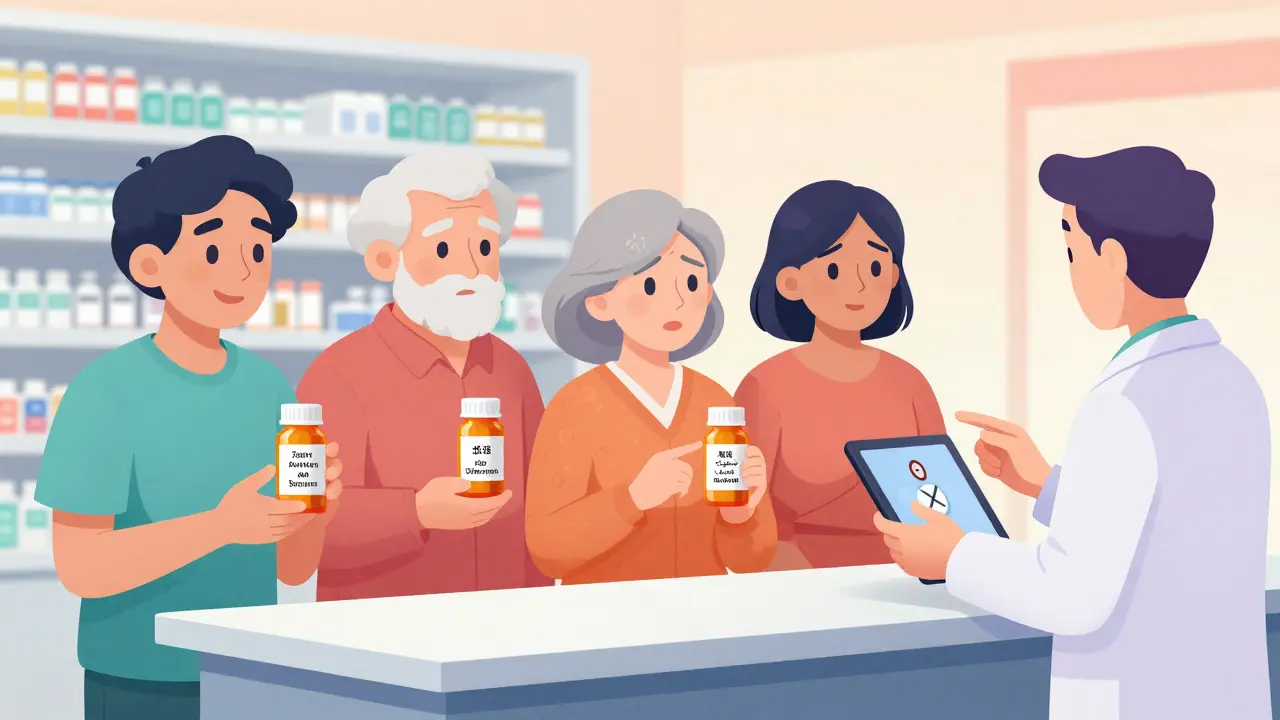
Non-English speakers face dangerous risks when prescription labels aren't translated clearly. Learn how to get accurate medication instructions, what pharmacies are required to provide, and what works best to prevent deadly errors.

Learn the 8 essential steps for using a metered-dose inhaler correctly to ensure medication reaches your lungs. Fix common mistakes that reduce effectiveness and increase side effects like oral thrush.
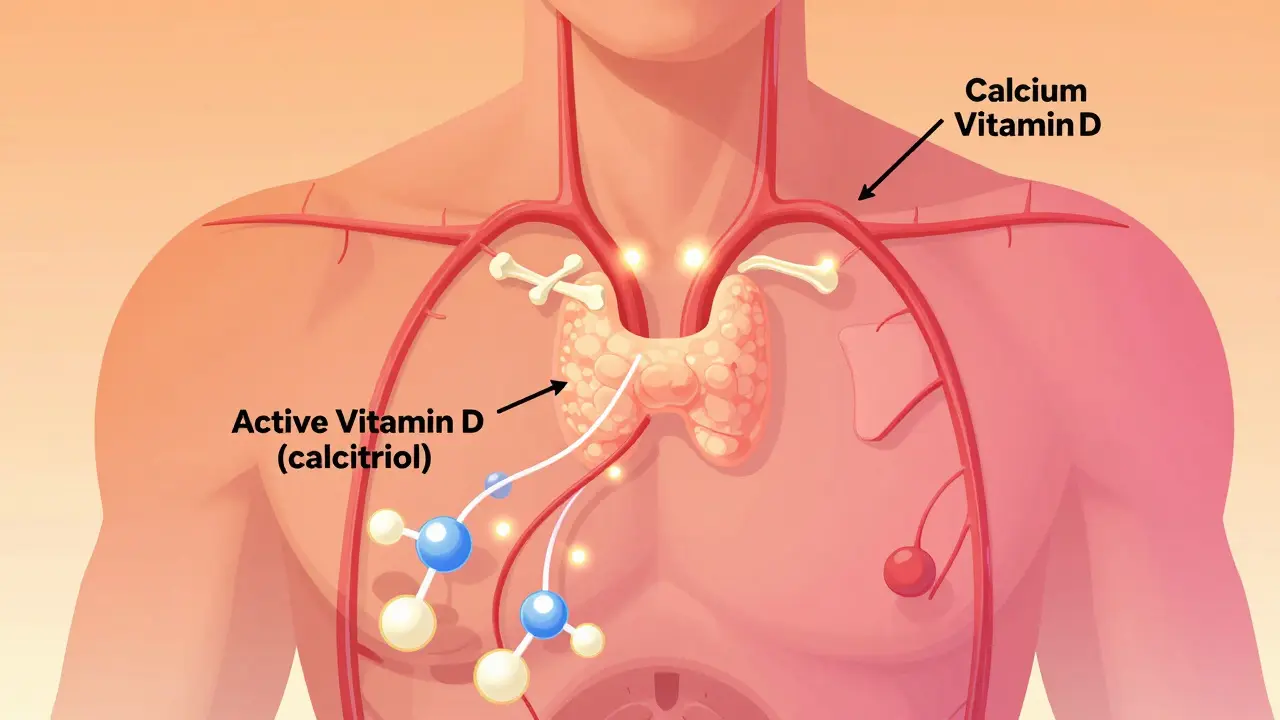
Learn how to manage hypoparathyroidism with calcium and vitamin D supplements, diet, and monitoring to prevent complications like kidney stones and nerve issues. Expert-backed dosing and real-life tips for long-term control.

Medications don't just stay in the mother's body-they cross the placenta and can affect the developing fetus. Learn how drugs move through this complex barrier, which ones are most risky, and what's being done to improve safety.
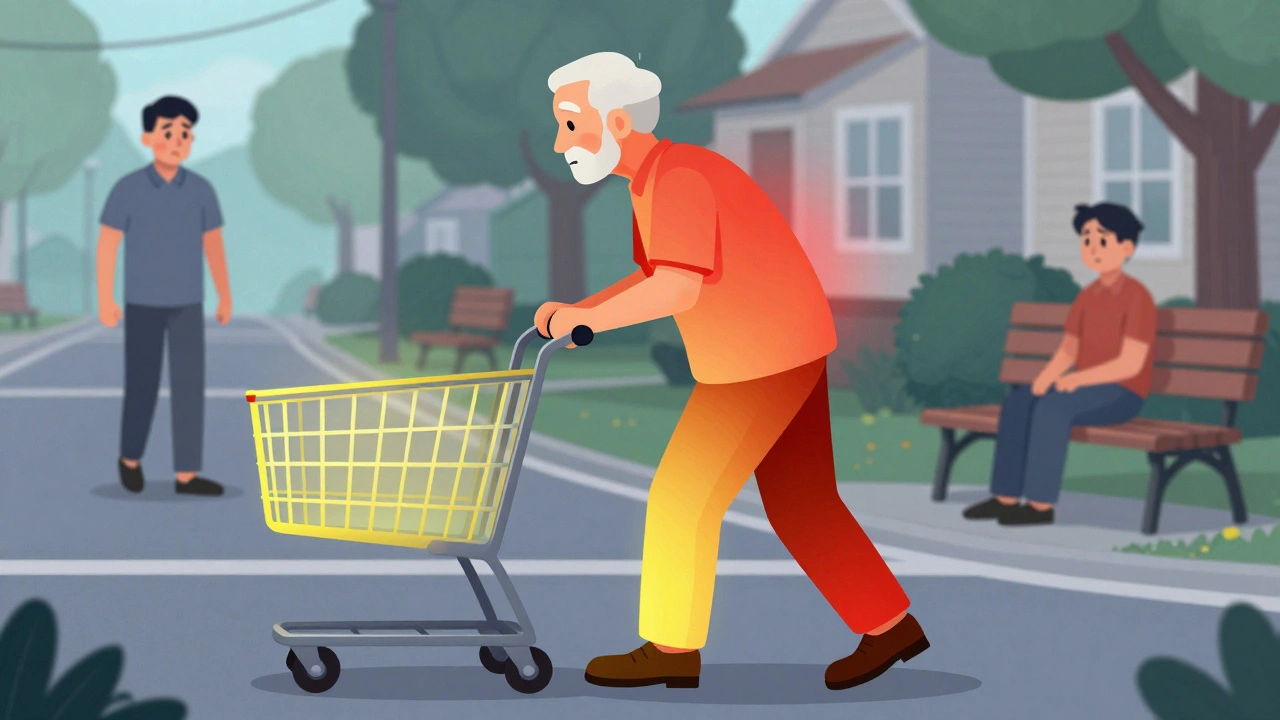
Neurogenic claudication is leg pain caused by spinal stenosis that worsens with walking and improves when bending forward. Learn how to recognize it, avoid misdiagnosis, and choose effective treatments-from exercise to surgery.

Tinea versicolor is a common yeast overgrowth that causes discolored skin patches. Learn how to treat it effectively and prevent it from coming back with simple, science-backed maintenance routines.

Environmental monitoring is a critical process in manufacturing to detect contamination in air, surfaces, and water before it affects products. Learn how zone-based sampling, industry standards, and new technologies help prevent recalls and ensure safety.
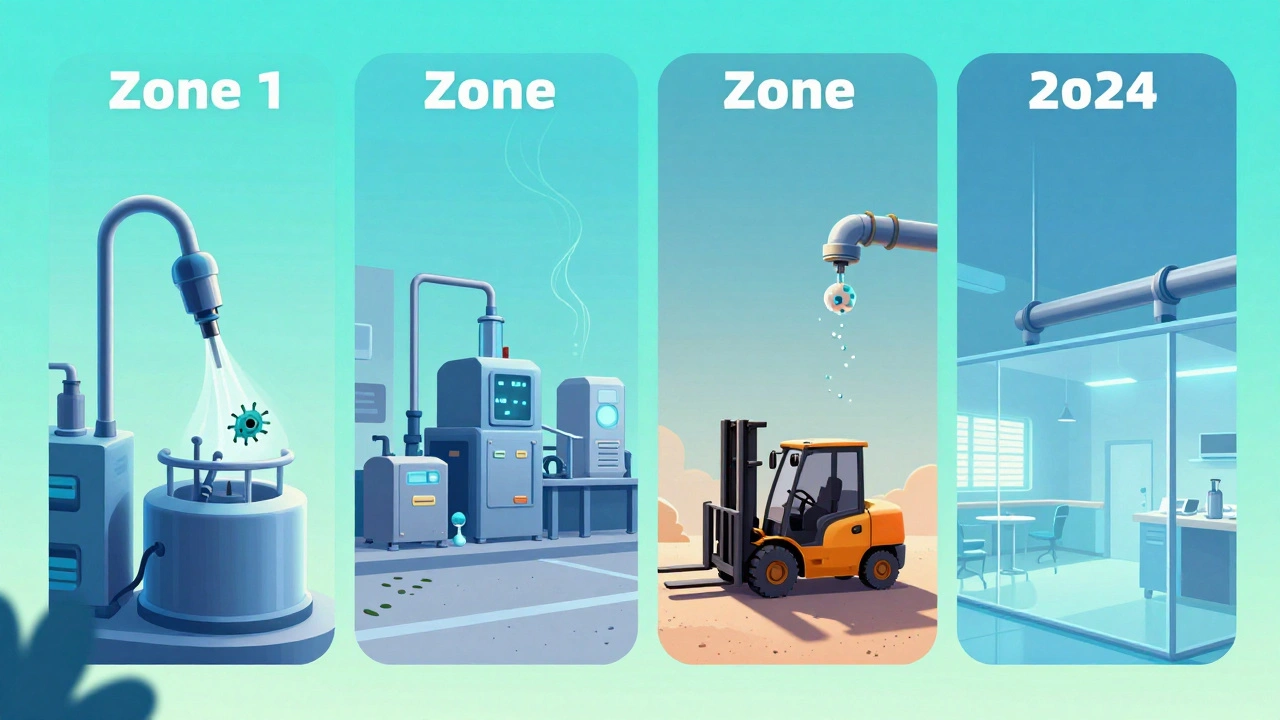
Environmental monitoring in manufacturing prevents contamination by testing air, surfaces, and water for microbes, chemicals, and particles. Learn how zone systems, sampling methods, and regulations ensure product safety in pharma, food, and cosmetics.
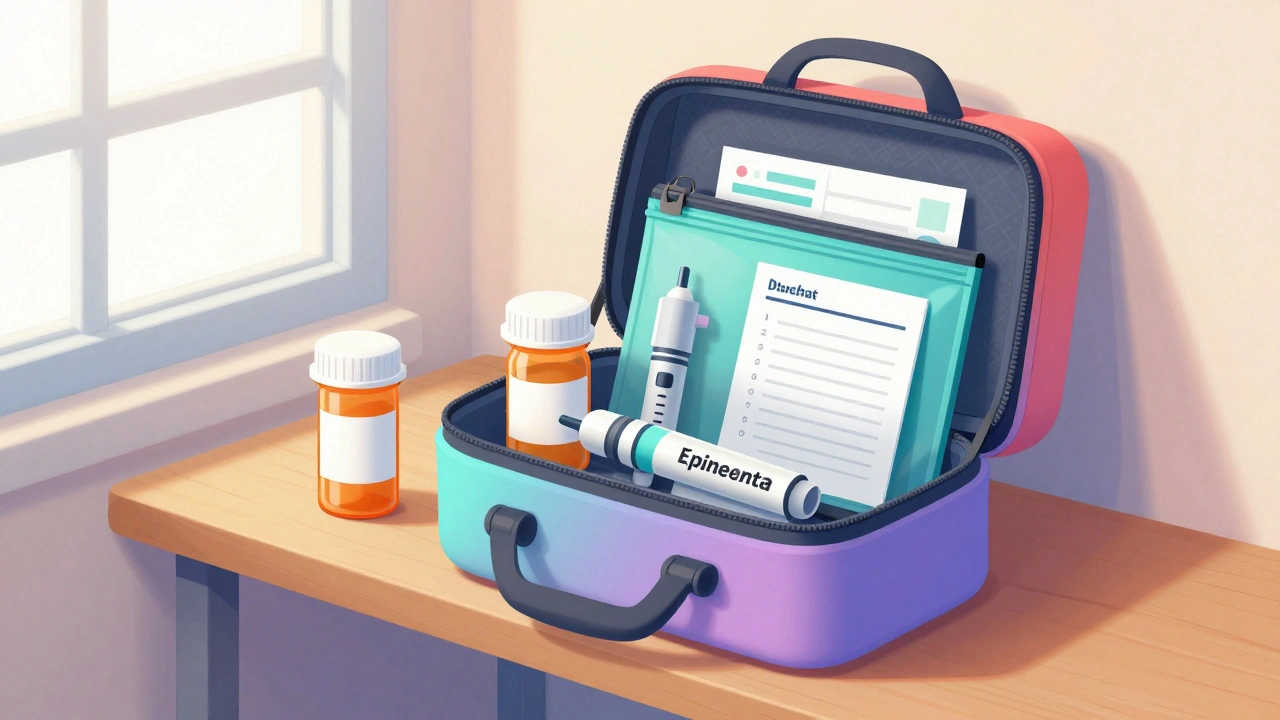
A medication go-bag ensures you have access to critical prescriptions during disasters. Learn what to pack, how to store it safely, and why 14 days of meds is the new standard for emergency preparedness.