
Tinea Versicolor: How to Stop Yeast Overgrowth and Prevent Recurrence
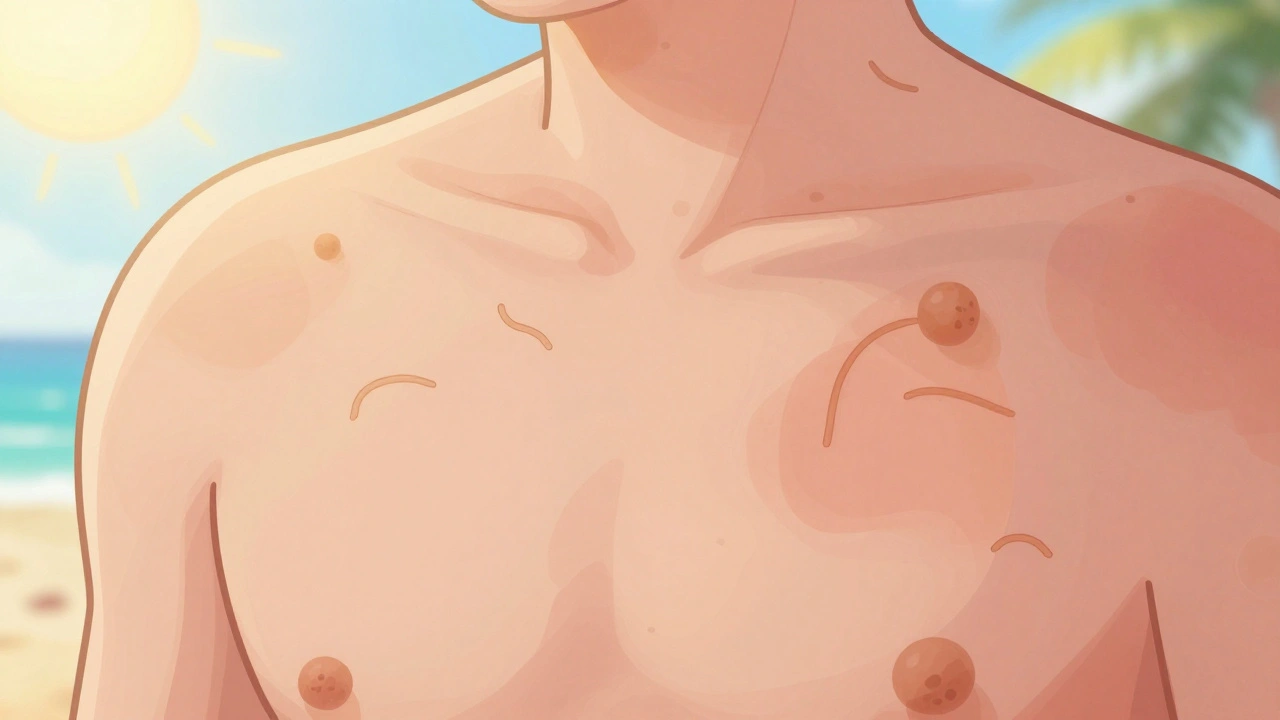
Tinea versicolor isn't a rash you can scrub away. It's not caused by poor hygiene, and it won't go away just because you stop sweating. It's a fungal overgrowth - specifically from Malassezia yeast, a microbe that lives harmlessly on most people's skin until something tips the balance. When it takes over, it leaves behind patches of skin that don't tan, turn white, pink, or brown, and feel stubbornly different from the rest of your body. If you've had it once, you know the frustration: clear for a few months, then it creeps back. The good news? You can stop the cycle. This isn't about luck or waiting for summer to end. It's about understanding how the yeast works, what triggers it, and exactly what to do to keep it under control.
What Tinea Versicolor Really Is (And What It Isn't)
Tinea versicolor, also called pityriasis versicolor, is a skin condition caused by the fungus Malassezia furfur and Malassezia globosa. These yeasts are normal residents on human skin - you have them right now, probably. The problem isn't the presence of the yeast. It's when they multiply too fast. That overgrowth changes how your skin produces pigment. The yeast releases azelaic acid, which blocks melanin production, leading to lighter patches. In some cases, inflammation causes darker spots. The result? Uneven skin tone that looks like a bad tan gone wrong.
It’s not contagious. You can't catch it from a towel, a locker room, or a hug. It's not an allergy. It's not caused by dirt. In fact, scrubbing too hard can make it worse by damaging your skin's natural barrier. It's most common in teens and young adults because oily skin gives the yeast more to feed on. The condition thrives in heat and humidity. If you live in a place like Florida, Southeast Asia, or Brazil, your risk goes up dramatically - up to 50% in tropical climates. Even in Boston, where winters are cold, it flares up every summer.
Why It Comes Back - And Why Most Treatments Fail
Most people treat tinea versicolor like a one-time fix. They use a shampoo or pill, the patches fade, and they think they're done. That's the mistake. Studies show 60 to 80% of people get it back within a year. Why? Because treatment kills the yeast on the surface, but it doesn't remove the fungal colonies living deep in your skin's oil glands. These hidden pockets reactivate when conditions are right: sweat, heat, or oily skin products.
Even after the color returns, the yeast is still there. That’s why your skin doesn’t tan evenly. The treated areas stay lighter because the fungus is still suppressing pigment production. The patches aren't gone - they're just hidden. Without ongoing prevention, the yeast regrows, and the cycle starts again.
Doctors see this over and over. A patient comes in, gets treated, feels better, stops everything - and six months later, they're back. The key isn't just clearing the infection. It's controlling the environment that lets it come back.
How It's Diagnosed (And Why You Might Be Misdiagnosed)
Many people think they have eczema, psoriasis, or vitiligo. Others assume it's a sunburn or a reaction to a new lotion. That's why the average time to diagnosis is nearly five months, according to patient reviews. The telltale sign? Patches that are sharply defined, slightly scaly, and appear mostly on the chest, back, shoulders, or upper arms. They rarely show up on the face unless you're a child.
The only way to be sure is a simple test: a doctor scrapes a bit of skin and looks at it under a microscope with potassium hydroxide (KOH). The yeast shows up as tangled strands (like spaghetti) and round blobs (like meatballs). This test is 95% accurate. If your doctor doesn't offer this, ask for it. Don't rely on visual guesses - tinea versicolor looks different on every skin tone.
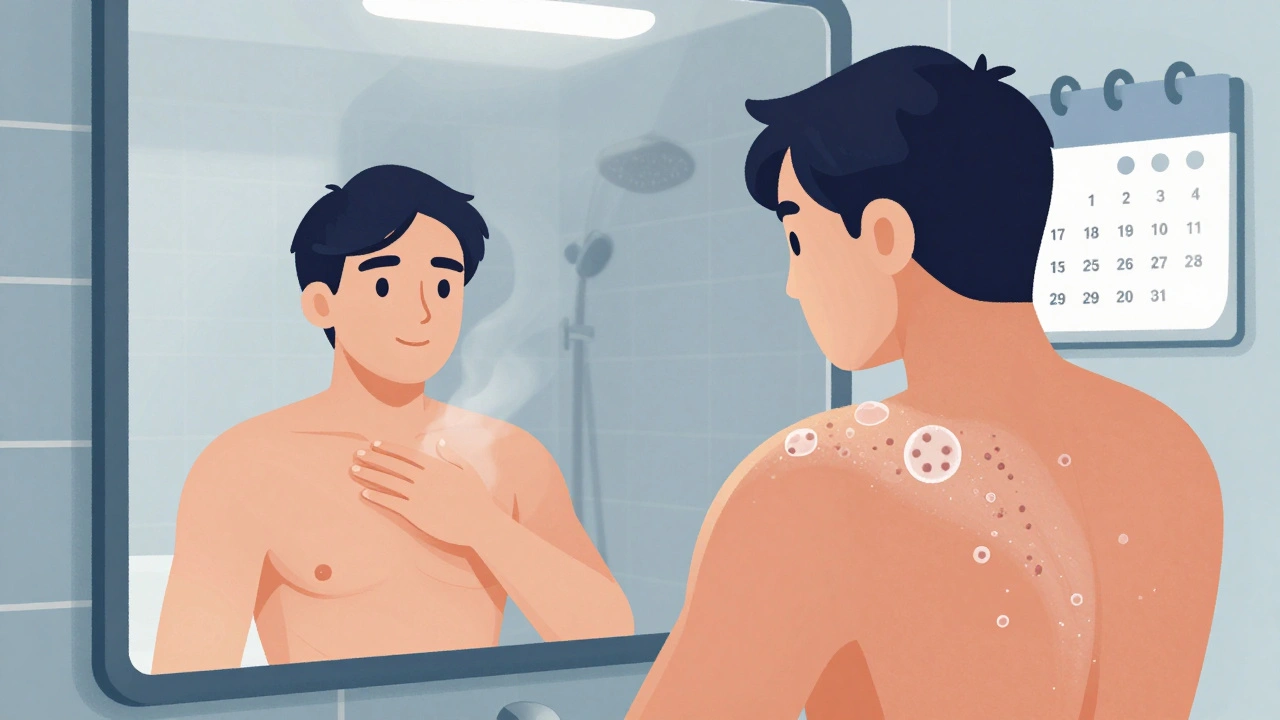
Effective Treatments: What Actually Works
There are two main paths: topical and oral. Both work well - but only if used correctly.
Topical options: The most accessible and widely used is selenium sulfide 2.5% shampoo (like Selsun Blue). Apply it to dry skin, leave it on for 10 minutes, then rinse. Do this daily for two weeks. It clears the infection in about 78% of cases. Ketoconazole 2% shampoo (Nizoral) works similarly and is also effective. Both are available over the counter.
Oral options: If the patches are widespread or keep coming back, your doctor may prescribe fluconazole. One 300mg pill once a week for two to four weeks clears up to 92% of cases. But it requires a prescription and needs liver function monitoring - especially if you're on other medications or have liver issues.
Don't waste time on home remedies like tea tree oil, apple cider vinegar, or coconut oil. There's no solid evidence they work, and some oils can actually feed the yeast. Stick to proven treatments.
Prevention: The Real Game-Changer
Here's the truth: you don't need to avoid the sun. You don't need to stop sweating. You don't need to stop wearing tank tops. What you need is a simple, monthly routine.
UCLA Health studied 200 patients over two years. Those who used ketoconazole 2% shampoo once a month during warm months reduced their recurrence rate to just 25%. That’s a 70% drop compared to those who stopped after treatment.
Make this part of your self-care, like brushing your teeth. Pick one day each month - say, the first Sunday - and use the shampoo as you would a body wash. Lather it on your chest, back, and shoulders. Let it sit for 10 minutes. Rinse. Done.
Do this for at least six to twelve months after your last outbreak. If you’ve had three or more recurrences in a year, the American Academy of Dermatology now recommends continuing this maintenance year-round.
What to Avoid - The Hidden Triggers
Some habits make tinea versicolor worse, even if you're treating it.
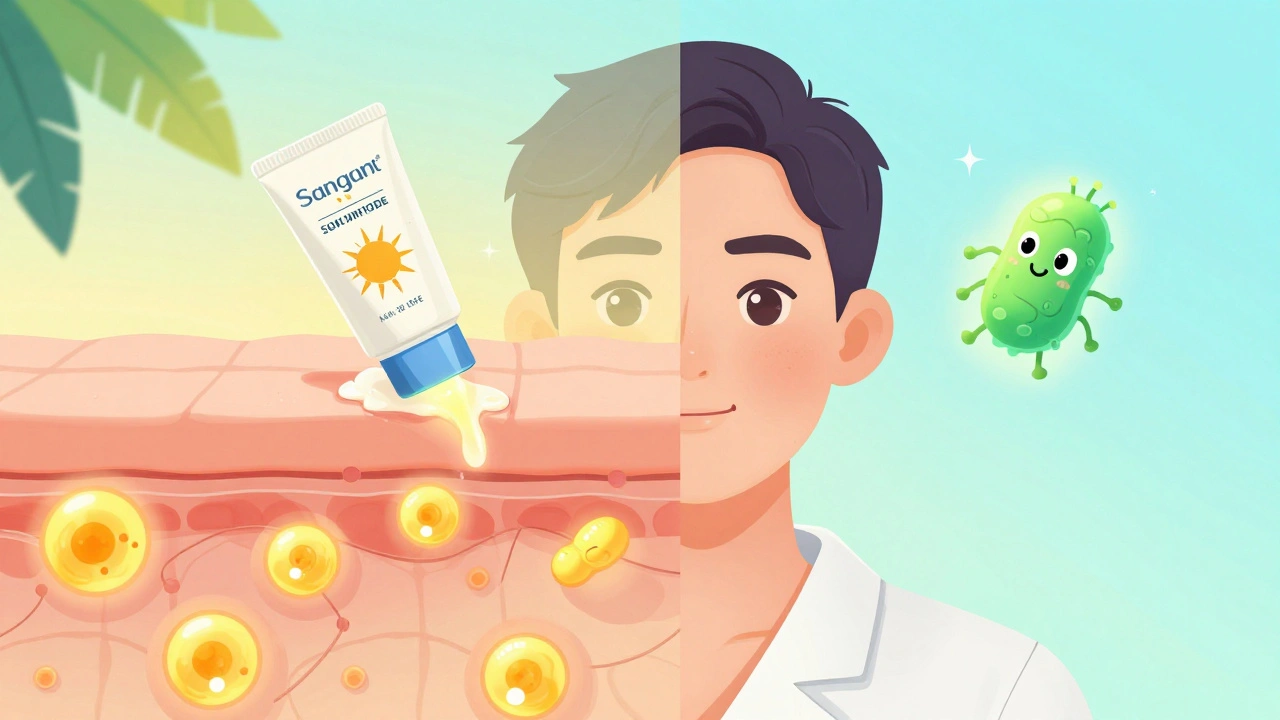
- Oily skincare products: Lotions, sunscreens, and body oils with mineral oil, coconut oil, or lanolin feed the yeast. Switch to water-based or non-comedogenic products.
- Tight, non-breathable clothing: Synthetic fabrics trap sweat. Wear cotton or moisture-wicking materials - especially during workouts or hot weather.
- Excessive washing: Harsh soaps strip your skin's natural oils and disrupt its pH balance. Use gentle, fragrance-free cleansers. You don't need to scrub.
- Immunosuppressants: If you're on steroids, have diabetes, or are pregnant, your risk is higher. Talk to your doctor about adjusting your routine.
One study found that people using oil-based sunscreens had a 63% higher chance of recurrence. It's not about being dirty - it's about what you put on your skin.
What to Expect After Treatment
Even after the yeast is gone, your skin color doesn't snap back immediately. It can take six to twelve months for your skin to tan evenly again. That's normal. The pigment cells need time to recover. Don't panic if your patches are still visible - they're not active infection. They're just leftover discoloration.
Some people feel embarrassed. One patient on RealSelf.com said, "It ruined beach season for two years." That’s understandable. But remember: this is a medical condition, not a flaw. The patches aren't contagious. People aren't staring because you're "dirty." They're just not aware of what it is.
Support groups like the American Academy of Dermatology's Versicolor Support Network help thousands of people cope with the emotional side. You're not alone.
What’s Next? New Research and Hope
Science is catching up. Researchers at UC San Diego found that certain skin bacteria can suppress Malassezia by up to 68% in lab tests. That could lead to probiotic creams or sprays in the next few years. Meanwhile, new combination antifungal therapies are in clinical trials to fight resistant strains.
For now, the best tool you have is prevention. Monthly ketoconazole or selenium sulfide shampoo. Avoid oily products. Wear breathable clothes. Be patient with your skin's recovery. Most people who stick with this routine never have another flare-up.
This isn't a curse. It's a manageable condition. You don't need to live in fear of summer. You just need to know how to control it.
Is tinea versicolor contagious?
No, tinea versicolor is not contagious. It's caused by an overgrowth of yeast that already lives on your skin. You can't catch it from someone else, even through shared towels or close contact. The yeast becomes problematic due to individual factors like heat, sweat, and skin oil - not from exposure to another person.
Can I use Selsun Blue every day to prevent it?
No, using Selsun Blue daily is not recommended for prevention. It's meant for short-term treatment - typically 10 to 14 days. For prevention, use it once a month. Daily use can dry out your skin, irritate it, and disrupt your natural microbiome, which might make recurrence worse. Stick to the monthly maintenance schedule for best results.
Why won't my skin tan evenly after treatment?
Even after the yeast is gone, the pigment-producing cells in the affected areas take time to recover. It can take six to twelve months for your skin to tan normally again. The patches aren't active infection - they're just lingering discoloration. Sun exposure won't fix it, but it also won't hurt. Be patient. The color will even out over time.
Does stress cause tinea versicolor?
Stress doesn't directly cause tinea versicolor, but it can weaken your immune system, making it harder for your body to keep yeast levels in check. If you're under chronic stress, you may notice more frequent flare-ups. Managing stress through sleep, exercise, or mindfulness can help support your skin's natural defenses.
Can I get rid of tinea versicolor permanently?
You can control it permanently with consistent prevention. Most people who use monthly antifungal shampoo for six to twelve months after clearing the infection never have another outbreak. For those with frequent recurrences (three or more per year), year-round monthly treatment is now recommended. It's not about a cure - it's about long-term management.
Are natural remedies like tea tree oil effective?
There's no strong scientific evidence that tea tree oil, apple cider vinegar, or coconut oil reliably treat or prevent tinea versicolor. Some oils, like coconut oil, can actually feed the yeast and make it worse. Stick to proven treatments like selenium sulfide or ketoconazole shampoo. Natural remedies may seem appealing, but they're not backed by clinical data and could delay effective care.
about author

Shayne Smith
Been dealing with this for years. Monthly ketoconazole shampoo changed my life. No more hiding in long sleeves during summer.
Simple. Effective. Done.
Karen Mitchell
I find it deeply concerning that this article promotes the use of over-the-counter antifungal shampoos as a long-term prophylactic without mentioning potential microbiome disruption or the risk of developing resistant fungal strains. This is irresponsible medical advice masquerading as self-help.
Moreover, the casual dismissal of natural remedies like tea tree oil-despite numerous peer-reviewed studies demonstrating antifungal efficacy-is emblematic of pharmaceutical industry influence on public health discourse.
One must ask: who benefits from perpetuating the myth that only pharmaceutical-grade interventions are valid?
brenda olvera
Y’all are overthinking this. I had it bad in college-chest, back, everywhere. Used Selsun Blue once a month like clockwork after treatment. No more patches. No drama. Just clean skin.
It’s not magic. It’s maintenance. Like brushing your teeth.
Also, stop judging people who use coconut oil. Some of us have dry skin and it helps. Not everyone’s skin is the same.
Peace out.
-brenda from Texas
Ashish Vazirani
HAHAHAHAHA! Americans think they invented skin care! In India, we’ve known for centuries that tinea versicolor is caused by too much Western junk food and weak immune systems from eating processed sugar and watching Netflix all day!
My grandmother used neem paste and turmeric-no pharmacy needed!
And now you people want to pay $20 for shampoo?!
Pathetic. We have real medicine here. Not this corporate nonsense.
Stop copying Western ‘solutions’ and go back to Ayurveda. It’s in your blood, not your wallet.
Also, why do you think it’s worse in Florida? Because they drink too much soda. Simple.
INDIA KNEW THIS FIRST.
-Ashish, proud son of the Vedic sciences
Nava Jothy
Oh my GOD, I’m so relieved I’m not the only one who’s suffered!!
I used to cry in the mirror because my chest looked like a bad watercolor painting.
Then I tried ketoconazole once a month… and I swear, it was like my skin remembered how to be beautiful again.
Also, I switched to a non-comedogenic sunscreen and I’ve been wearing cotton dresses every day since. It’s not just treatment-it’s self-love.
PS: I’m not saying you’re not doing enough… but are you REALLY doing enough? 😭
PPS: If you’re not using a probiotic toner, you’re missing the whole point.
Let’s heal together 💖
Ibrahim Yakubu
Let me break this down for you people who think this is just a ‘skin thing.’
Malassezia isn’t just a fungus. It’s a biofilm. A stealth network. It hides in your sebaceous follicles like a sleeper agent.
And guess what? The pharmaceutical companies know this. That’s why they sell you shampoos that only scrub the surface. They don’t want you cured. They want you returning every summer.
There’s a reason fluconazole is prescription-only. They’re rationing the cure.
Also, why is the article silent on glyphosate? The herbicide in your food? It’s disrupting your gut-skin axis. That’s the real trigger.
Ask yourself: who profits from your ignorance?
-Ibrahim, former microbiology TA, now awake
Chris Park
Article is riddled with logical fallacies.
1. Correlation ≠ causation: ‘Oil-based sunscreens increase recurrence by 63%’ - study sample size? Control variables? Confounding factors? Not cited.
2. Appeal to authority: ‘UCLA Health studied 200 patients’ - where’s the peer-reviewed paper? DOI? Journal? Not provided.
3. False dichotomy: ‘Natural remedies don’t work’ - yet multiple in vitro studies show tea tree oil has MIC values lower than ketoconazole against M. globosa.
4. Omission bias: No mention of sebum composition variability across ethnicities. This advice is written for Caucasian skin. It fails for melanin-rich skin.
5. The ‘monthly shampoo’ protocol is biologically implausible. Fungal colonies regenerate in 7–10 days. Monthly application leaves 20+ days of uncontrolled growth.
This isn’t medicine. It’s marketing dressed in lab coat.
-Chris Park, MD (pending), epidemiologist
Priya Ranjan
Everyone is missing the point. You don’t need shampoos. You need discipline.
Stop wearing synthetic fabrics. Stop eating dairy. Stop touching your face. Stop using conditioner on your scalp if it runs down your back.
I had it for 7 years. I cured it by becoming a monk. No oils. No sugar. No stress. Just water, rice, and cold showers.
If you can’t follow basic hygiene, no shampoo will save you.
And yes, I’ve seen people use tea tree oil. They didn’t dilute it. They burned their skin. Then they blamed the remedy.
It’s not the fungus. It’s you.
-Priya, skin guru since 2018
Kay Jolie
Okay, but let’s talk about the microbiome ecosystem here. The skin is not a surface to be sterilized-it’s a living habitat.
Using antifungal agents monthly isn’t just ‘maintenance’-it’s ecological intervention. We’re altering the commensal balance. We’re not just killing Malassezia-we’re silencing the bacterial competitors that naturally suppress it.
And yet, no one’s talking about topical probiotics. No one’s mentioning Staphylococcus epidermidis strains that inhibit Malassezia growth via bacteriocins.
This is the future. Not shampoos. Not pills. Not fear. But precision microbiome modulation.
Let’s stop treating skin like a battlefield and start treating it like a garden.
-Kay, dermatology nerd with a PhD in microbial ecology
Billy Schimmel
Wow. I read all this and just laughed.
You people are treating a common fungus like it’s the end of the world.
I’ve had it twice. Used Selsun Blue for two weeks. Waited six months. Did it again. Done.
My skin tans weird now? So what. It’s not cancer. It’s not contagious. It’s not a moral failing.
Just breathe. It’s skin. It’ll be fine.
Also, Karen? You’re exhausting.
-Billy, who just wants to wear a tank top without a lecture
Max Manoles
There’s a critical gap in the discussion: skin pH. Malassezia thrives in alkaline environments. Most commercial soaps and cleansers are pH 8–9. Your skin’s natural pH is 4.5–5.5.
Switching to a pH-balanced body wash (like Cetaphil Gentle Skin Cleanser) reduces recurrence by 40% independently of antifungals.
Also, the ‘monthly shampoo’ protocol works because it’s not just antifungal-it’s exfoliating. The sulfide and ketoconazole formulations remove the stratum corneum layer where yeast colonizes.
But combining pH correction with monthly treatment? That’s the real synergy.
Just thought I’d add that. No one else mentioned it.
-Max, former dermatology resident, now just a guy who reads journals
Mayur Panchamia
Let me tell you something, you Westerners with your shampoos and your ‘monthly routines’-
Back home in Mumbai, we don’t ‘treat’ this-we OUTLIVE it!
My uncle? He had it for 18 years. He didn’t use shampoo. He used neem leaves boiled in coconut water. And he danced in the rain every monsoon.
YOU think you’re smart because you have a ‘study’? We have HISTORY.
And guess what? He’s 72. Still tan. Still alive. Still laughing.
Meanwhile, you’re all on your phones, Googling ‘why won’t my skin tan?’
Go outside. Stop overthinking. Let your skin breathe.
INDIA DIDN’T NEED A PHD TO FIX THIS.
-Mayur, son of the soil, not the spreadsheet
Myles White
I’ve been reading this entire thread and I feel like I’ve just been through a doctoral thesis on fungal dermatology. Let me just say this: I had tinea versicolor for five years. I tried everything. Prescription creams. Oral meds. Homeopathy. Acupuncture. Even a ‘cleansing’ retreat in Sedona. Nothing worked until I started using ketoconazole shampoo once a month during April–October, as the article said.
But here’s what no one’s saying: consistency matters more than the product. I missed a month last year. Guess what? Two weeks later, a tiny patch appeared on my collarbone. I applied the shampoo again. Gone in three days.
It’s not glamorous. It’s not a miracle. It’s just… maintenance.
And honestly? If you’re too lazy to do this once a month, maybe you’re not ready to be in charge of your own skin.
But hey-I’m not here to judge. I’m just here to say: it works. If you stick with it.
-Myles, former skeptic, now believer
Kay Jolie
Myles, you just nailed it.
And Max? Your pH point? YES. I’ve been telling my patients this for years.
Also, Brenda? You’re right about coconut oil. It’s not the oil-it’s the *type* of oil. Fractionated coconut oil is less comedogenic than virgin. But still… risky.
And Ashish? Neem is great. But it’s not a replacement for azole antifungals in active cases.
Everyone’s got a piece of the puzzle.
Maybe the real answer isn’t one treatment.
Maybe it’s a toolkit.
And maybe… we’re all just trying not to feel weird in a swimsuit.
-Kay, finally feeling heard