
State Pharmacy Boards: How to Verify Pharmacy Licenses to Avoid Counterfeit Drugs
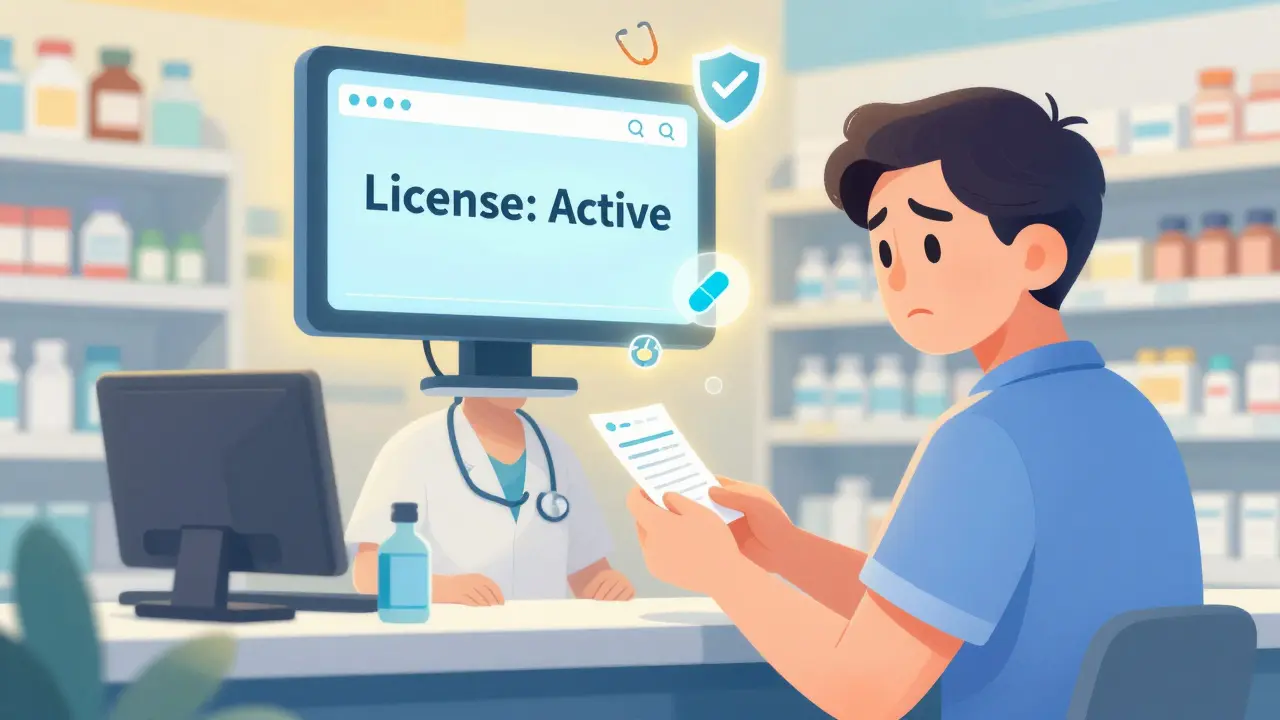
When you walk into a pharmacy, you expect the person behind the counter to be licensed, trained, and legally allowed to handle your medications. But what if they’re not? Counterfeit drugs, mislabeled prescriptions, and unlicensed practitioners are real dangers - and one of the best ways to protect yourself is by checking if your pharmacist is properly licensed. State pharmacy boards are the official gatekeepers of this system, and knowing how to use their verification tools can save your life.
What Are State Pharmacy Boards?
State pharmacy boards are government agencies in each U.S. state and territory that regulate who can practice pharmacy. They’re not optional - they’re legally required. The first one was created in Massachusetts in 1878, and today there are 56 boards covering all 50 states, Washington D.C., Puerto Rico, Guam, and the U.S. Virgin Islands. These boards license pharmacists, pharmacy technicians, and interns. They also investigate complaints, enforce discipline, and ensure continuing education requirements are met.As of 2023, these boards oversee about 350,000 pharmacists and 300,000 pharmacy technicians nationwide. Their main job? Public safety. If a pharmacist makes a dangerous error, sells fake drugs, or works without a license, the board has the power to suspend or revoke their credentials. That’s why verifying a license isn’t just a formality - it’s a critical step in avoiding harm.
How to Verify a Pharmacy License
Every state runs its own online system for checking licenses. Most are free, easy to use, and updated regularly. Here’s how to do it:- Go to your state’s pharmacy board website. Search for “[Your State] Board of Pharmacy” - for example, “Maryland Board of Pharmacy” or “District of Columbia Board of Pharmacy.”
- Find the “License Verification” or “Verify a License” link. It’s usually on the homepage or under “For the Public.”
- Enter at least one identifying detail: full name, license number, or city.
- Review the results. Look for the pharmacist’s full name, license number, type (pharmacist or technician), issue date, expiration date, and current status.
- Check the status carefully. Valid statuses include “Active,” “Renewal Pending,” or “In Good Standing.” Avoid anyone with “Suspended,” “Revoked,” “Probation,” or “Expired.”
Some states, like Maryland, let you search by more details - zip code, city, or even license type. Others, like the District of Columbia, warn that partial information can lead to inaccurate results. Always use the full legal name and avoid nicknames or initials unless you’re certain.
Why You Can’t Rely on Third-Party Sites
You might see pharmacy licenses listed on job boards, hospital websites, or LinkedIn. Don’t trust them. Only state board websites are legally recognized as official sources. A 2022 report from the American Pharmacists Association (APhA) says employers must verify licenses directly through state boards - not through third-party services.Why? Because third-party sites often lag behind. A pharmacist might have their license suspended last week, but their profile on a job site could still say “Active” for months. The National Association of Boards of Pharmacy (NABP) found that 47% of disciplinary cases involve practitioners operating with invalid or expired licenses - and many of those cases started because someone trusted an unofficial source.
NABP Verify: A National Alternative
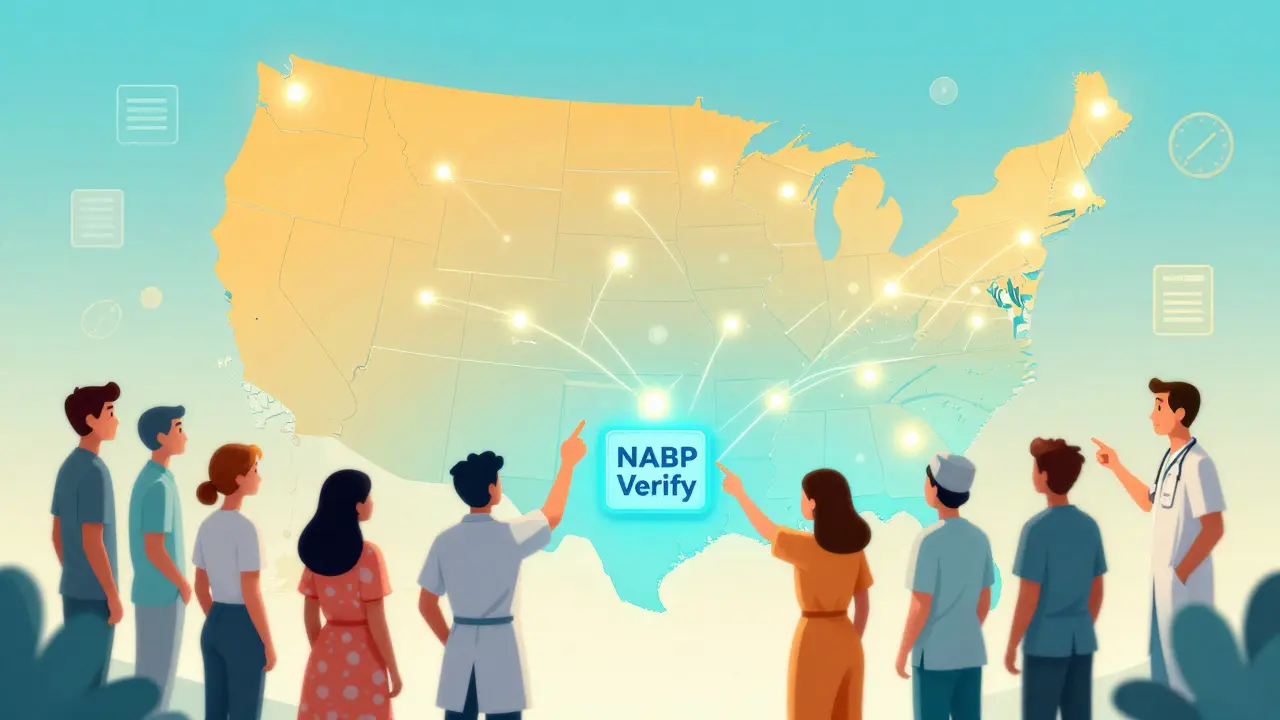
If you’re hiring a pharmacist who works in multiple states, or if you’re a pharmacist yourself moving across state lines, the NABP Verify is a useful tool. Launched in 2020, it’s a centralized service that pulls data from 48 participating state boards. For $59 per year, users get a digital badge that shows real-time license status across states.It’s not a replacement for state boards - it’s a supplement. NABP Verify is great for multi-state practice, but it doesn’t have authority over state-specific rules. For example, if a pharmacist is suspended in Texas but still active in Florida, NABP Verify will show both. But only the Texas board can say whether that suspension is final or under appeal.
As of 2023, NABP Verify also began including pharmacy technicians - a big step forward. Still, 78% of hospitals and 63% of retail pharmacies now require primary source verification, meaning they check directly with the state board - not through NABP or any other service.
What to Look for in a License Status
Not all license statuses are created equal. Here’s what each one means:- Active - The pharmacist is legally allowed to practice.
- Renewal Pending - The license hasn’t expired yet, and renewal paperwork is being processed. Usually safe, but confirm the expiration date.
- Expired - The license is no longer valid. Never accept care from someone with this status.
- Suspended - The board has temporarily taken away the license due to misconduct, errors, or investigations.
- Revoked - The license is permanently gone. This person can’t practice again without going through a lengthy reinstatement process.
- Probation - The pharmacist is still working but under strict supervision. This is a red flag - ask why they’re on probation.
- Retired - They’ve voluntarily stopped practicing. Not a threat, but they shouldn’t be filling prescriptions.
- Deceased - The person has passed away. This should be obvious, but it happens more than you’d think.
Some states, like Maryland, show up to 15 different statuses. If you see something unfamiliar, call the board directly. Don’t guess.
Common Problems and How to Fix Them
Even with good systems, things go wrong:- Name mismatches - A pharmacist might have changed their last name after marriage. Try searching with a maiden name or middle initial.
- Delayed updates - If someone just passed their exam or renewed their license, it might take 1-3 weeks to show up. Maryland’s board says it can take “some time” for updates to appear.
- Technical glitches - Some state websites crash, load slowly, or don’t work on mobile. Try a different browser or device.
- Expired grace periods - A few states allow a 30-day grace period after expiration. But if the license hasn’t been renewed by then, it’s invalid.
If you can’t find someone online, call the board. Maryland’s Board of Pharmacy offers phone support at (410) 764-4755. Most other boards have similar numbers listed on their websites.
Why This Matters for Counterfeit Drugs
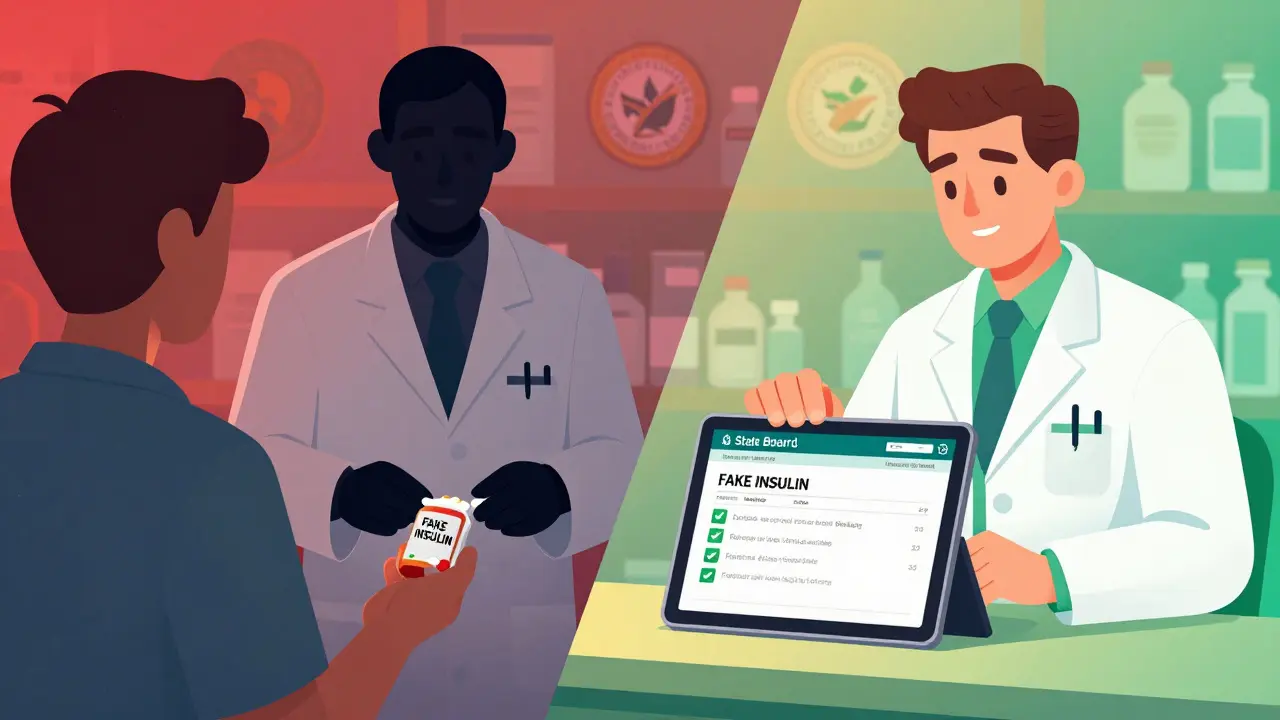
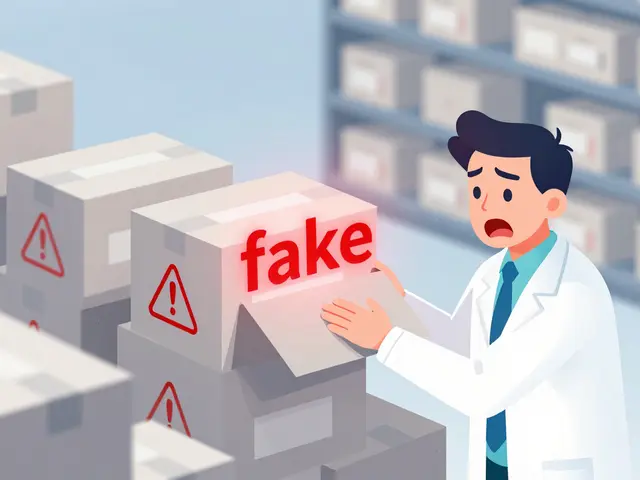
Counterfeit drugs don’t just come from shady online pharmacies. Sometimes, they come from legitimate-looking local pharmacies staffed by unlicensed people. In 2022, a pharmacy in Ohio was shut down after an unlicensed technician was found filling prescriptions with fake insulin. The owner had hired someone who passed a background check - but never verified their license.The FDA estimates that 1 in 10 medications sold online are counterfeit. But even in brick-and-mortar stores, unlicensed staff can make dangerous mistakes: wrong dosages, incorrect labels, or mixing up similar-sounding drugs. When you verify a license, you’re not just checking a box - you’re making sure the person handling your medicine has met the minimum standards for safety and competence.
What’s Changing in 2025
The system is getting better. By 2025, 90% of state boards are expected to update license statuses in real time - cutting the current 7-14 day delay. The Interstate Pharmacy Licensure Compact (IPLC), now active in 23 states, lets pharmacists hold one license that works across multiple states. And NABP is expanding its Verify service to include automatic alerts when a license changes status.But the core rule hasn’t changed: only state boards have the legal authority to confirm who is licensed. No app, no website, no employer can replace that.
What You Should Do Today
If you’re a patient:- Before filling a new prescription, check your pharmacist’s license on your state’s board website.
- Ask to see their license - most states require pharmacists to display it.
- If something feels off, call the board. You’re not being paranoid - you’re being smart.
If you’re an employer or pharmacy owner:
- Verify every new hire through the state board - never rely on resumes or LinkedIn.
- Re-check licenses annually, even if they’re marked “Active.”
- Train staff to recognize license status codes and red flags.
It takes less than five minutes. But that five minutes could prevent a tragedy.
Can I verify a pharmacy license for free?
Yes. All 56 state pharmacy boards offer free online license verification. You don’t need to pay anything to check if a pharmacist is licensed. Some states charge a small fee (usually under $10) if you request an official verification letter to send to another state or employer, but the basic lookup is always free.
What if the license says "Active" but I’m worried about the pharmacist?
An "Active" status only means the license hasn’t been suspended or revoked. It doesn’t guarantee quality or experience. If you suspect errors - like wrong prescriptions, rude behavior, or refusal to answer questions - report it to the board. Most boards have a complaint form online. Even if the license is valid, the board can investigate conduct and require additional training or supervision.
How often should I check a pharmacist’s license?
For personal safety, check once when you start using a new pharmacy. For employers or institutions, check at least once a year - and immediately after any license renewal period. Some states renew licenses every two years, and updates can be delayed. Don’t assume "Active" means everything is fine.
Can I verify a pharmacy technician’s license too?
Yes. All state boards license pharmacy technicians, and their licenses are searchable online. Technicians handle a lot of the work behind the counter - counting pills, preparing prescriptions, managing inventory. If they’re unlicensed, the risk of errors increases. Always verify both the pharmacist and the technician if you’re concerned about safety.
What happens if I find someone with an invalid license?
Report them immediately to your state’s pharmacy board. Most boards have an online complaint form or hotline. Do not confront the person yourself - that could be dangerous. The board will investigate, and if the person is practicing illegally, they can be fined, jailed, or permanently banned. Reporting someone could prevent someone else from getting harmed.
about author

David Robinson
Just checked my state’s board site. My pharmacist’s license says ‘Active’ but expired last year. No one told me. I filled my blood pressure med there for 3 months. Scary as hell.
Now I verify every time. No exceptions. If you’re not checking, you’re gambling with your life.
Jeremy Van Veelen
Oh, so we’re just supposed to trust a government website now? Like, what’s next? Trusting the DMV to update your license without a 6-month delay? This whole system is a farce.
State boards? More like state bureaucracy with a PowerPoint slide deck and a 1998-era server. I’ve seen licenses expire and STILL show as ‘Active’ for 11 months. This isn’t safety-it’s performance art for people who think compliance equals competence.
Laura Gabel
I dont even bother checking anymore. if they look like they know what theyre doing and dont yell at me for asking questions then im fine. state boards are just a way to make money off paperwork. my cousin works at one and she says 80% of the complaints are from people who just dont like their pharmacy.
jerome Reverdy
Let’s unpack this real quick. The system’s not perfect, but it’s the only thing standing between you and a vial of chalk powder labeled ‘insulin.’
Yeah, updates lag. Yeah, name mismatches happen. But the fact that 78% of hospitals still require primary source verification? That’s the industry saying: ‘We don’t trust your LinkedIn.’
It’s not about perfection. It’s about risk mitigation. You wouldn’t let a stranger weld your car’s frame without a certification-why would you let them handle your meds? This isn’t bureaucracy. It’s triage for human safety.
Andrew Mamone
Verified my pharmacist yesterday. Active status ✅
Called the board just to be safe. They confirmed it was updated 2 days ago 📞
Worth 3 minutes. Seriously.
❤️
MALYN RICABLANCA
Oh MY GOD. I JUST FOUND OUT MY PHARMACIST WAS ON PROBATION FOR 14 MONTHS AND NO ONE TOLD ME!!
She was giving people WRONG DOSAGES because she was ‘under supervision’-and the board didn’t even notify patients?!
AND THE FEDS WON’T DO ANYTHING BECAUSE ‘IT’S A STATE MATTER’?!
THIS IS A NATIONAL EMERGENCY. WE NEED A FEDERAL PHARMACY WATCHDOG. WE NEED A TASK FORCE. WE NEED A TV MINISERIES.
My aunt almost died. I’m crying right now. I’m not okay.
gemeika hernandez
I dont get why people make this so hard. just look at the name on the badge. if it matches the person, its fine. if theyre nice and dont mess up your prescription, who cares if their license is ‘renewal pending’? you think the board is going to catch every mistake? they dont even answer the phone.
Nicole Blain
Just checked my local pharmacy. Tech’s license is active. Pharmacist’s too.
Went in for my refill. They smiled. Didn’t rush me.
Left with my meds and a free lollipop.
✅
❤️
Kathy Underhill
Verification isn’t about distrust. It’s about alignment.
Pharmacy isn’t like buying a shirt. One error can end a life.
State boards exist because we’ve seen what happens when we assume competence.
Checking a license is a quiet act of care-for yourself, for your family, for the person who might one day need your vigilance to stay alive.
No fanfare. No drama. Just responsibility.
Do it.