Discover the hidden causes of eyelid dermatitis and how to treat it safely. Learn about cosmetic allergens, patch testing procedures, and effective management strategies to clear up swollen eyes.

Discover the hidden causes of eyelid dermatitis and how to treat it safely. Learn about cosmetic allergens, patch testing procedures, and effective management strategies to clear up swollen eyes.
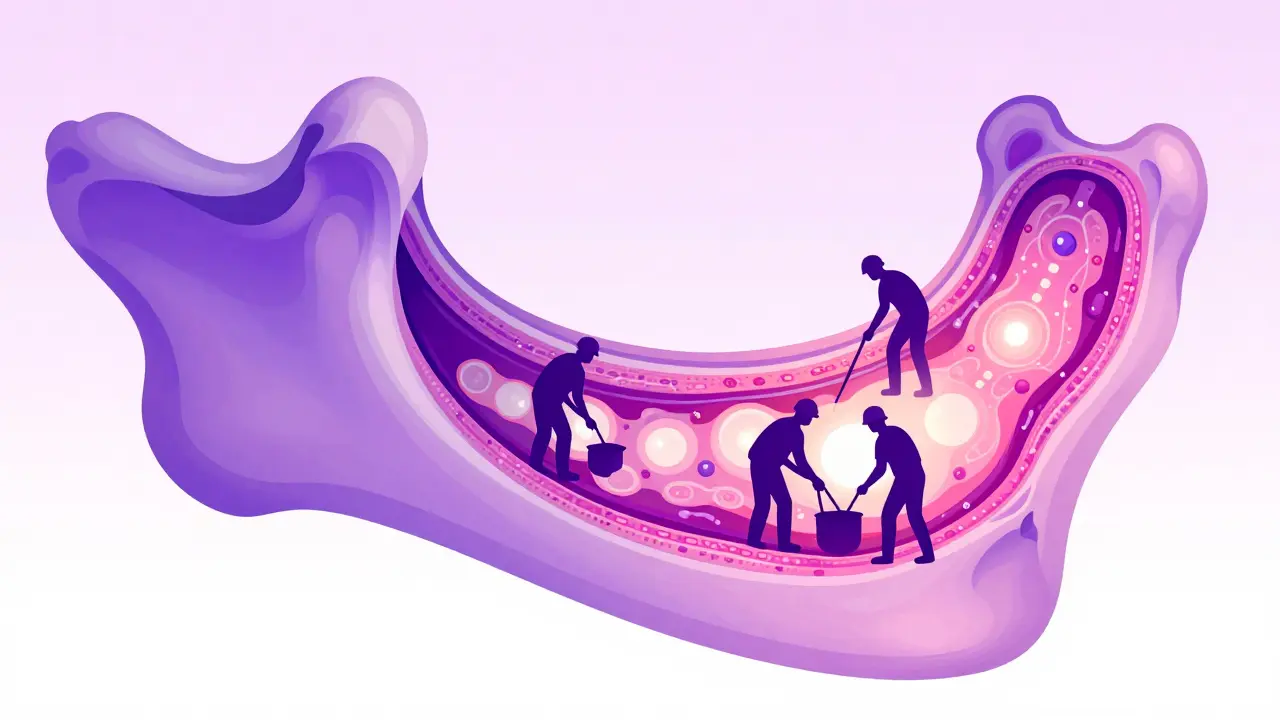
Identify dental warning signs of medication-related osteonecrosis of the jaw. Learn which drugs increase risk, symptoms to watch for, and prevention strategies.
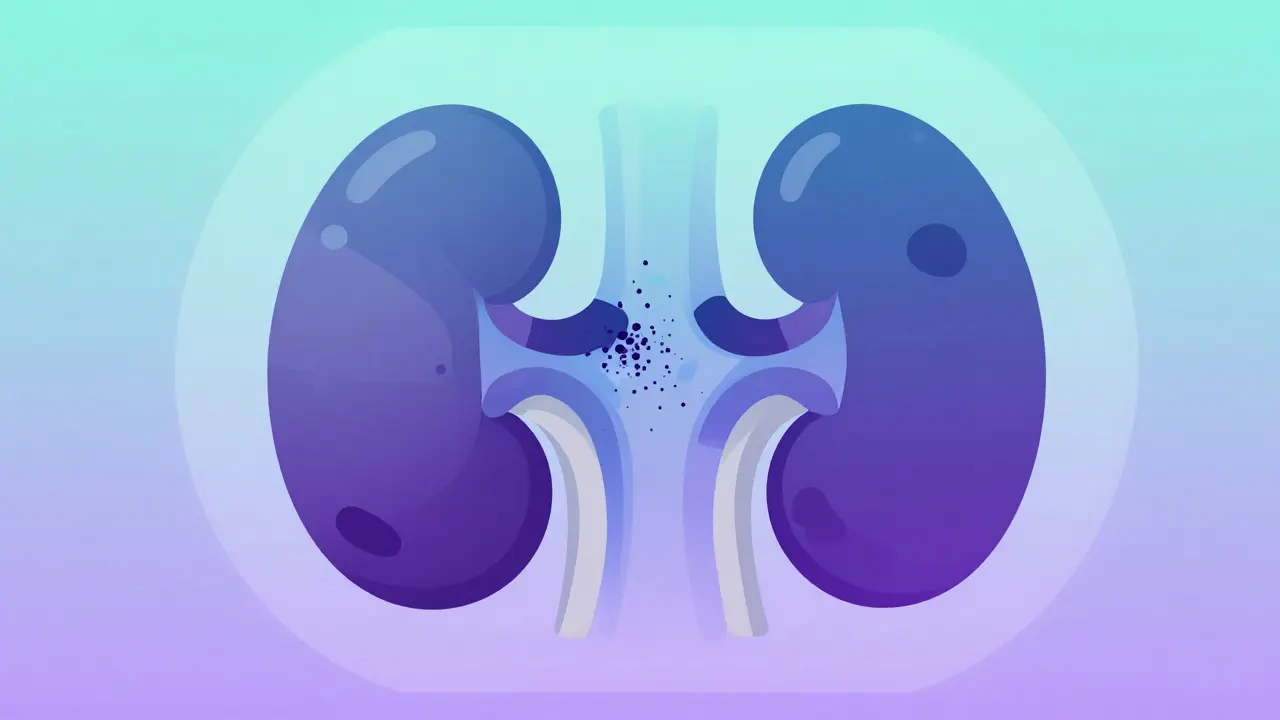
Explore the reality of uremic symptoms like nausea and itching in kidney failure. Learn the medical thresholds for dialysis initiation and management strategies based on 2023 KDOQI guidelines.
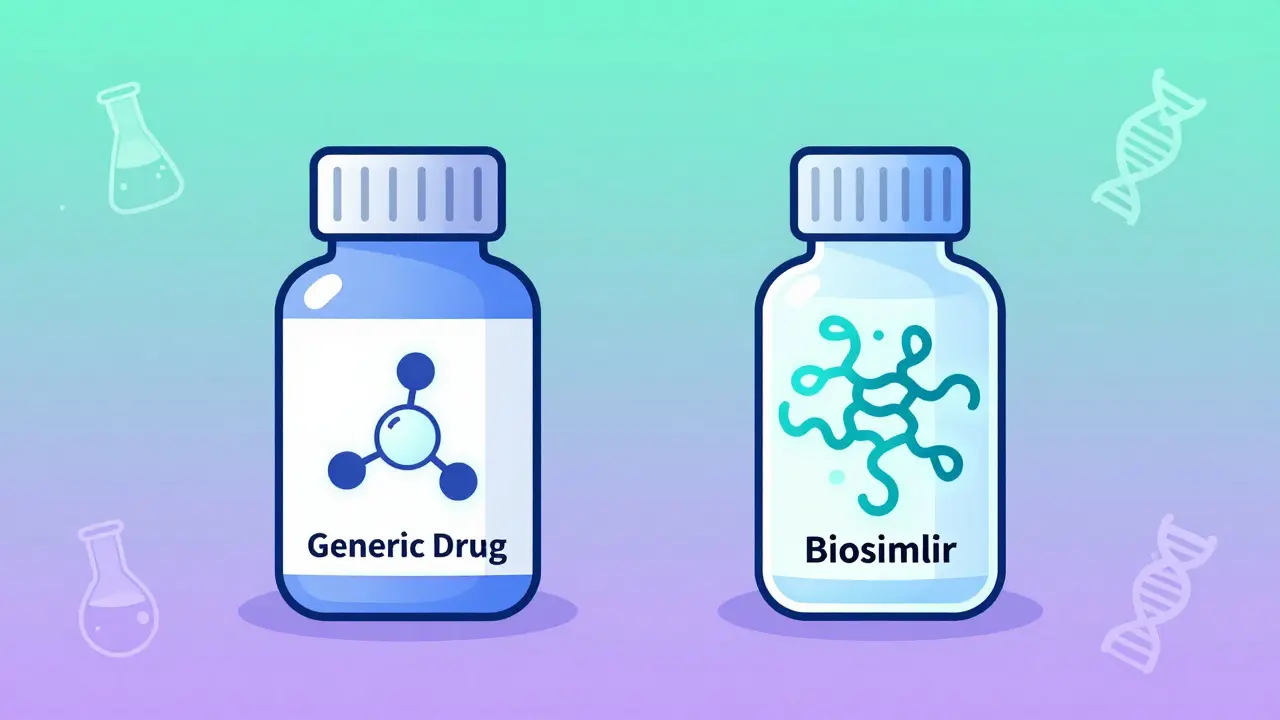
Biosimilars and generics both lower drug costs, but they're fundamentally different. Generics are exact chemical copies; biosimilars are highly similar biological versions. Understanding the difference helps you make smarter treatment choices.
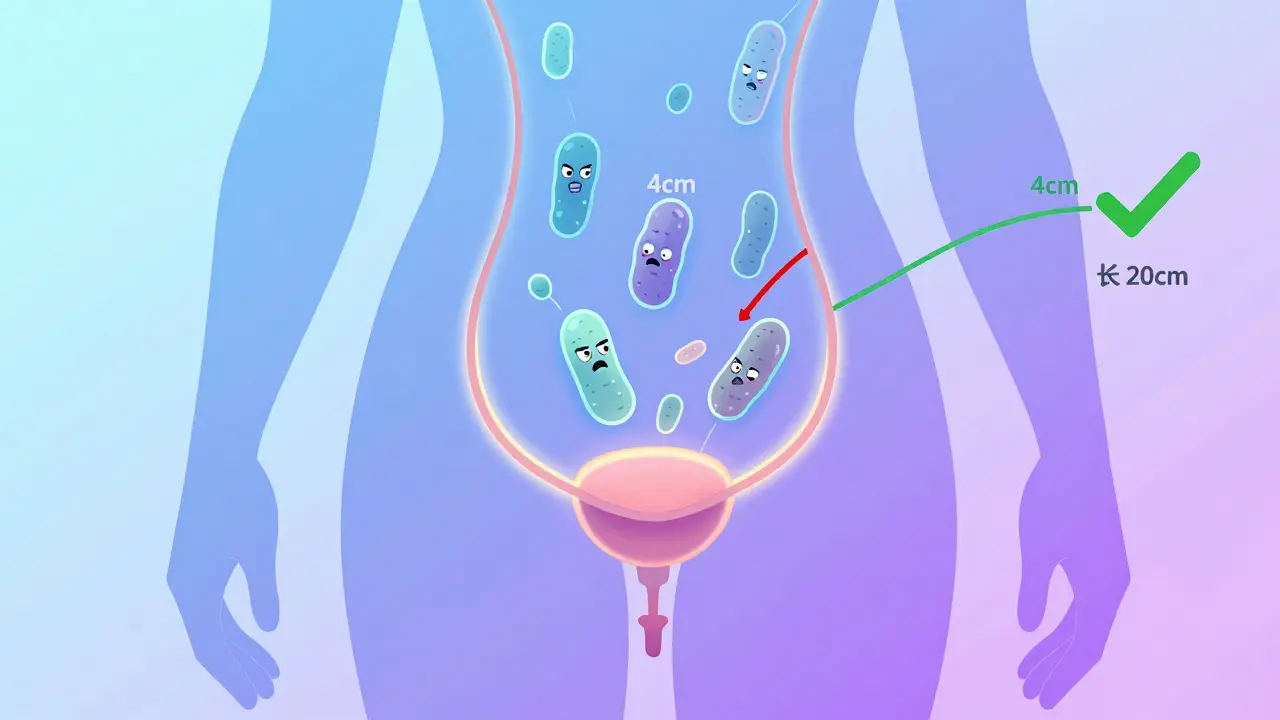
Urinary tract infections are common, especially in women, and are usually caused by E. coli. Learn what antibiotics actually work, how to prevent recurring infections, and what prevention strategies are backed by science.
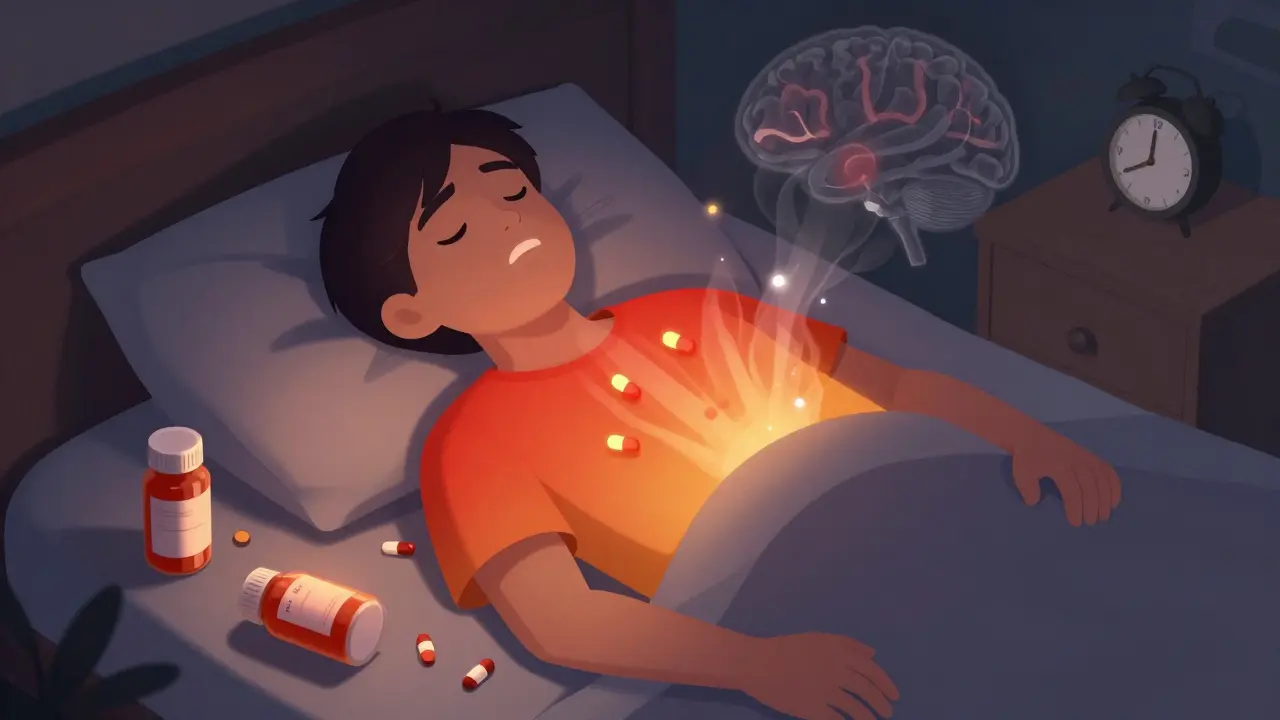
Combining sedating medications like opioids, benzodiazepines, and sleep aids can lead to deadly respiratory depression. Learn the most dangerous combinations, warning signs, and how to protect yourself or a loved one.
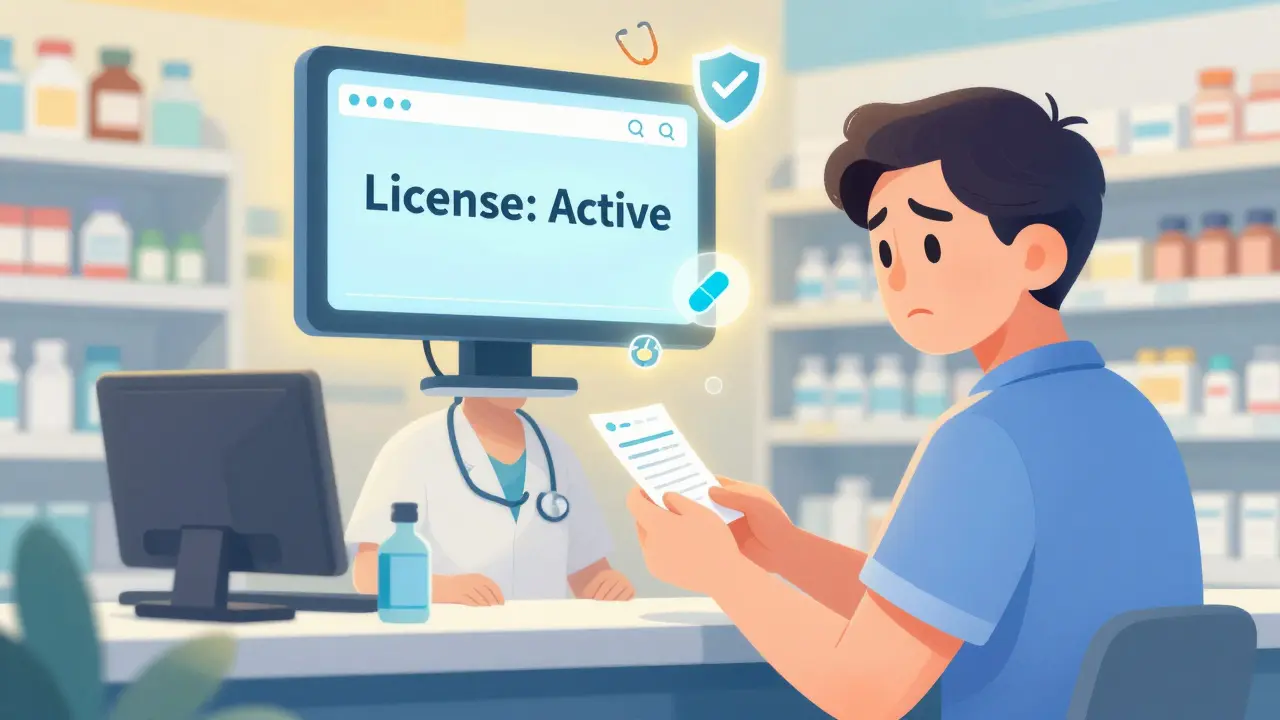
Learn how to verify pharmacy licenses through state boards to avoid unlicensed practitioners and counterfeit drugs. Free, official tools can protect your health - here’s how to use them.
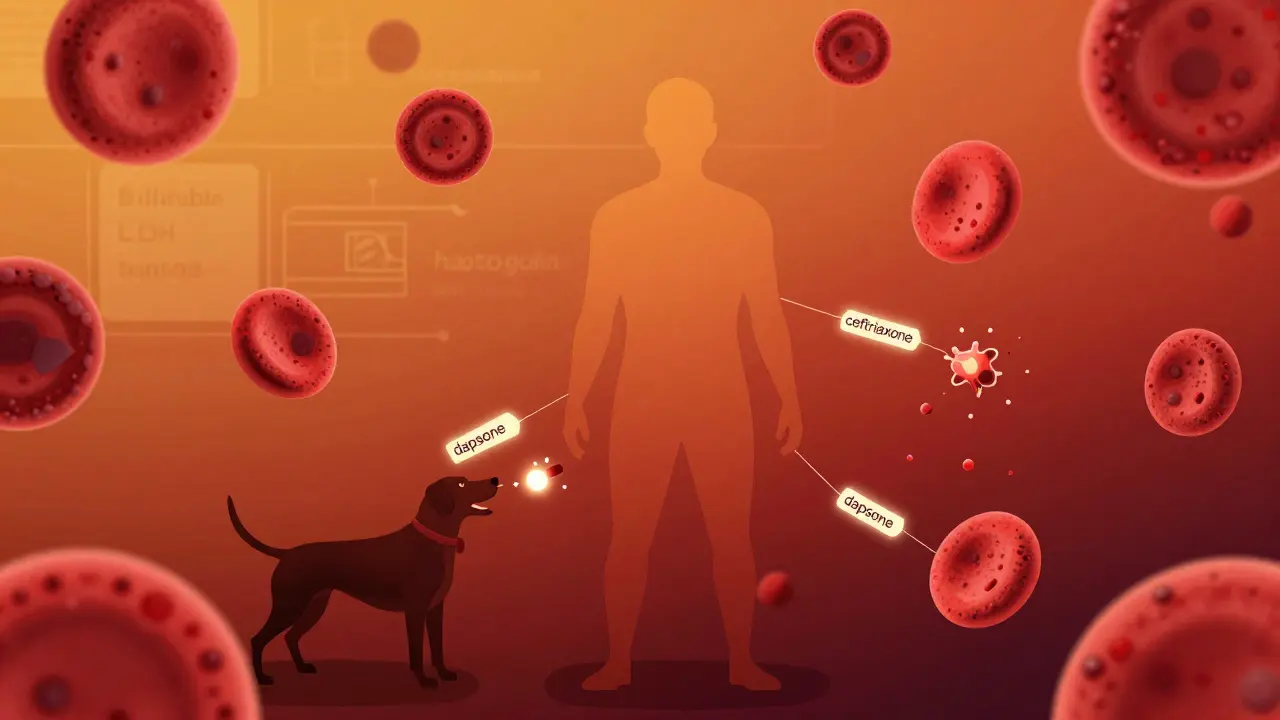
Drug-induced hemolytic anemia is a rare but dangerous condition where medications trigger the immune system to destroy red blood cells. Learn the key drugs involved, symptoms to watch for, and how to respond before it turns life-threatening.
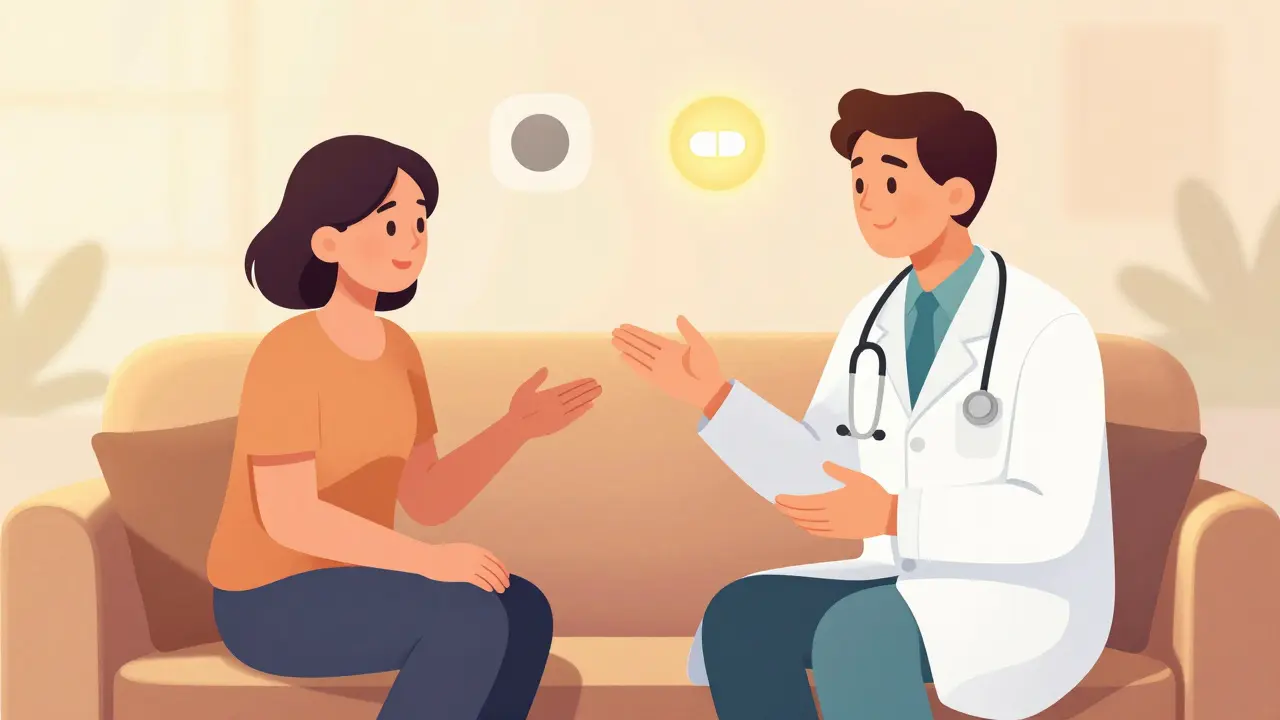
Sexual side effects from medications like antidepressants are common but rarely discussed. Learn how proactive counseling, medication swaps, and simple strategies can help you stay on treatment without sacrificing your sex life.
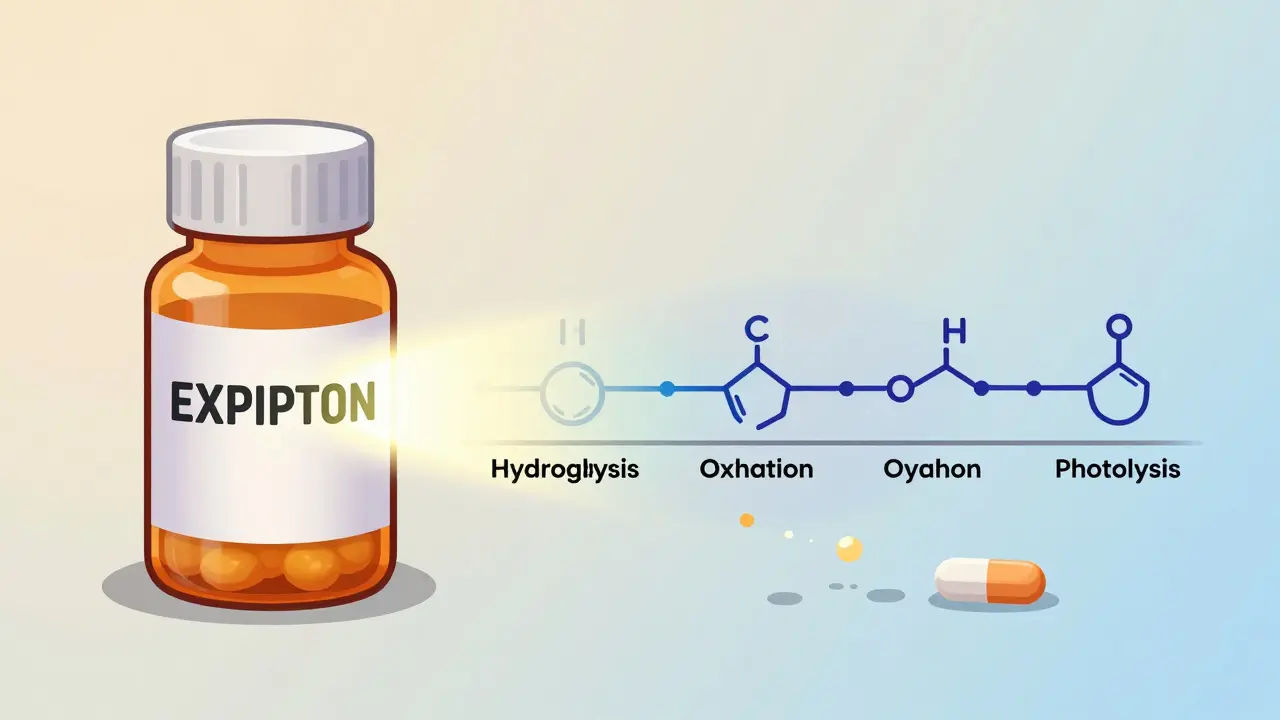
Medications don't suddenly stop working after their expiration date-they gradually lose potency due to chemical breakdown. Learn why some drugs last longer than others and when it's unsafe to use expired medicine.