
Eyelid Dermatitis: Identifying Cosmetic Allergens and Effective Treatment Plans

Have you ever woken up with swollen, itchy eyes that just won’t go away? You might think it’s a bad reaction to pollen, but often the culprit is hiding right in your makeup bag or on your fingertips. This condition, known as Eyelid Dermatitis, is a common inflammatory skin issue affecting the delicate area around your eyes. Unlike standard skin rashes, it requires specific attention because your eyelid skin is incredibly thin-measuring just 0.55 millimeters-making it much more vulnerable to irritation than the rest of your face. If you are dealing with recurring redness or swelling despite changing your routine, understanding the root cause is the first step toward clear skin.
Understanding the Reaction
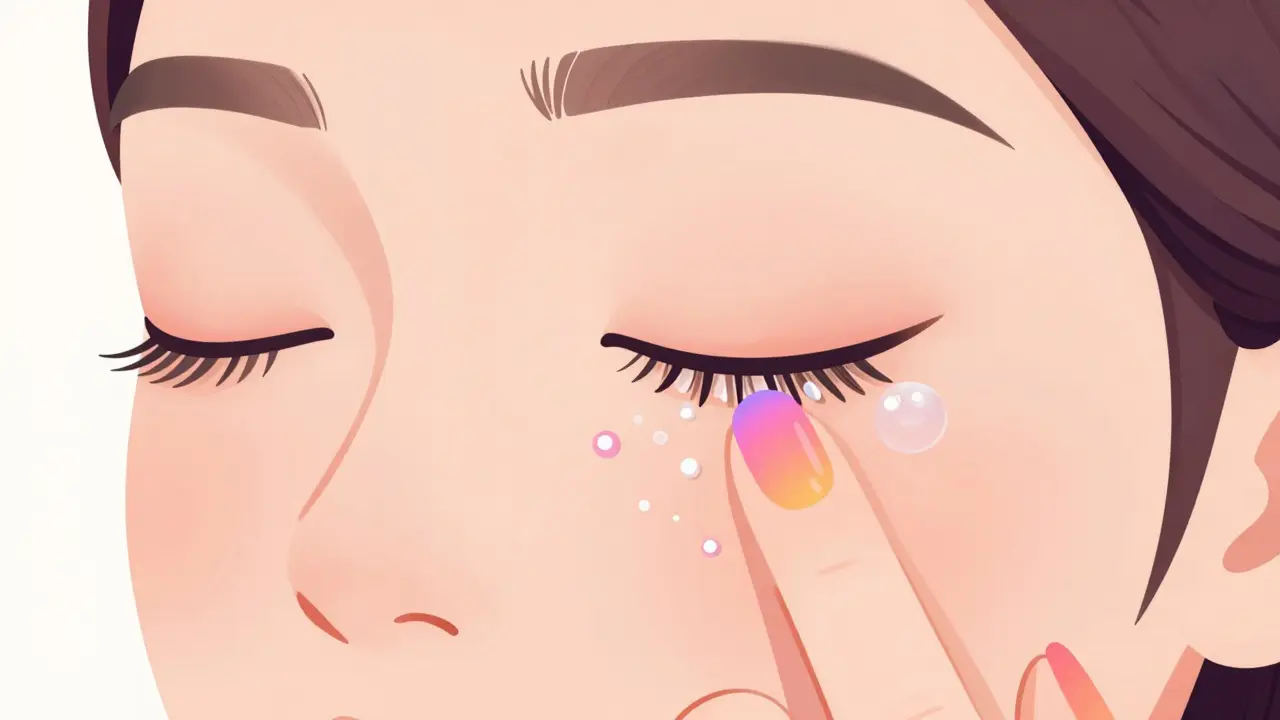
Most cases of eyelid dermatitis fall under a category called Allergic Contact Dermatitis. This is different from an irritant reaction where a harsh chemical burns your skin immediately. Instead, this is an immune system response. When you touch an allergen, your body flags it as dangerous. The symptoms usually do not appear instantly. You typically see redness, itching, and scaling 24 to 48 hours after exposure. This delay often tricks people into blaming something unrelated. For example, you might apply a new foundation on Monday, but the rash appears on Wednesday morning. You might then blame the laundry detergent or stress, when the real trigger was the makeup applied two days prior.
The anatomy of the eyelid plays a huge role here. Because there is so little fat under the skin and the skin layers are thinner, allergens penetrate faster. Furthermore, you unconsciously rub your eyes multiple times a day. Every time you scratch or touch your face, you transfer oils, dirt, and chemicals from your fingers to your eyelids. A study from 2023 noted that about 74% of eyelid dermatitis cases are directly linked to these allergic reactions rather than general dryness or aging.
The Hidden Triggers in Your Routine
Finding the specific substance causing the problem can feel like finding a needle in a haystack. There are over 200 potential allergens found in daily products. Below is a breakdown of the most common offenders that doctors frequently identify during diagnosis.
| Allergen Group | Typical Sources | Frequency Rate |
|---|---|---|
| Nickel | Jewelry, metal tools, magnetic lashes | 28.7% |
| Shellac | Nail polish sealants, varnishes | 21.4% |
| Preservatives | Moisturizers, serums, foundations | 18.9% |
| Fragrances | Scented lotions, perfumes | 14.6% |
| Topical Antibiotics | Ointments, healing creams | 15.3% |
One of the most surprising sources is your nail polish. It sounds strange, but many people develop eyelid issues from shellac resin used in glossy manicures. As soon as you pick up your glasses or rub your nose, that tiny amount of resin transfers to your eyes. Another frequent trigger is fragrances. Even products labeled “natural” often contain botanical oils that act as potent allergens. The Compositae family of plants, often found in essential oils, can trigger reactions in sensitized individuals. While “clean beauty” marketing suggests safety, recent data shows 33% of natural eye products still contain unlisted botanical allergens that cause flare-ups.
Getting an Accurate Diagnosis
You cannot guess your way out of this problem. Clinical history alone identifies the correct trigger in only 37% of cases. That means roughly two-thirds of patients will keep suffering because they never find the source. To solve this, you need a formal assessment called Patch Testing.
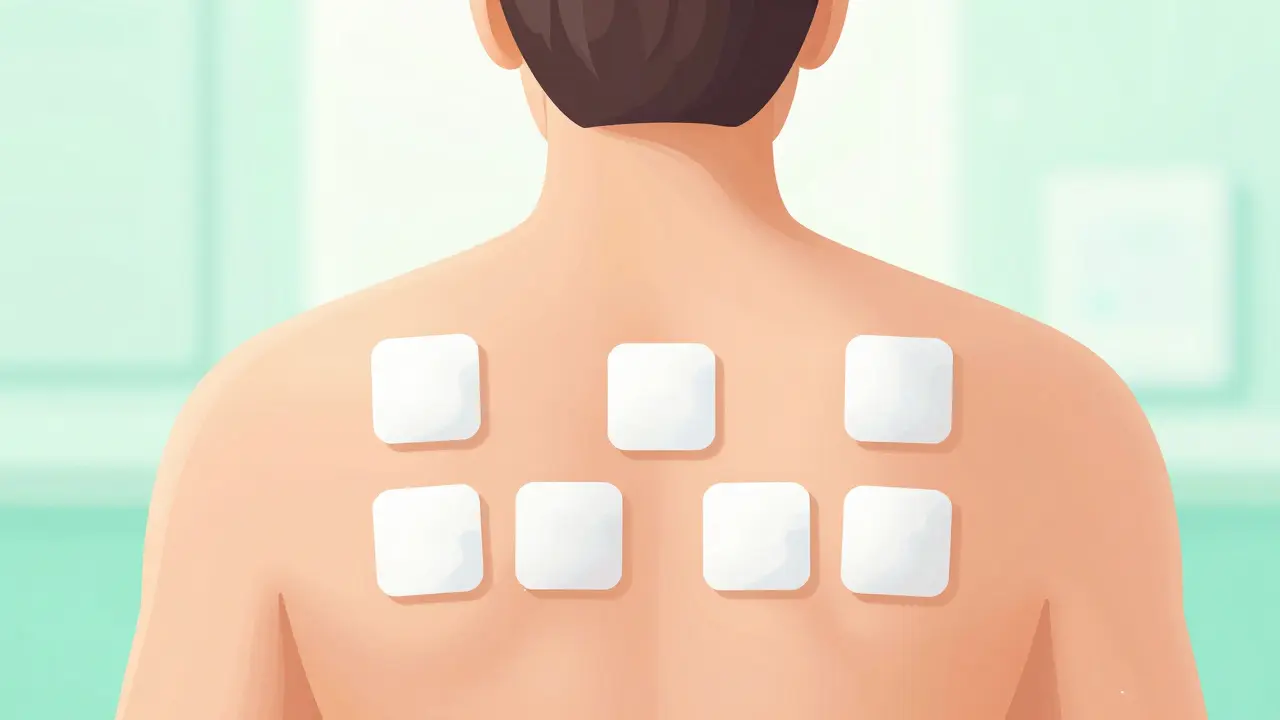
This procedure involves placing small amounts of common allergens on your back using adhesive patches. You wear them for 48 hours before returning for the results. This test has a diagnostic accuracy rate of about 95% when done correctly. It is crucial to visit a dermatologist who specializes in contact dermatitis. Regular skin checks often miss these specific triggers. Some experts recommend adding a supplemental series specifically for ophthalmic products to catch rare cosmetics ingredients. Without this test, you remain in a cycle of guessing which cream or lipstick caused the issue.
Many patients misdiagnose this as eczema or general skin sensitivity. Dr. Matthew Zirwas, a prominent dermatology professor, notes that non-specialists often blame ophthalmic medications incorrectly. They might tell you to stop your eye drops, but the real issue could be a shampoo ingredient running down your face during a shower. Comprehensive testing ensures you don’t spend years avoiding things that aren’t actually hurting you while still using the product that causes the harm.
Treatment Strategies and Safety
Once you identify the allergen, the primary treatment is total avoidance. However, you also need to calm the current inflammation. Standard treatments involve topical corticosteroids, but you must use extreme caution on the eyelids. High-potency steroids can lead to irreversible skin atrophy in as few as 7 to 10 applications. They also carry a risk of increasing eye pressure (glaucoma) or forming cataracts with long-term use.
In late 2022, regulatory bodies approved specific formulations designed for this sensitive area, such as Eysuvis 0.25%. These newer ointments show high symptom resolution rates without the severe side effects associated with older, stronger drugs. Alongside medication, you should apply barrier repairs. Petroleum jelly is often recommended because it contains no active ingredients that can trigger further reactions. It seals the skin barrier and helps it heal naturally.
It is important to note that some patients react to the steroid components themselves. Screening agents like tixocortol pivalate help identify those with secondary allergies. If you suspect a steroid allergy, switch to calcineurin inhibitors like tacrolimus, which do not cause skin thinning. Always discuss the duration of treatment with your doctor. Most acute flares resolve within 1 to 2 weeks of strict avoidance, but chronic cases may take months to fully settle. Patience is key here; pushing to fix it quickly with the wrong products often makes the barrier weaker.
Preventing Future Flare-Ups
Avoidance is not just about stopping one product; it is about auditing your entire skincare ecosystem. Once you know your triggers, you need resources to navigate the market. Databases like the Contact Allergen Replacement Database provide thousands of verified allergen-free alternatives. Apps like “Preservative Finder” allow you to scan barcodes and check ingredients instantly. Reading labels using INCI nomenclature takes practice, but it becomes second nature once you learn to spot complex chemical names like methylisothiazolinone or toluene sulfonamide formaldehyde resin.
Create a “Safe Zone” in your bathroom. Place allergen-free products visibly and hide risky ones or remove them entirely. Remind yourself to wash hands thoroughly before applying anything near your eyes. Even airborne allergens from shampoos or hair dyes can land on the lids, so consider washing your hair face-down in the sink to prevent runoff. By establishing these habits, you protect the thin skin of your eyes from constant re-exposure, allowing the skin barrier to recover its full resilience.
How long does it take for eyelid dermatitis to clear up?
Most patients experience significant improvement within 1 to 2 weeks of identifying and strictly avoiding the specific allergen. However, chronic cases where the skin barrier is severely damaged might take 3 to 6 weeks to fully heal. Immediate symptom relief usually starts within 48 hours of removing the trigger.
Can nail polish really cause eye swelling?
Yes, this is a very common occurrence. Shellac and other resins in nail polish transfer from your fingers to your eyes when you touch your face or adjust your glasses. Up to 42% of suspected cosmetic cases involve indirect exposure from hand products like polish or lotion.
Is patch testing painful?
The procedure is generally painless. Small adhesive strips containing allergens are placed on the upper back. Some people feel mild itching where the allergens sit, similar to a mosquito bite, but the test itself does not hurt.
Are steroid eye drops safe for eyelid dermatitis?
Using oral steroid eye drops is not the primary treatment for skin dermatitis and carries significant risks. Ointments formulated specifically for eyelid skin are safer. You should avoid high-potency creams prescribed for other body parts as they can damage the thin eyelid tissue.
Does switching to organic makeup guarantee safety?
No, natural and organic products can still contain potent allergens. Essential oils and botanical extracts in “clean beauty” lines are frequent triggers. Always check ingredient lists regardless of whether a product claims to be natural.
about author


Victor Ortiz
The truth is that most cosmetic companies hide the real ingredients behind fancy names so you keep buying trash.
Amber Armstrong
I remember when this first started happening to me years ago
It felt like my eyes were burning all the time without any reason
You really cannot believe how frustrating it is to sleep with swollen lids every morning
People always tell you it is stress or allergies but they never dig deeper than that
I spent months trying different brands without knowing why anything triggered the reaction
Eventually I realized my fingers were transferring polish from my nails onto my skin constantly
It sounds so silly now but nobody told me that specific connection clearly before
You have to stop touching your face so much while wearing gloves or doing chores
My dermatologist was patient enough to explain everything slowly without judging my habits
Avoidance takes a lot of mental energy because you have to read labels everywhere you go
I found some natural oils helped soothe the itchiness while the barrier rebuilt itself slowly
We should all support each other through this process instead of blaming victims for sensitive skin
It is exhausting managing daily products but worth it for clear skin eventually
Please know that healing is possible even after years of irritation and inflammation
Just stick to simple ingredients and give your body the time it needs to recover fully
Kendell Callaway Mooney
That is really good advice regarding the nail polish thing
I have seen studies confirming the transfer rate
Keeping hands clean before touching the face helps significantly
The skin barrier repair takes time but consistency matters more than quick fixes
Petroleum jelly works well as a safe barrier option for everyone
It blocks the irritants effectively without adding new chemicals
Many people forget that hand lotions can contain preservatives too
Checking ingredient lists becomes easier once you know what to look for
Stay consistent with the routine you establish for yourself
Hope you feel better soon with these changes
Charles Rogers
Most patients fail because they lack basic discipline in their daily hygiene routines
You cannot expect health results if you continue using cheap products full of toxins
Ignorance costs money in the long run when you buy unnecessary medicated creams
A proper diet often supports skin health better than topical ointments alone
People tend to complain about symptoms rather than fixing the lifestyle causing them directly
Patch testing reveals truths that lazy individuals refuse to learn through self observation
Steroids are dangerous tools that should only be handled by professionals properly
Self medication is a terrible habit that ruins the delicate tissue around the eyes permanently
You see people using heavy makeup while having active rashes and wonder why it persists
Discipline requires stopping the trigger immediately without waiting for symptoms to fade naturally
Reading labels takes effort but skipping that step guarantees repeated flare ups next week
Natural products are not inherently safe just because they come from plants originally
Essential oils are potent chemicals that cause reactions in sensitized systems frequently
Stop trusting marketing claims made by companies selling beauty products for profit
True management of this condition demands strict adherence to avoidance strategies without exception
Vikash Ranjan
You say that but many people have genetic predispositions that no amount of discipline fixes entirely
Lifestyle is part of it but genetics play a huge role in immune responses too
Judging others for their medical issues does not help anyone improve their situation objectively
Some triggers are airborne and unavoidable regardless of how clean you keep your hands
We live in environments filled with pollution that affects skin barriers beyond personal control
Cameron Redic
Exactly, the science is usually buried under corporate lobbying and fake safety standards
RONALD FOWLER
it is good to hear about alternatives for those dealing with chronic issues
finding what works takes time and patience
supporting each other online helps reduce the feelings of isolation during flareups
everyone deserves access to care that addresses the actual problem source
hope this information helps someone find relief today
Biraju Shah
Stating that everyone deserves care ignores the reality of healthcare access limitations in many areas.
Marwood Construction
The correlation between nickel exposure and eyelid inflammation is well documented in recent literature
Regulatory frameworks currently lag behind emerging chemical risks identified in patch testing databases
Consumers require standardized labeling to identify potential allergens within complex formulations effectively
Medical intervention remains the primary path toward resolution for severe chronic cases
Continued research into barrier repair mechanisms offers promising outcomes for long term management