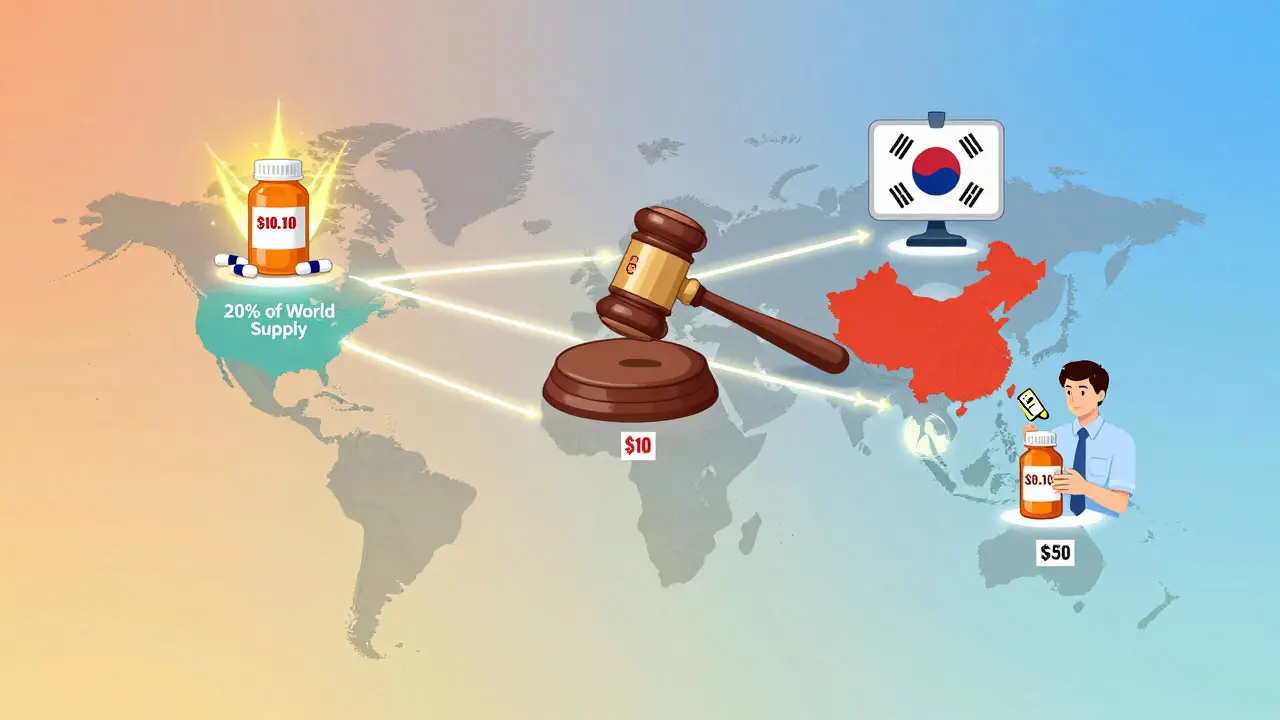
Countries worldwide use wildly different strategies to make generic drugs affordable - from China's auction system to South Korea's quality tiers. This article breaks down what works, what fails, and who pays the price.

When you hear generic drugs, medications that contain the same active ingredients as brand-name drugs but are sold under their chemical name. Also known as generic medications, they are approved by the FDA to work the same way, in the same amount, and with the same safety profile as their brand-name counterparts. Yet many people still worry they’re getting less—less power, less quality, less care. That’s not true. A 2022 FDA review found that 99% of generic drugs perform identically to brand names in clinical use. The only real difference? The price tag. Generic drugs typically cost 80-85% less. That’s not a rumor. It’s fact.
So why do brand-name drugs cost so much? Because the company that invented it paid millions to develop it, run trials, and get approval. Once the patent expires, other companies can make the same drug without repeating all that work. They don’t need to prove it works again—they just need to prove it’s the same. That’s why FDA approval, the process that ensures generic drugs meet strict standards for identity, strength, quality, and purity matters. It’s not a stamp of approval for cheapness—it’s a guarantee of equivalence. And when you look at drug equivalence, the scientific standard that proves a generic drug performs just like its brand-name version in the body, you see why doctors prescribe generics for everything from high blood pressure to depression to diabetes. You’re not sacrificing anything. You’re just paying less.
Some people worry about inactive ingredients—fillers, dyes, coatings. Those can vary between brands and generics, and in rare cases, they might cause minor reactions like stomach upset or skin irritation. But they don’t change how the medicine works. If you’ve had a reaction to a generic, talk to your pharmacist. It’s not the active drug—it’s probably a dye or binder. And if you’re buying online, make sure the pharmacy is licensed. You don’t need to pay extra for a brand name when a generic does the same job. Look at the posts below: you’ll find real guides on buying generic Claritin, Metformin, and Paxil safely online. You’ll see how people manage side effects, compare costs, and avoid scams. You’ll learn how to check if your medication is in short supply, how to talk to your doctor about switching, and why some generics are better for your body than others. This isn’t about cutting corners. It’s about making smart choices. And you’re about to see exactly how to do it.
Countries worldwide use wildly different strategies to make generic drugs affordable - from China's auction system to South Korea's quality tiers. This article breaks down what works, what fails, and who pays the price.
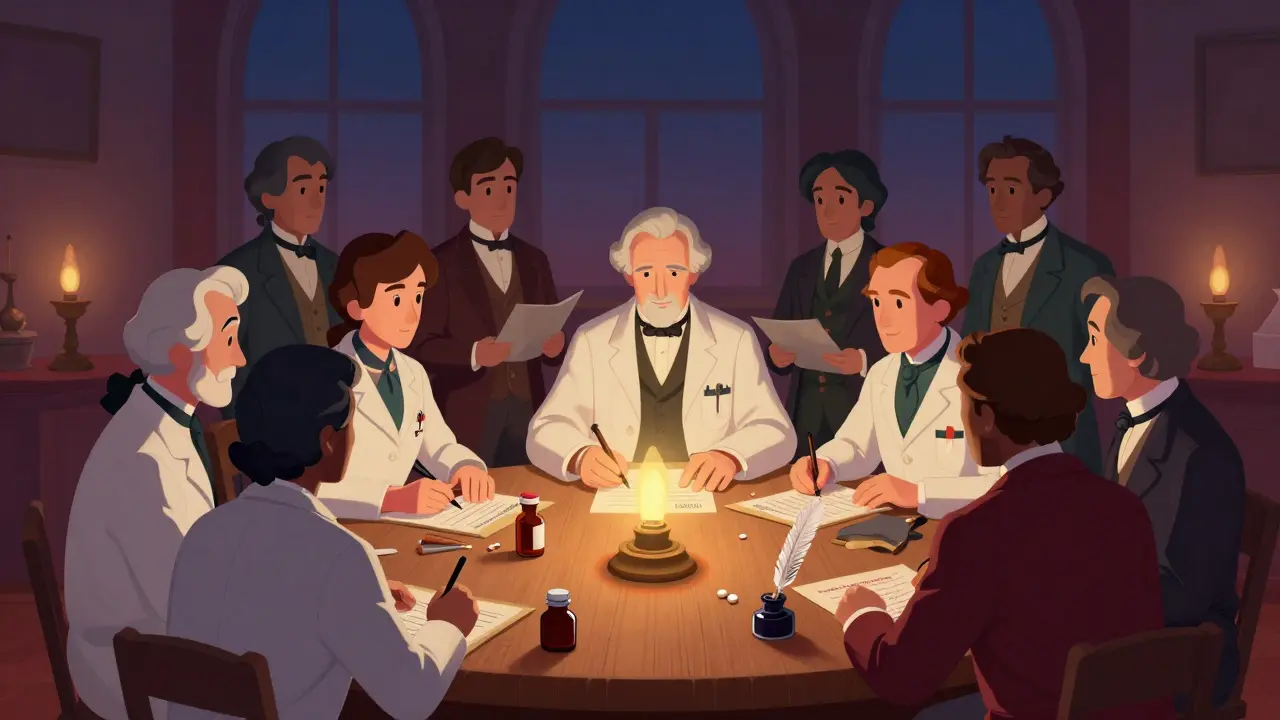
Discover how generic drugs went from rare exceptions to 90% of U.S. prescriptions. Learn about the Hatch-Waxman Act, FDA reforms, and how generics saved over $3.7 trillion in healthcare costs.
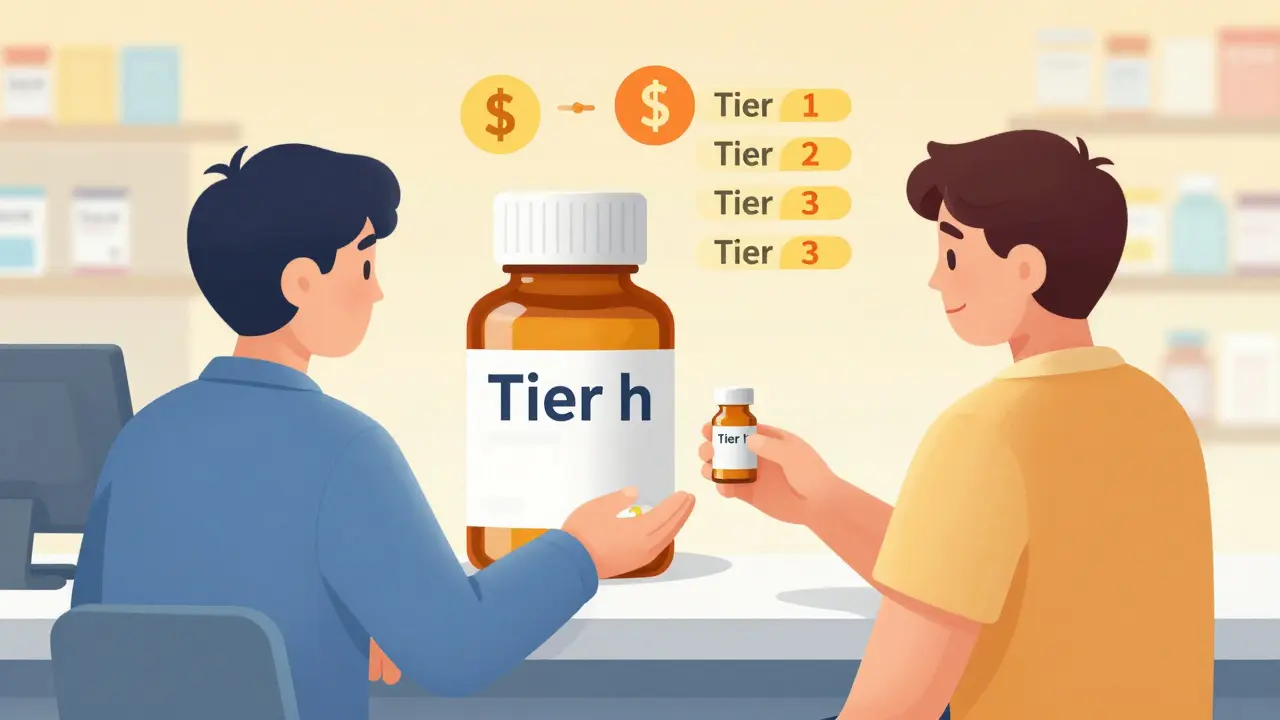
Learn how insurance formularies treat generic vs brand-name drugs, what you really pay, when substitutions happen, and how to fight for the right medication if generics don't work for you.
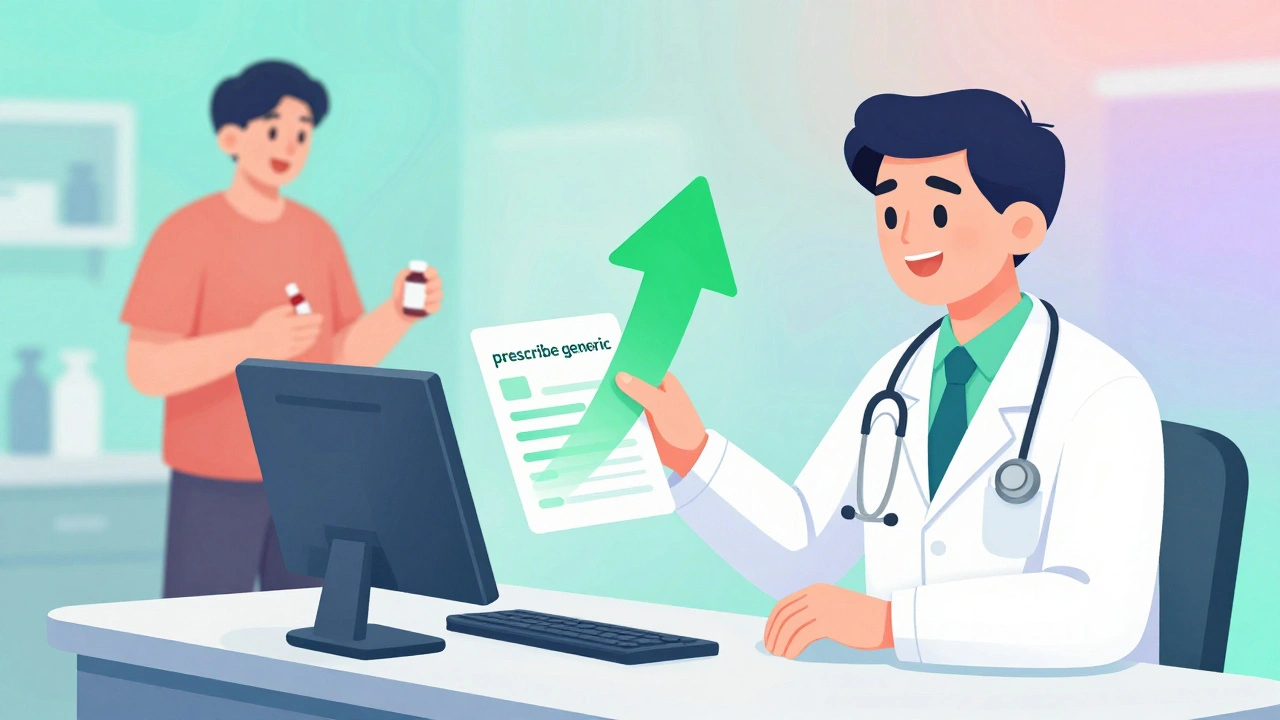
Generic prescribing incentives reward doctors for choosing lower-cost generic drugs, saving billions in healthcare spending. But how do these programs really work-and when do they risk compromising care?
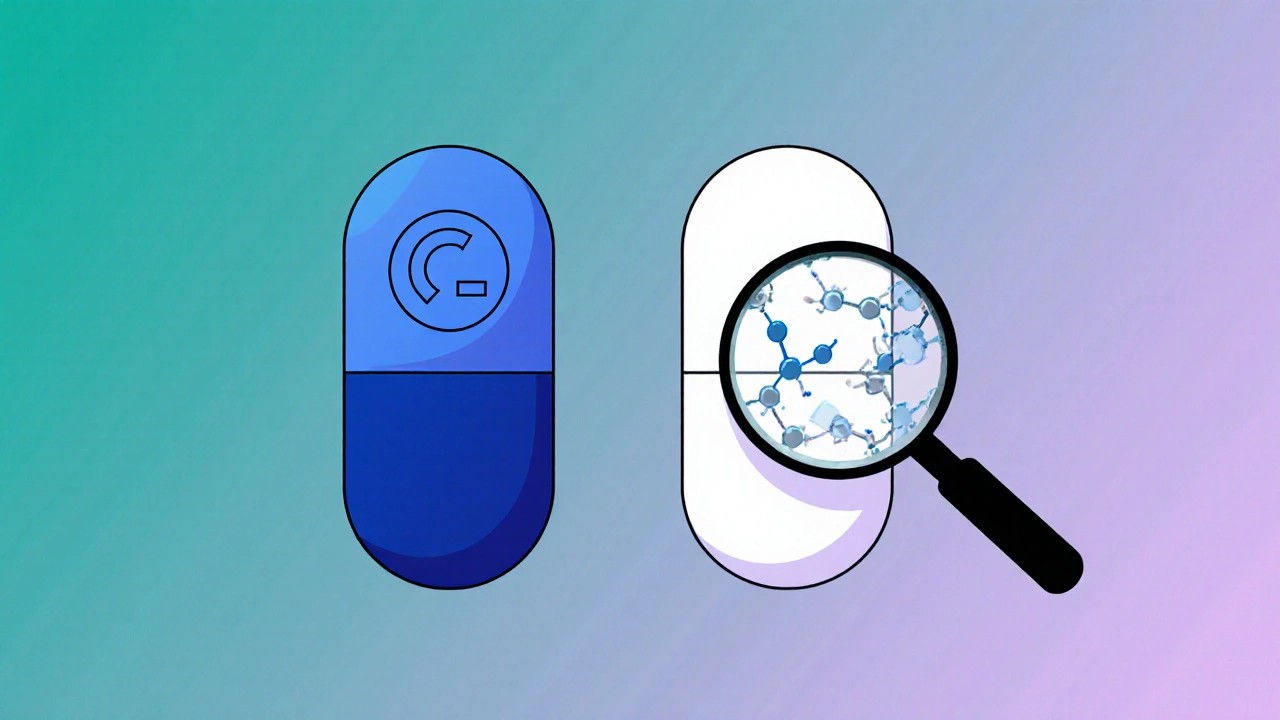
Generic drugs look different from brand-name pills because U.S. trademark laws require visual distinction to protect brand identity. But the medicine inside is identical. Here's why this rule exists - and how to stay safe when your pill changes.