
Compounding Pharmacies: Alternatives When Drugs Are Unavailable
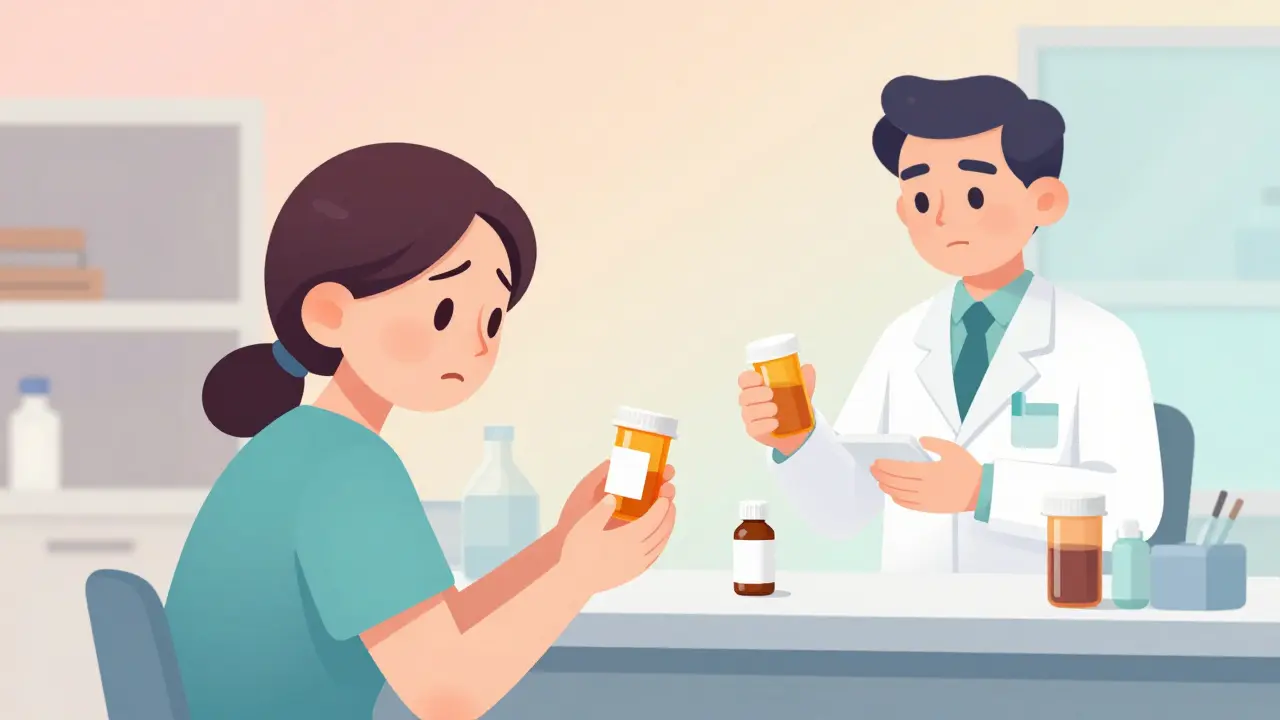
Every year, over 300 drugs disappear from U.S. shelves due to shortages. For patients needing these medications, the situation can be stressful and dangerous. But there's a solution many don't know about: compounding pharmaciesSpecialized pharmacies that create customized medications by combining, mixing, or altering ingredients to meet individual patient needs.. These pharmacies step in when standard FDA-approved drugs aren't available or suitable, offering critical alternatives for people with unique health needs.
What Are Compounding Pharmacies?
Compounding pharmacies differ from regular drugstores. While most pharmacies dispense pre-made medications, compounding pharmacies craft personalized prescriptions from scratch. They work with raw ingredients to create specific formulations that aren't commercially available. For example, a patient allergic to dyes in a standard pill might get a dye-free version made into a liquid. Or a child unable to swallow pills could receive a flavored gel. According to the FDA, these pharmacies play a vital role when "an FDA-approved drug is not medically appropriate to treat them."
They operate under strict regulations. The U.S. Pharmacopeia's USP <795>Guidelines for non-sterile compounding procedures. and USP <797>Guidelines for sterile compounding procedures. set standards for safety and quality. Pharmacies must follow these to ensure their products are safe and effective. Over 7,500 U.S. pharmacies specialize in compounding, with at least 32,000 offering some form of compounding services.
When Do You Need Them?
Compounding pharmacies step in for several common scenarios. Let's look at real examples:
- Allergies and sensitivities: About 15-20% of people react to ingredients like gluten, lactose, or dyes in commercial drugs. A compounding pharmacist can remove these allergens. For instance, a patient with a severe dye allergy might get a custom pill without any colorants.
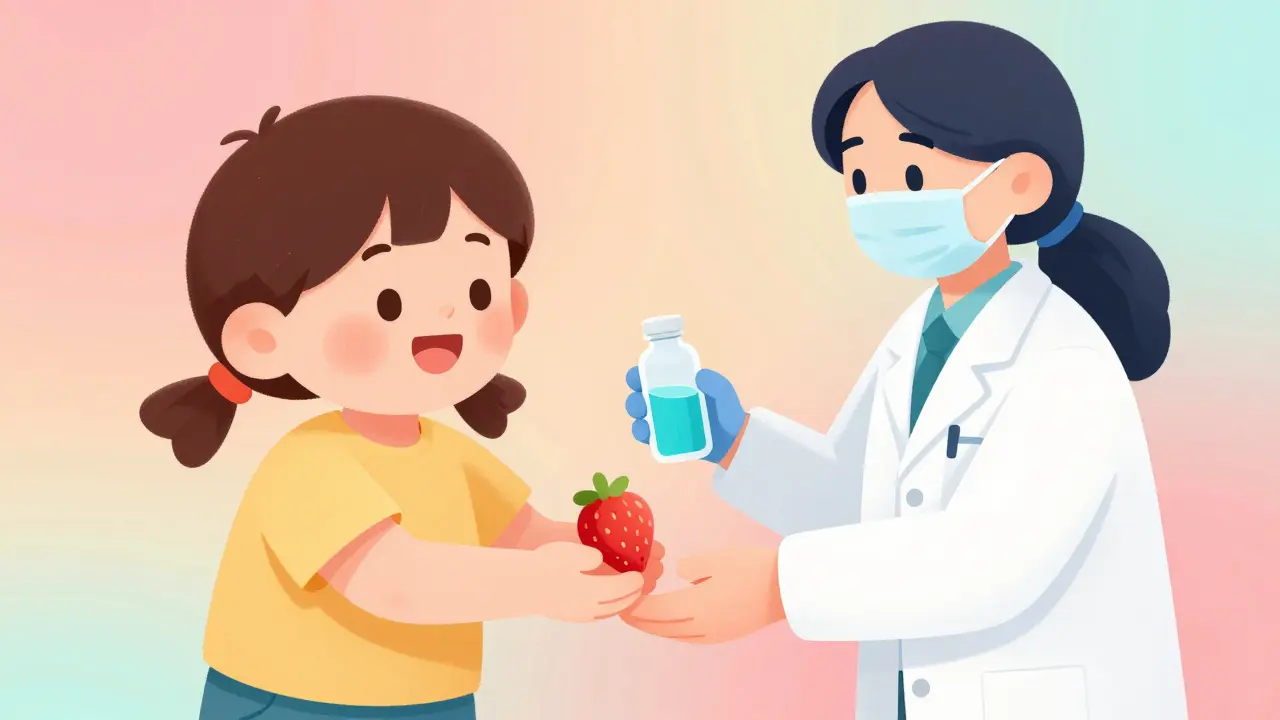
- Pediatric needs: Forty percent of children struggle to swallow pills. Compounding pharmacies create flavored liquids or gels. A parent might get strawberry-flavored amoxicillin instead of bitter tablets.
- Geriatric challenges: Thirty percent of elderly patients have difficulty swallowing. Customized solutions like topical creams or dissolvable troches make medication easier to take.
- Specific dosage requirements: Sometimes a patient needs a dose not available commercially. A compounding pharmacy can precisely measure micrograms or milligrams for exact needs, like a lower dose for a child or a higher dose for a chronic condition.
These tailored solutions improve adherence and treatment success. A 2023 NCBI study showed 85% better adherence rates for patients using compounded medications due to allergies or dosage issues.
How They Solve Common Medication Problems
Compounding pharmacies tackle issues that standard drugs can't. Take hormone therapy: many patients need specific estrogen or testosterone doses. Commercial products often come in fixed strengths. A compounding pharmacy can create a cream with the exact hormone concentration needed. Similarly, pain management patients might get a topical gel instead of oral pills to avoid stomach issues.
For patients with rare conditions, compounded medications can be life-changing. A 2022 survey by the International Academy of Compounding Pharmacists found 89% of patients would recommend compounded medications to others with similar needs. One Reddit user shared a case where a compounded topical finasteride reduced side effects for hair loss treatment from 32% to 8% incidence.
These pharmacies also handle drug shortages. When a manufacturer can't produce enough of a drug, compounding pharmacies step in. The FDA reports 300-400 drug shortages each year in the U.S., making compounding a critical backup. During the 2022 shortage of a common antibiotic, compounding pharmacies provided alternatives for thousands of patients.
What to Expect When Getting a Compounded Prescription
Getting a compounded prescription involves a few steps. First, your doctor must identify a need that commercial drugs can't address. They'll then write a specific prescription for the compounding pharmacy. The pharmacist reviews it, checks feasibility, and prepares the medication.
Preparation time varies. Non-sterile compounds usually take 24-72 hours. Sterile compounds (like IV solutions) require extra time for safety checks. You'll likely pay more out-of-pocket. About 45% of patients report full out-of-pocket costs for compounded medications compared to 15% for standard prescriptions. Check with your insurance first-coverage varies widely.
Always verify the pharmacy's credentials. Look for Pharmacy Compounding Accreditation Board (PCAB)An accreditation body that ensures compounding pharmacies meet high-quality standards. certification. Only about 1,200 of the 7,500 specialized compounding pharmacies in the U.S. have this accreditation. It's a sign they follow strict safety protocols.
Finding a Trusted Compounding Pharmacy
Not all compounding pharmacies are equal. Here's how to find a reliable one:
- Check for PCAB accreditation. Visit their website to search for accredited pharmacies in your area.
- Ask about their process. A trustworthy pharmacy will explain their quality control steps, like stability testing and batch testing.
- Verify their experience. Ask how long they've been compounding and if they handle your specific condition (e.g., hormone therapy or pediatric needs).
- Read reviews. Look for patient testimonials on health forums or pharmacy review sites.
- Confirm insurance coverage. Some pharmacies work with insurers; others require payment upfront.
Pharmacists at these pharmacies spend 25-35% more time per prescription than standard ones. This extra care ensures accuracy and safety. They'll also answer your questions clearly and involve you in the process.

Key Considerations and Limitations
While compounding pharmacies are invaluable, they have limits. They can't create complex biologics like insulin or monoclonal antibodies. These require specialized manufacturing processes beyond compounding capabilities.
Regulatory boundaries matter too. The FDA emphasizes compounding should only happen when FDA-approved drugs aren't appropriate. Dr. Robert Smith of the National Community Pharmacists Association notes that "approximately 15% of compounded prescriptions could have used commercially available products, creating unnecessary risk."
Also, compounding pharmacies don't replace FDA approval. They're meant as a last resort when standard options fail. For example, if a drug shortage is temporary, the FDA might prioritize resolving the shortage instead of relying on compounding. Always discuss with your doctor whether a compounded medication is truly necessary.
Despite these limits, the market is growing. Valued at $11.2 billion in 2022, it's projected to reach $15.8 billion by 2027. Demand is rising due to persistent shortages and personalized medicine trends.
Frequently Asked Questions
Are compounded medications covered by insurance?
Insurance coverage varies. About 45% of patients pay out-of-pocket for compounded medications, while 15% of standard prescriptions require out-of-pocket costs. Some insurers cover compounded drugs if they're medically necessary, but you'll need pre-authorization. Always check with your insurance provider before proceeding.
How long does it take to get a compounded prescription?
Typically 24-72 hours for non-sterile compounds. Sterile compounds (like IV solutions) may take longer due to additional safety checks. Urgent cases might be prioritized, but it's best to plan ahead.
Can compounding pharmacies replace any unavailable drug?
No. Compounding pharmacies can't replicate complex biologics, vaccines, or medications requiring specialized manufacturing. They also can't create drugs that are unsafe to compound. For example, insulin or monoclonal antibodies must be made by the original manufacturers.
What's the difference between 503A and 503B compounding pharmacies?
503A pharmacies are traditional compounding pharmacies that make medications for specific patients based on prescriptions. 503B outsourcing facilities produce larger quantities of compounded drugs for distribution to pharmacies or hospitals, often in response to shortages. They follow stricter FDA regulations than 503A pharmacies.
How do I know if my compounding pharmacy is safe?
Check for PCAB accreditation, which ensures high-quality standards. Also, ask about their quality control processes, like batch testing and stability studies. Reputable pharmacies will happily explain their safety protocols and provide documentation.
about author

Nancy Maneely
Compounding pharmacies are great for Americans but the FDA should regulate them more. Some of these pharmacies are just scammng people. Like that one in Texas that made fake insulin. We need stricter rules to protect real Americans. Not all compounding pharmacies are legit. They should only be used when there's no other choice. Otherwise, the big pharma companies should make more drugs. This country needs to stop relying on foreign meds. We should make all drugs here. Compounding is okay but not for everything. Some people use it to get weird meds that aren't even needed. Like that guy who wanted a custom hormone cream for no reason. The FDA should step in.
Phoebe Norman
Compounding pharmacies address pharmacokinetic variances through bespoke formulations which mitigate adverse effects when standard pharmaceuticals fail They're essential for pediatric and geriatric patients with specific needs The USP guidelines ensure quality but enforcement is inconsistent Many compounding pharmacies lack proper oversight leading to unsafe products It's a systemic issue requiring regulatory reform The FDA's role is ambiguous in this space Compounding pharmacies should be classified as manufacturing facilities to enforce stricter standards This would improve safety but increase costs Patients should be informed of the risks Insurance coverage is poor for compounded medications The current system is flawed but necessary We need better integration with mainstream healthcare Without compounding pharmacies many would suffer It's a complex issue with no easy solution
Danielle Vila
Compounding pharmacies are a front for Big Pharma to control the market! They're not really about helping patients but about creating monopolies. Did you know that the FDA allows these pharmacies to operate without proper oversight? It's all a scam. They're making dangerous drugs that cause more harm than good. I've heard stories of people getting sick from compounded meds. The government is in cahoots with these pharmacies. They're just a way for big pharma to bypass regulations. You should check out this article I found online about how they're secretly testing new drugs on patients. It's all about profit, not health. The real solution is to shut them down and force pharma to make all drugs available. They're hiding something. I've been researching this for years and the evidence is clear. These pharmacies are dangerous and should be shut down immediately. Don't trust them!
Thorben Westerhuys
Compounding pharmacies, are, absolutely, essential, for, patients, with, allergies, and, special, needs! They, provide, life-saving, medications, when, standard, options, are, unavailable! However, the, FDA, must, enforce, stricter, regulations, to, prevent, unsafe, practices! I, have, a, friend, who, was, helped, by, a, compounding, pharmacy, but, also, heard, horror, stories! It's, a, double-edged, sword, with, both, benefits, and, risks! We, need, more, transparency, and, oversight, to, ensure, safety! This, is, a, critical, issue, for, public, health, and, must, be, addressed, immediately!
Laissa Peixoto
Compounding pharmacies play a vital role in healthcare, especially for those with unique medical needs. They bridge the gap when standard medications aren't suitable. However, it's crucial to balance their use with proper regulation. The FDA's guidelines are there for a reason, but enforcement varies. It's interesting how compounding pharmacies adapt to patient needs, like creating dye-free pills for allergies. But there's also the risk of unregulated pharmacies cutting corners. I think the key is education for both doctors and patients. Knowing when to use compounding versus standard drugs is important. Insurance coverage is a hurdle, but for many, it's worth the cost. The future of personalized medicine might include more compounding, but only when necessary. It's a delicate balance between innovation and safety. We should support these pharmacies while ensuring they meet high standards. For now, they're a lifeline for many. They've helped millions of patients who would otherwise struggle to get the right medication. It's not just about allergies or dosage issues; it's about personalized care that can save lives. However, we must be vigilant about quality control. Some pharmacies cut corners to save time or money, which is dangerous. The PCAB accreditation is a good start, but more oversight is needed. Patients should always verify their pharmacy's credentials. This is a critical issue for public health. The system isn't perfect, but with proper regulation, compounding pharmacies can be a safe and effective solution. We need to ensure that doctors and pharmacists work together to make the best choices for patients. It's not a one-size-fits-all solution, but for those who need it, it's invaluable.
Cullen Bausman
Compounding pharmacies are necessary for Americans when drugs are unavailable. However the FDA should ensure they meet strict standards. Big Pharma is not the enemy here. We need domestic production of essential drugs. Relying on foreign compounding pharmacies is risky. The US must prioritize its own pharmaceutical industry. These pharmacies should be regulated but not banned. It's about national security. Patients deserve safe medications. The government should support domestic compounding pharmacies. This is not about politics but about health. We must ensure quality control. The current system has flaws but compounding is a good option. However it should not replace standard FDA-approved drugs. We need better oversight to prevent fraud. The American people deserve safe and reliable medications.
Cole Streeper
Compounding pharmacies are a scam run by Big Pharma to control the market. They're not safe and the FDA knows it. They're secretly testing dangerous drugs on patients. I've seen reports of people getting sick from compounded meds. The government is in on it. They want us to rely on these pharmacies so they can control healthcare. We need to shut them down now. This is a conspiracy to keep people dependent on expensive drugs. The real solution is to make all drugs available in the US. Stop trusting these pharmacies. They're dangerous. The FDA should ban them immediately. It's all about profit, not health. I've done my research and this is clear. Don't fall for it.
Dina Santorelli
Compounding pharmacies are great for some cases but they're not a solution for drug shortages. The FDA should fix the shortages instead of relying on compounding. Most of these pharmacies are unregulated and dangerous. I've seen too many cases of bad batches causing harm. It's not about helping patients; it's about making money. The FDA is asleep at the wheel. They should regulate these pharmacies properly. Instead, they let them operate without oversight. It's a disaster waiting to happen. People are getting hurt because of this. The real problem is the lack of drug manufacturing in the US. We should be making drugs here, not outsourcing to compounding pharmacies. This whole system is broken. It's time to fix it.
Carl Crista
Compounding pharmacies are a tool for Big Pharma to control the market. The FDA allows them to operate without proper oversight. They're creating unsafe drugs that harm patients. I've seen reports of contaminated batches. The government is in cahoots with these pharmacies. It's all about profit. The real solution is to ban them. We need domestic drug production. The FDA should enforce stricter rules. This is a conspiracy to keep people dependent on expensive drugs. Don't trust compounding pharmacies. They're dangerous. The system is broken. We need to shut them down immediately.
Joyce cuypers
Compounding pharmacies save lives when standard drugs are unavailable.
Lisa Scott
Compounding pharmacies are a front for Big Pharma. They're not safe. The FDA is complicit. They're creating dangerous drugs. I've seen cases of contamination. The government is in on it. It's all about profit. They're not regulated properly. The FDA should ban them immediately. This is a conspiracy to control healthcare. Patients are being harmed. We need to shut them down. The real solution is domestic drug production. The system is broken. It's time to act.
Tehya Wilson
Compounding pharmacies present a complex issue within the healthcare system. They serve a necessary function but regulatory oversight is insufficient. The FDA must enforce stricter standards to prevent unsafe practices. Reliance on compounding pharmacies may indicate systemic failures in drug manufacturing. It is imperative that these pharmacies meet rigorous quality controls. The current regulatory framework is inadequate. Patients deserve safe and effective medications. The government should prioritize domestic pharmaceutical production. This issue requires immediate attention. The status quo is unacceptable.
Elliot Alejo
Compounding pharmacies fill an important gap when standard drugs aren't available. They're especially helpful for patients with allergies or special needs. However, proper regulation is crucial. The FDA guidelines are a good start but enforcement varies. It's important to choose a reputable pharmacy with PCAB accreditation. Insurance coverage is a challenge but worth it for those who need it. Overall, they're a valuable resource when used correctly. We should support their role in healthcare while ensuring safety standards.
Albert Lua
Compounding pharmacies are a global solution for personalized medicine. They help patients worldwide with unique needs. In the US, they're vital for drug shortages. But other countries have similar systems. It's amazing how they adapt to local needs. Different cultures have different medication requirements. Compounding pharmacies bridge those gaps. They're part of a larger trend toward personalized healthcare. This is a positive development for global health. It's important to share knowledge about them. We should celebrate their role in healthcare. They save lives every day. Let's support these pharmacies and ensure they're safe.