Zone Classification: Understanding Drug Safety Zones and Regulatory Categories
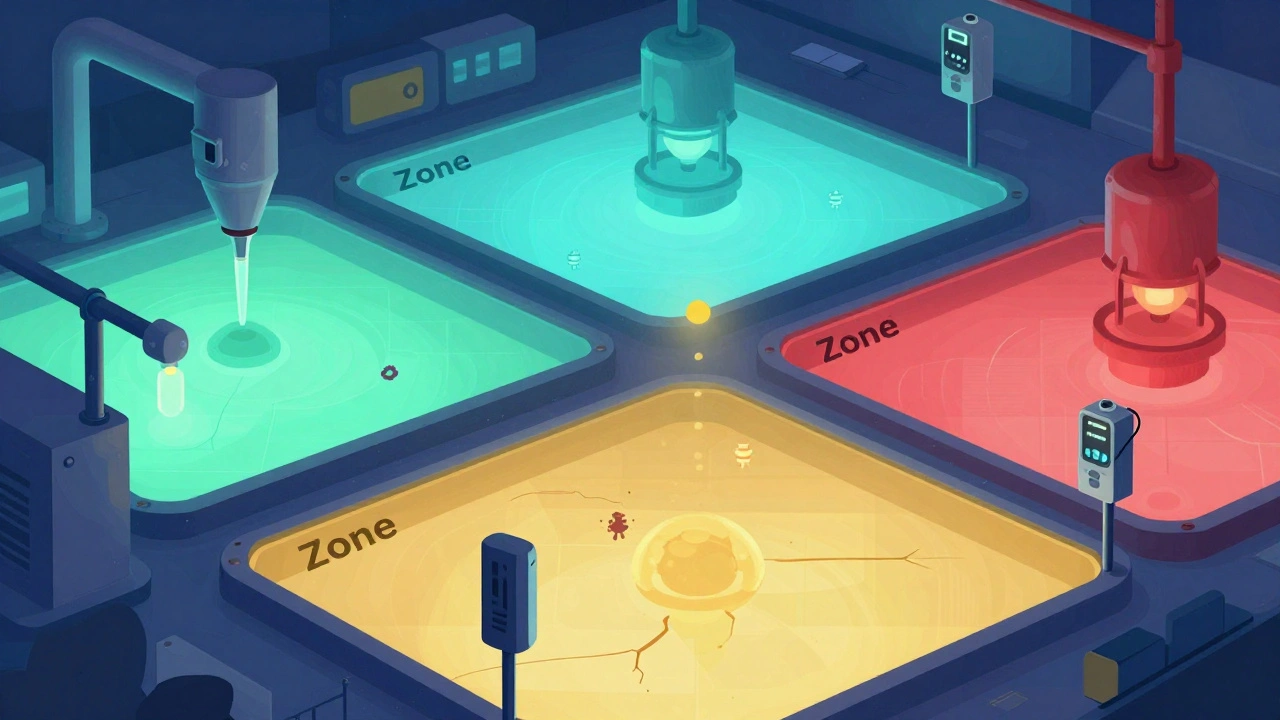
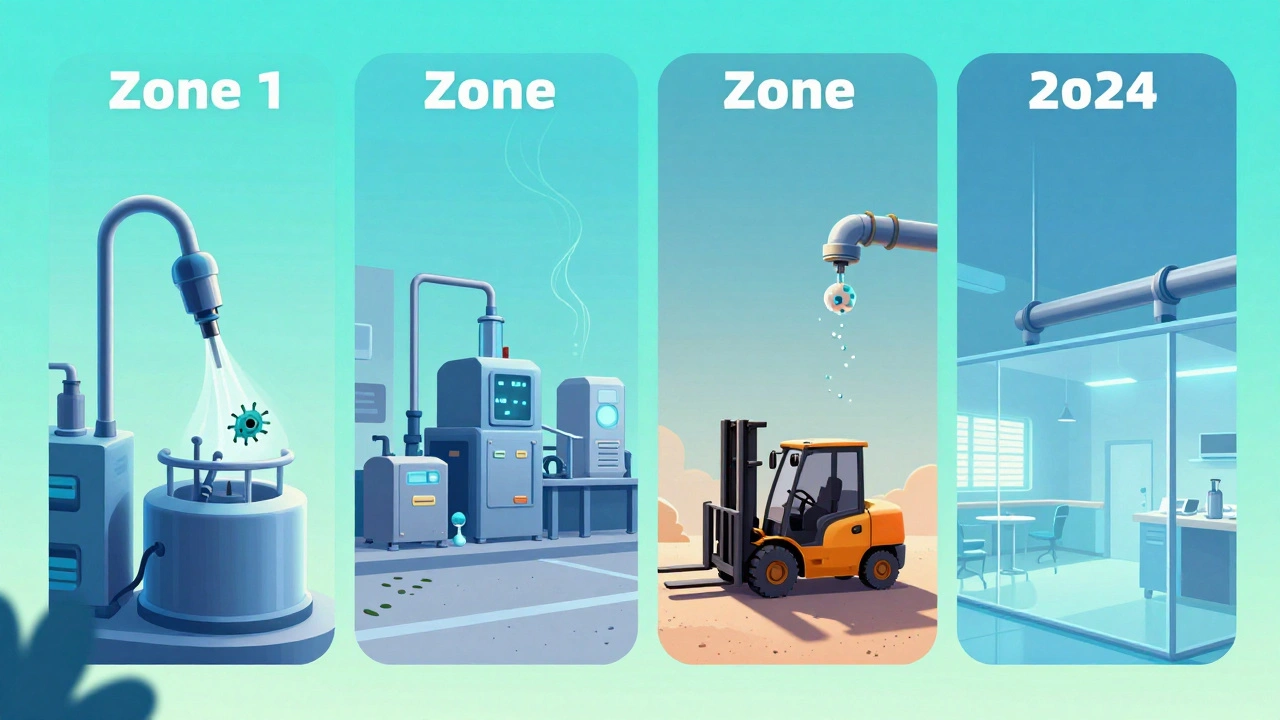
When you hear zone classification, a system used by health regulators to group medications by risk, storage needs, and access controls. Also known as drug zoning, it's not just paperwork—it's what keeps dangerous drugs locked away and essential ones easy to get when you need them. Think of it like traffic lights for medicine: red means restricted, yellow means caution, green means okay to use. This system shapes everything from how your local pharmacy stores pills to why some drugs need a special prescription.
Zone classification ties directly to controlled substances, drugs with high abuse potential that are tightly tracked by law. These include opioids, sedatives, and stimulants—medicines that can save lives but also cause harm if misused. In the U.S., the DEA handles this, while the FDA and state boards add their own rules. Then there’s pharmacy compliance, the daily work pharmacists do to follow zone rules, from locking up narcotics to verifying prescriptions. And don’t forget medication regulation, the broader framework that decides which drugs go where based on safety data, side effects, and real-world use. These aren’t abstract ideas—they’re why your insulin stays in the fridge, why your painkiller needs a signature, and why some meds can’t be refilled without a new visit.
Look at the posts here: they’re all connected to zone classification, even if it’s not in the title. When you read about generic drug safety, you’re seeing how the FDA ensures generics meet the same zone rules as brand names. When you see advice on storing meds away from children, that’s zone classification in action—keeping high-risk drugs out of reach. Even emergency medication kits follow zone logic: you pack what’s safe to have on hand, not everything you take daily. Counterfeit drugs break zone rules entirely—they slip into grey zones where regulation doesn’t reach. And when pharmacists fight prior authorization for generics, they’re navigating a system built on zone-based coverage policies.
Zone classification isn’t about bureaucracy. It’s about making sure the right drug gets to the right person, at the right time, with the right safety net. Whether you’re managing your own meds, caring for someone else, or just trying to avoid a bad reaction, understanding how these zones work gives you power. Below, you’ll find real stories and practical guides from people who’ve dealt with these systems firsthand—from emergency prep to switching meds safely. No fluff. Just what you need to know to stay safe and informed.