Insurance for Counterfeit Drug Risks: Coverage Guide for Pharma Supply Chains
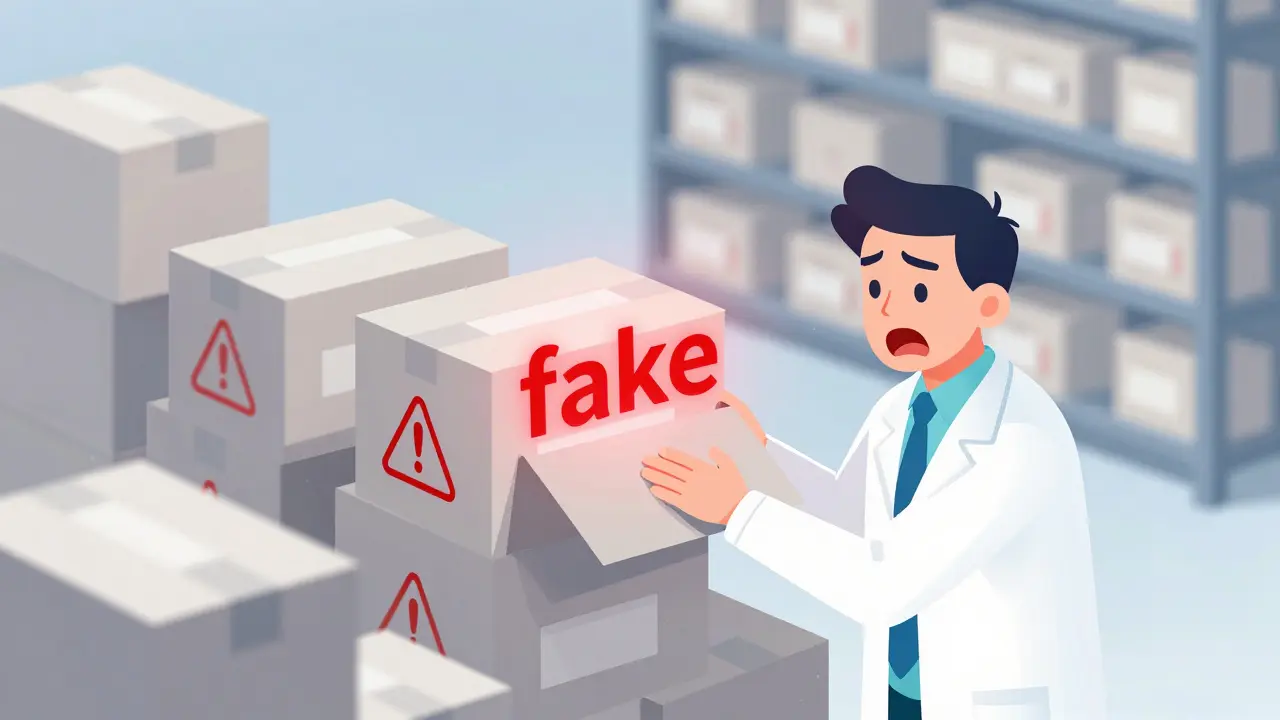
Imagine running a pharmaceutical distribution hub and discovering that a massive shipment of life-saving medication is actually a batch of sophisticated fakes. You didn't know, your suppliers didn't know, but the drugs are now in the system. In an instant, your company faces a nightmare: patients are harmed, regulators are knocking on your door, and the financial liability is astronomical. This is the reality of the counterfeit drugs market, an illicit industry estimated by Bristol Myers Squibb to be worth roughly $200 billion a year.
For most companies in the pharmaceutical chain, the question isn't just "how do we stop fakes?" but "who pays when we fail?" While technology helps, the risk can never be zero. That is where specialized insurance protections come in. But insurance isn't a blank check; it depends entirely on your intent, your due diligence, and how well you follow specific legal frameworks.
Quick Takeaways: Insurance and Falsified Meds
- Core Coverage: Most companies rely on professional and product liability, as well as errors and omissions (E&O) insurance.
- The "Good Faith" Requirement: Coverage generally only applies if the company was unaware of the counterfeit and had no intent to defraud.
- Regulatory Impact: Compliance with laws like the DSCSA significantly alters your risk profile and insurance eligibility.
- High-Risk Areas: Oncology drugs (like Keytruda or Avastin) are frequently targeted by counterfeiters, creating specific liability hotspots.
How Insurance Actually Covers Counterfeit Risks
If you are moving medicine, you aren't just insuring against a truck crashing; you are insuring against the integrity of the product itself. Product Liability Insurance is coverage that protects a company if a product they manufactured or sold causes injury or death to a consumer. When a patient takes a falsified drug-which the World Health Organization is the specialized agency of the United Nations responsible for international public health defines as medical products that fraudulently misrepresent their identity or source-the resulting lawsuit often triggers this policy.
However, there is a massive caveat. According to experts like Laura Sunderlin from Beazley, insurance companies typically only step in if the business operated in good faith. If a distributor ignores red flags-such as a price that seems too good to be true or a supplier with no verifiable track record-an insurer may argue that the company was negligent. In those cases, the "errors and omissions" part of the policy becomes the focal point: did the company make a reasonable mistake, or did they fail in their basic duty of care?
The Regulatory Safety Net: DSCSA and Medicrime
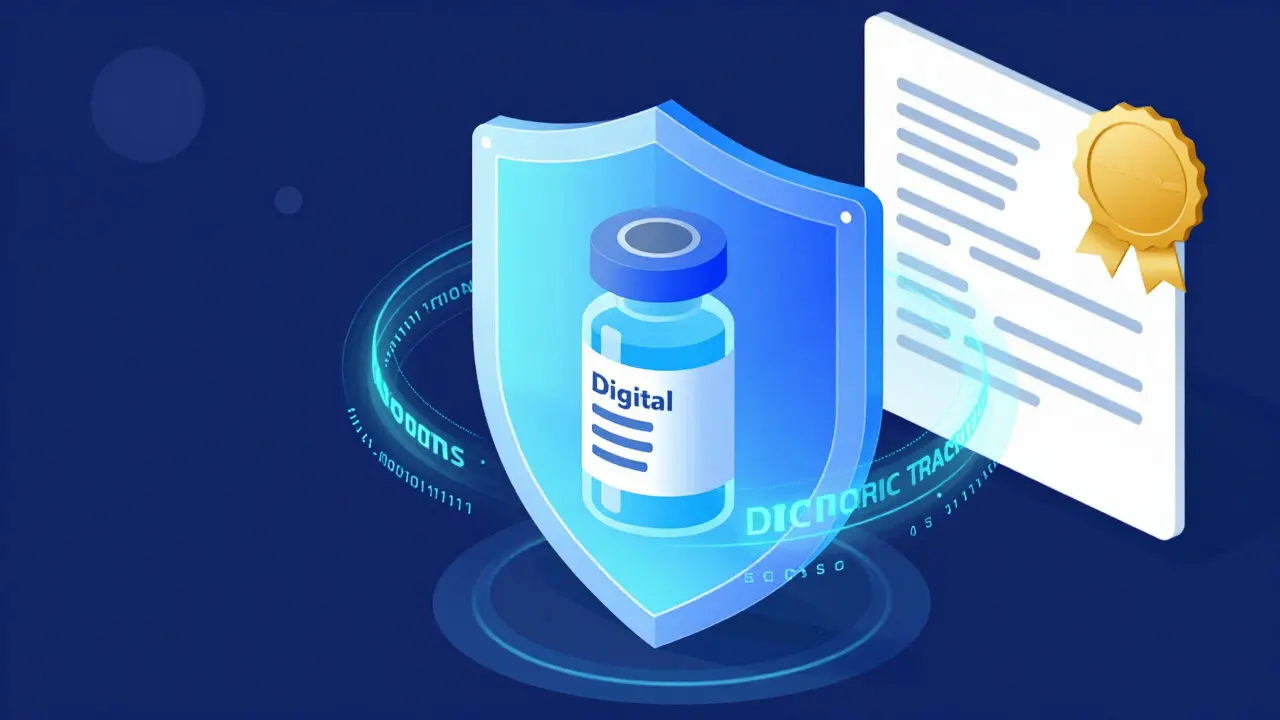
Insurance doesn't exist in a vacuum; it follows the law. Two major frameworks dictate how risk is assessed today. First, the Drug Supply Chain and Security Act (DSCSA) is a US law designed to protect the public from counterfeit, stolen, or harmful drugs through enhanced electronic tracing. By November 2023, the DSCSA required full electronic tracing of prescription drugs. For an insurance underwriter, a company that can prove a digital "chain of custody" for every pill is a much lower risk than one relying on paper manifests.
On a global scale, the Medicrime Convention is an international treaty that establishes the manufacturing and trafficking of counterfeit medical products as criminal offenses. This convention, which came into force in January 2016, helps streamline how different countries handle the criminal side of counterfeiting. While insurance handles the civil liability (the money), the Medicrime Convention handles the criminal penalty. If a company is found to be intentionally trafficking fakes, no amount of liability insurance will save them from the criminal charges outlined in this treaty.
| Feature | Insurance (Liability/E&O) | Regulatory (DSCSA/Medicrime) |
|---|---|---|
| Primary Goal | Financial recovery & risk mitigation | Prevention, detection & punishment |
| Trigger | Patient harm or financial loss | Violation of law or safety standards |
| Key Requirement | Good faith / No intent to defraud | Strict adherence to tracing protocols |
| Outcome | Payout for damages/legal fees | Fines, licenses revoked, or prison |
High-Stakes Targets: Where the Risk Peaks
Not all drugs are targeted equally. Counterfeiters go after high-value, high-demand medications where the profit margin is huge and the urgency for the patient is high. Oncology products are a prime example. The Roswell Park Cancer Institute has identified several high-risk drugs that are frequently mimicked, including Gleevec, Keytruda, and Avastin.
Why does this matter for insurance? Because the liability for a counterfeit cancer drug is far higher than for a counterfeit vitamin. If a patient receives a fake version of a chemotherapy drug that lacks the active ingredient, the result is often death or rapid disease progression. This creates "catastrophic loss" scenarios for insurers. Consequently, companies specializing in oncology may face higher premiums or be required to implement more rigorous verification tools, such as Radio Frequency Identification (RFID) devices, to keep their coverage active.
Proactive Risk Mitigation: How Companies Lower Premiums
Insurers love data. The more a company can prove it is actively fighting fakes, the more favorable the insurance terms usually are. Look at the strategies used by industry giants like Pfizer is a global pharmaceutical company that leverages advanced lab equipment and law enforcement partnerships to fight counterfeits. Pfizer has helped prevent over 302 million counterfeit doses from reaching patients since 2004. This level of intervention isn't just about public health; it's about reducing the probability of a massive insurance claim.
Similarly, Sanofi is a pharmaceutical company that uses real-time detection tools and a central anti-counterfeit lab to analyze suspect products. By trolling the web for illicit offers and using lab-verified authenticity checks, they create a "defensible position." If a fake drug ever did slip through, Sanofi can point to these sophisticated systems to prove they were not negligent, thereby ensuring their insurance coverage remains intact.
The Gaps in the System
Despite the layers of insurance and law, a sobering reality remains. As pharmaceutical expert Walters noted, it is virtually impossible to monitor every single pill or capsule moving across the globe. There are still "blind spots" in the supply chain, particularly in low- and middle-income countries where regulatory enforcement is weak.
The biggest gap is for the small-to-mid-sized distributor who buys from a new supplier in a foreign market. If they aren't using the latest electronic tracing or don't have a dedicated security team, they are incredibly vulnerable. If they unknowingly sell a counterfeit drug, they might be covered by insurance, but the damage to their brand reputation is often permanent. Insurance can replace the money, but it can't replace the trust of a patient who was given a fake medication.
Will insurance pay if I accidentally sell counterfeit drugs?
Generally, yes, provided you have product liability and errors and omissions (E&O) coverage and can prove you acted in good faith. If the insurer finds that you were negligent or intentionally ignored warnings about a supplier, they may deny the claim.
What is the difference between a "falsified" and "counterfeit" drug?
While often used interchangeably, the World Health Organization defines falsified medicines as those that deliberately misrepresent their identity, composition, or source. This includes products that might look real but contain the wrong dose or no active ingredients at all.
How does the DSCSA affect my insurance premiums?
Compliance with the Drug Supply Chain and Security Act (DSCSA), especially the electronic tracing requirements, reduces your risk profile. Insurers view these protocols as a form of due diligence, which can lead to lower premiums or broader coverage terms.
Which types of drugs are most at risk for counterfeiting?
High-cost, high-demand drugs are primary targets. Oncology medications like Keytruda and Avastin are frequently faked because of their price and the critical nature of the treatment.
Can insurance protect me from criminal charges under the Medicrime Convention?
No. Insurance covers civil liabilities (financial damages to victims). The Medicrime Convention establishes criminal offenses. If you are found guilty of trafficking or manufacturing fakes, you face legal penalties and prison, which insurance cannot prevent.
Next Steps for Supply Chain Managers
If you are managing a pharmaceutical supply chain, don't wait for a claim to find out where your gaps are. Start by auditing your current policies to see if "counterfeit risk" is explicitly addressed or if it falls under a general product liability clause. Ensure your electronic tracing systems are fully compliant with the latest DSCSA milestones.
For those dealing in high-risk categories like oncology, consider investing in technical verification tools like RFID or partnering with verified internet pharmacy programs. The goal is to build a documented history of due diligence. In the eyes of an insurance underwriter, a company that actively hunts for fakes is a company worth insuring.
about author