Patent Challenges and Settlements: Strategies for Negotiating Market Entry
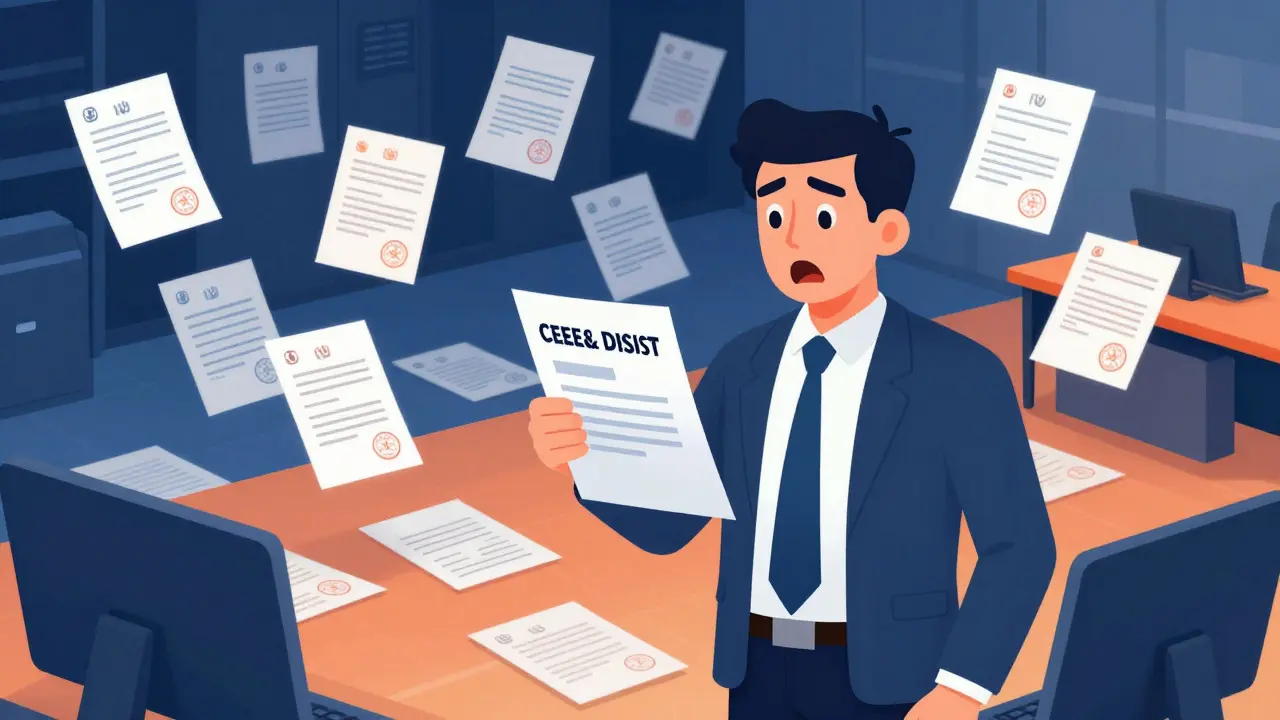
When a company wants to enter a market dominated by a competitor with a massive patent portfolio, they have two choices: fight to the death or negotiate a way in. This is where patent settlements is a strategic resolution where parties resolve infringement claims and validity disputes through licensing or payment instead of full litigation. It's not just about writing a check; it's about calculating leverage, timing the market, and sometimes turning an enemy into a partner.
The High-Stakes Game of Patent Leverage
Before a company even sits down at the table, they perform what experts call a "stress test." They aren't just looking at whether they might be infringing; they are looking for the cracks in the other side's armor. If you can prove a patent is invalid, your leverage skyrockets. This is a critical part of the intellectual property strategy, as nearly 38.4% of patents asserted in litigation are later found invalid during post-grant proceedings. Negotiations usually follow a predictable timeline. Most companies allocate six to nine months for these discussions. The real magic happens between the Markman hearing-where the court defines what the patent claims actually mean-and the summary judgment phase. According to Lex Machina, 68% of settlements happen in this window because that's when both sides finally realize exactly how strong (or weak) their hand is.Choosing the Right Settlement Framework
Not all deals are structured the same. Depending on who you are fighting, you might choose a different path. For example, if you're dealing with a direct competitor, you might use a "high-low" structure. This is a binary framework where parties agree on payments based on the resolution of a few key legal disputes that act as proxies for the whole case. It's highly effective-boasting a 78% success rate among rational competitors-but it almost never works with Non-Practicing Entities (NPEs), or "patent trolls," who are usually just looking for a quick payout. For those in the semiconductor or telecom space, cross-licensing agreements are the gold standard. Instead of exchanging cash, companies swap rights to use each other's patents. It's a "I won't sue you if you don't sue me" arrangement that appears in 73% of disputes between major tech firms.| Approach | Typical Use Case | Success Rate | Key Advantage |
|---|---|---|---|
| Traditional Lump Sum | Small disputes / NPEs | 52% | Clean break, immediate resolution |
| High-Low Structure | Direct industry competitors | 78% | Reduces risk of total loss |
| Cross-Licensing | Tech giants (Semi/Telecom) | High (Industry Std) | Mutual market access, no cash drain |
| Binding Arbitration | Private resolution | 81% | Fast, confidential process |
The Art of the Deal: Tactics and Pitfalls
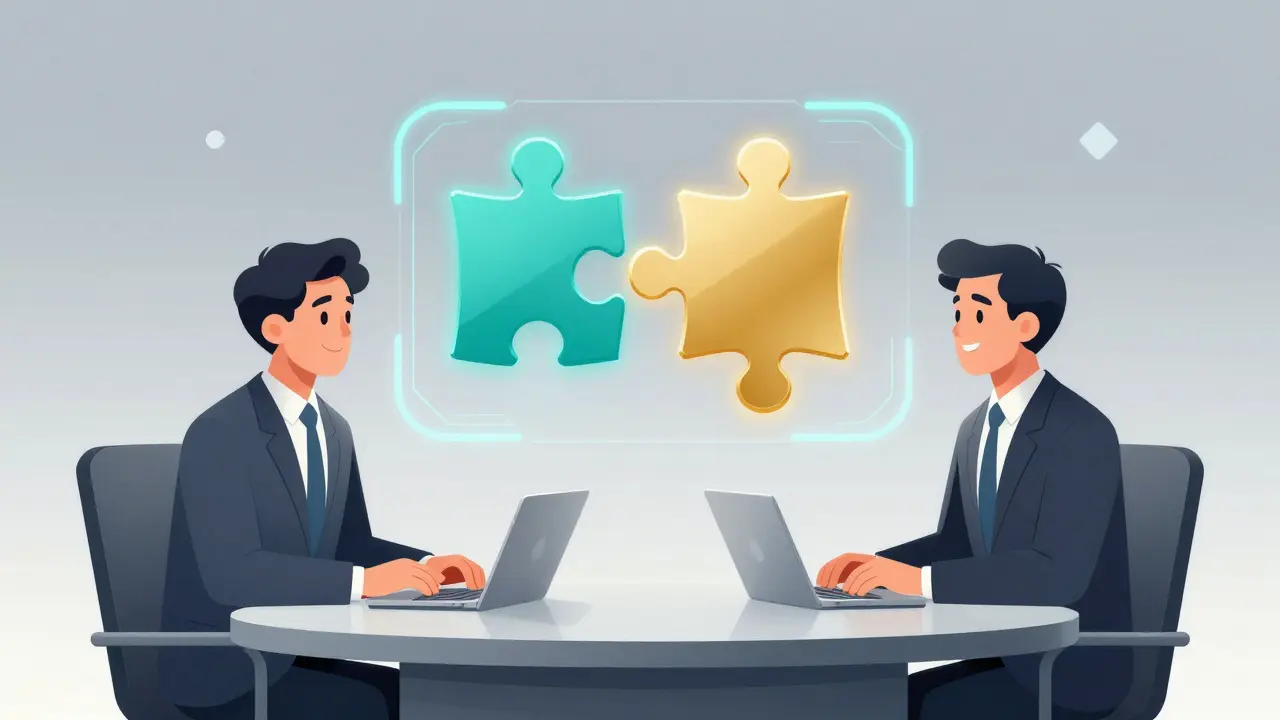
One of the biggest mistakes negotiators make is falling for the "anchoring effect." This happens when one party throws out an absurdly high initial demand to pull the final number upward. Research from the University of Chicago Law School shows that plaintiffs who demand three times their actual target often end up with 28% higher settlements. If you're the one receiving the demand, knowing this allows you to ignore the "anchor" and stick to the actual valuation of the patent. Another pro move is the use of conditional concessions. Instead of just lowering the price, a company might agree to a lower royalty rate in exchange for a longer licensing term or access to complementary technologies. This transforms a zero-sum game into a win-win scenario. Take the Ericsson and Samsung deal from 2021. After eight months of grinding negotiations, they landed a six-year agreement for 4G and 5G patents. Ericsson walked away with $650 million upfront and a tiered royalty system (0.5% to 2.5%) based on the device's price point. This is a masterclass in structured entry: the payment scales with the product's success, ensuring the licensor profits while the licensee stays viable.Modern Tools and the Shift Toward AI
Preparing for these negotiations used to take weeks of manual labor. Now, AI tools like PatentSight is an AI-powered analysis platform that helps companies identify Freedom-to-Operate risks and analyze patent portfolios. These tools have slashed portfolio assessment time from a month down to about five days. However, humans are still essential. AI still misses nearly 19% of relevant prior art, which could be the difference between paying millions or winning the case for free. We are also seeing a shift in how money actually moves. Blockchain-based smart contracts are being piloted by giants like IBM and Microsoft. The goal is to automate royalty payments based on real-time sales data, removing the need for expensive audits and reducing post-settlement disputes by as much as 40%.
The Regulatory Wall and the Global Landscape
Negotiations aren't just about two companies; they are about the law. In the world of Standard-Essential Patents (SEPs) - patents that must be used to comply with a technical standard (like 5G) - companies are legally bound to FRAND terms: Fair, Reasonable, and Non-Discriminatory. If you try to squeeze a competitor too hard on an SEP, you might run into antitrust regulators. The European Commission famously fined Qualcomm €242 million for exactly this kind of anti-competitive behavior. Furthermore, the launch of the Unified Patent Court (UPC) in Europe has changed the clock. Because the UPC operates on a much faster timeline, companies are rushing to settle cross-border disputes in Europe-an increase of 22% in the first six months alone-rather than risking a swift, all-or-nothing judgment.What is a high-low settlement in patent law?
A high-low settlement is a structured agreement where parties agree on a minimum ("low") and maximum ("high") payment amount. The final payout is determined by the outcome of a few specific, representative legal disputes. This limits the financial risk for both sides while allowing a court to decide the core technical issues.
How long does it typically take to negotiate a patent settlement?
Most large companies allocate between 6 and 9 months for settlement discussions. The most critical period is usually between the Markman hearing (claim construction) and the summary judgment phase, where a majority of agreements are finalized.
What are FRAND terms and why do they matter?
FRAND stands for Fair, Reasonable, and Non-Discriminatory. It applies to Standard-Essential Patents (SEPs). Because these patents are required to implement a common technical standard, the owner cannot charge exorbitant royalties or deny licenses to competitors, as this would stifle industry-wide adoption and potentially trigger antitrust penalties.
Is it better to use a mediator or an arbitrator for patents?
It depends on the goal. Mediation is non-binding and helps parties reach a voluntary agreement (65% success rate), making it ideal for maintaining business relationships. Binding arbitration is more definitive, resolving about 81% of cases, but it removes the option to appeal the decision in court.
How do companies handle "patent trolls" or NPEs in settlements?
Negotiations with Non-Practicing Entities (NPEs) are different because they don't have products to cross-license. Settlements usually involve a one-time lump sum payment. High-low structures rarely work here because NPEs are often seeking "nuisance settlements" rather than long-term business partnerships.
Next Steps for Market Entry
If you are planning a product launch and fear patent roadblocks, don't wait for the cease-and-desist. Start with a "Freedom to Operate" (FTO) analysis to map the existing patent landscape. If you find a conflict, evaluate whether you can design around the patent or if you should initiate a proactive licensing discussion. For those with high-value portfolios, investing in a pre-settlement validity analysis (typically costing $150,000 to $300,000) can provide the leverage needed to negotiate a fraction of the cost of a full trial.about author