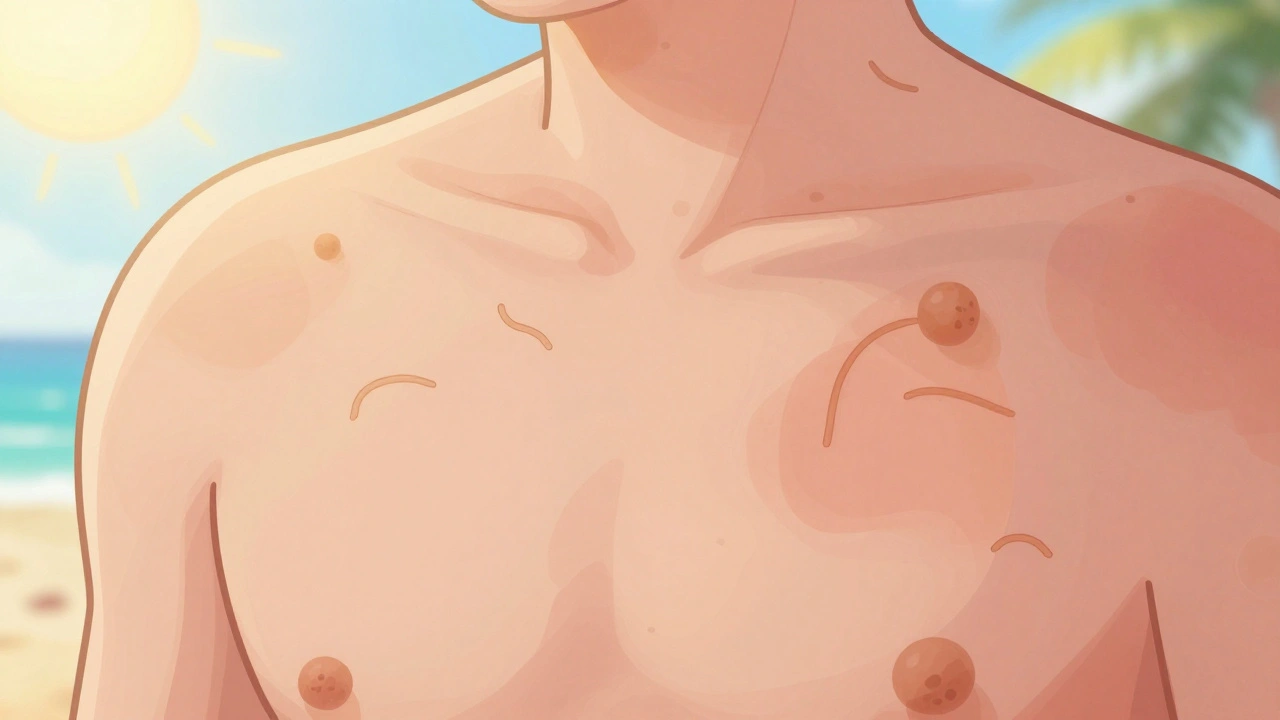
Tinea versicolor is a common yeast overgrowth that causes discolored skin patches. Learn how to treat it effectively and prevent it from coming back with simple, science-backed maintenance routines.

When yeast overgrowth, an uncontrolled growth of Candida fungi, usually in the gut or mouth. Also known as candidiasis, it’s not just a nuisance—it can mess with your energy, digestion, and even your mood. Most people have some yeast in their body, but when it starts taking over, things go wrong fast. You might feel tired all the time, get bloated after eating bread, or notice a persistent white coating on your tongue. It’s not always from eating too much sugar—even antibiotics, stress, or birth control can throw off your natural balance and let yeast run wild.
What makes yeast overgrowth tricky is that it doesn’t always show up in standard tests. Many doctors don’t test for it unless you have a clear vaginal or oral infection. But the truth is, yeast can quietly spread through your digestive tract, weakening your gut lining and triggering inflammation. That’s why people often feel better after cutting out sugar and processed carbs—even if they never got a formal diagnosis. gut health, the balance of bacteria and fungi in your digestive system is the real battleground here. When good bacteria drop, yeast takes the space. And antifungal treatment, medications or natural remedies designed to reduce fungal overgrowth isn’t just about popping pills. It’s about resetting your environment—what you eat, how you sleep, and even how you manage stress.
You won’t find miracle cures in this collection, but you will find real talk about what actually helps. From how certain medications can trigger yeast problems, to what foods calm things down, to why some people feel worse before they feel better when starting treatment—these posts break it down without hype. You’ll see how yeast overgrowth connects to things like fatigue, brain fog, and even skin rashes. No fluff. No pseudoscience. Just what works, what doesn’t, and what to ask your doctor next.
Tinea versicolor is a common yeast overgrowth that causes discolored skin patches. Learn how to treat it effectively and prevent it from coming back with simple, science-backed maintenance routines.