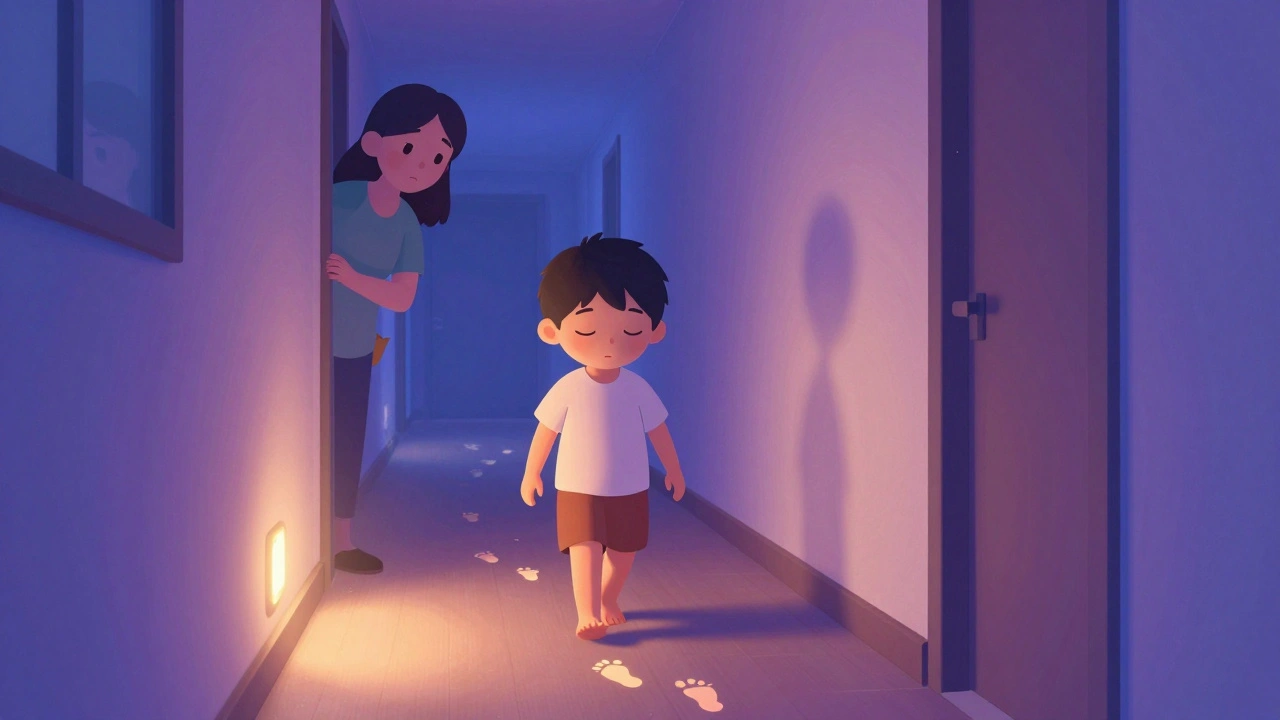
Learn practical, science-backed ways to manage sleepwalking and night terrors-without medication. Discover safety tips, behavioral strategies, and when to seek help for these common sleep disorders.

When you can’t fall asleep, stay asleep, or feel rested even after hours in bed, you’re dealing with a sleep disorder, a medical condition that interferes with normal sleep patterns and impacts physical and mental health. It’s not just being tired—it’s your body’s rhythm broken, and it’s more common than you think. About 50 to 70 million adults in the U.S. have a chronic sleep issue, and many don’t even realize it’s a treatable condition, not just bad luck.
Insomnia, the most common sleep disorder, involves trouble falling or staying asleep despite having the chance to do so—often linked to stress, anxiety, or even certain medications like antidepressants or decongestants. Then there’s sleep apnea, a condition where breathing repeatedly stops and starts during sleep, often silently, which can lead to high blood pressure, heart problems, and daytime exhaustion. And don’t overlook circadian rhythm disorders, when your internal clock is out of sync with the outside world, common in shift workers, travelers, or people who stay up too late on screens. These aren’t just inconveniences—they’re health risks.
Medications play a big role here. Some drugs cause drowsiness as a side effect, while others—like certain antidepressants or painkillers—can make sleep harder to get. That’s why knowing what’s in your medicine cabinet matters. A pill you take for anxiety might be stealing your rest. A diuretic for blood pressure could be sending you to the bathroom at 2 a.m. Even over-the-counter allergy meds can leave you groggy or wired, depending on the ingredient. The fix isn’t always more sleeping pills. Sometimes it’s switching meds, adjusting timing, or fixing your environment—like reducing light exposure or setting a consistent bedtime.
What you’ll find below isn’t a list of miracle cures. It’s real, practical info from people who’ve been there: how to spot when a medication is wrecking your sleep, what alternatives exist, how to talk to your doctor without sounding like you’re complaining, and what small changes actually make a difference. No fluff. No hype. Just what works—and what doesn’t—based on real cases and medical evidence.
Learn practical, science-backed ways to manage sleepwalking and night terrors-without medication. Discover safety tips, behavioral strategies, and when to seek help for these common sleep disorders.