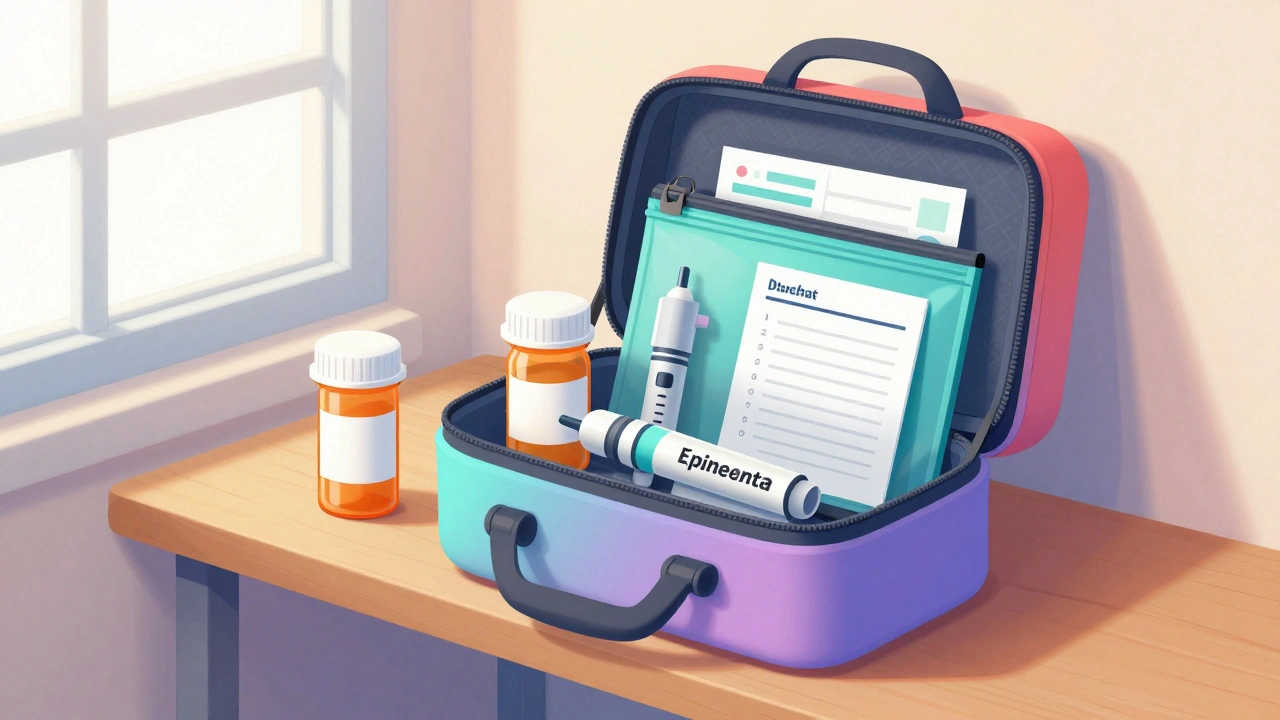
A medication go-bag ensures you have access to critical prescriptions during disasters. Learn what to pack, how to store it safely, and why 14 days of meds is the new standard for emergency preparedness.

When a hurricane hits, a power outage lasts days, or an earthquake cuts off access to pharmacies, prescription drugs for disasters, medications essential for managing chronic conditions during emergencies become life-savers—not luxuries. This isn’t about panic buying. It’s about knowing what you can’t afford to run out of when the system fails. People with diabetes, heart disease, epilepsy, or severe allergies often rely on daily meds that aren’t available at corner stores. If your insulin runs out or your blood pressure pill is gone, waiting for help isn’t an option.
emergency medication, drugs kept on hand specifically for crisis situations goes beyond just refilling prescriptions. It means understanding expiration dates, storing pills in waterproof containers, and keeping a printed list of every drug you take—dosage, doctor’s name, and pharmacy info. You might not think about thyroid meds or asthma inhalers until the power’s out and your fridge can’t keep them cool. disaster preparedness, the practice of planning for medical needs during emergencies includes knowing how to adjust doses if you can’t get refills, or which over-the-counter options can temporarily replace certain prescriptions under a doctor’s guidance.
Most people don’t realize that pharmacies can’t always restock during disasters. Delivery trucks get stuck, generators fail, and supply chains break. That’s why stockpile medications, keeping a 30- to 90-day supply of essential prescriptions is a smart move—not a conspiracy. The CDC and Red Cross both recommend it. You don’t need to hoard. Just talk to your doctor about getting extra refills, especially for chronic conditions. Some insurers allow it under emergency provisions. And if you’re on multiple meds, organize them in labeled, sealed bags with dates and instructions. Keep them in a cool, dry place—away from kids, pets, and heat.
What about emergencies you didn’t plan for? Like sudden allergic reactions or seizures? If you have epinephrine auto-injectors, seizure meds, or rescue inhalers, never leave home without them. And if you’re traveling, always carry extra. Disaster zones don’t care about your schedule. They don’t open at 9 a.m. or accept insurance. The only thing that matters is what’s in your bag right now.
Below, you’ll find real-world advice from people who’ve been there—how to handle medication shortages, what to do when your pharmacy closes, how to talk to your doctor about emergency supplies, and which drugs are most often forgotten in crisis planning. No fluff. No guesswork. Just what works when you can’t wait for help to arrive.
A medication go-bag ensures you have access to critical prescriptions during disasters. Learn what to pack, how to store it safely, and why 14 days of meds is the new standard for emergency preparedness.