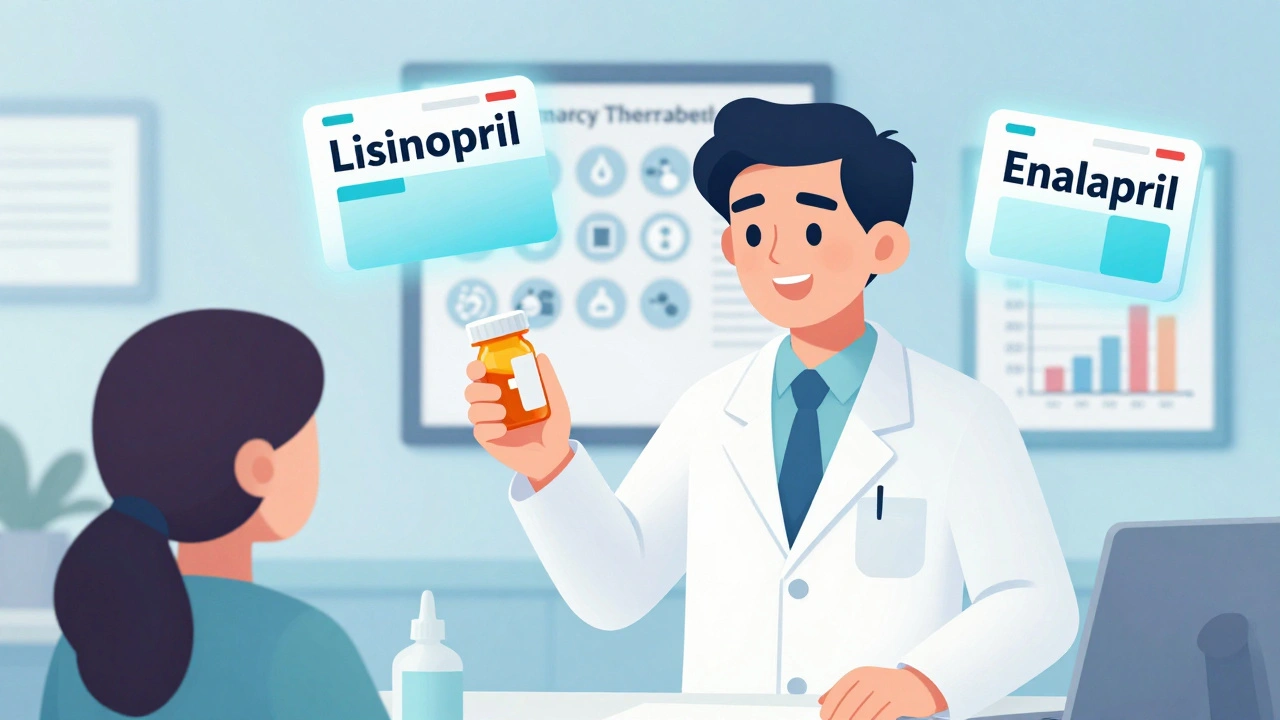
Therapeutic interchange means swapping medications within the same class to cut costs without losing effectiveness. It’s not a random change - it’s a structured, evidence-based practice used mostly in hospitals and nursing homes.

When you walk into a hospital and get a prescription, you might not think about who decided that drug was safe to use there. That decision often comes from a pharmacy and therapeutics committee, a group of doctors, pharmacists, and administrators who review and approve which medications are allowed in a hospital or health system. Also known as a P&T committee, it’s the quiet force behind every drug on your hospital’s formulary. This isn’t just paperwork—it’s what stops unsafe or overpriced drugs from reaching patients.
The drug formulary, a list of approved medications a hospital will stock and prescribe isn’t created by a single doctor’s preference. It’s built through data: clinical trials, cost comparisons, side effect reports, and real-world outcomes. The hospital pharmacy, the department responsible for managing drug supply, safety, and distribution runs the numbers and brings them to the committee. If a new drug costs $10,000 a month but offers no real advantage over a $50 generic, the committee will likely reject it—even if the pharmaceutical rep says otherwise. They also look at how drugs interact, especially for patients on five or more meds, which is common in older adults.
These committees don’t just say yes or no. They set rules. Like requiring a patient to try a cheaper drug first before approving an expensive one—that’s called step therapy, a protocol where less costly treatments are tried before moving to pricier options. They also monitor drug shortages, like when insulin or antibiotics run low, and decide what to substitute. They review reports of bad reactions, like steroid-induced psychosis or kidney damage from ketorolac, and update guidelines to protect patients. And they work with insurance policies, because what the hospital prescribes has to match what insurers will pay for.
What you’ll find in the posts below are real stories tied to how these decisions affect you. From how generic drugs get approved under FDA rules, to why your pill looks different even though it’s the same medicine, to how pharmacists fight insurance denials for cheaper alternatives—all of it connects back to the work of the pharmacy and therapeutics committee. You’ll see how medication safety isn’t just about labeling bottles—it’s about systems, policies, and people making hard choices every day to keep you safe. Whether you’re a patient, a caregiver, or just curious, these posts show you the hidden engine behind your prescriptions.
Therapeutic interchange means swapping medications within the same class to cut costs without losing effectiveness. It’s not a random change - it’s a structured, evidence-based practice used mostly in hospitals and nursing homes.