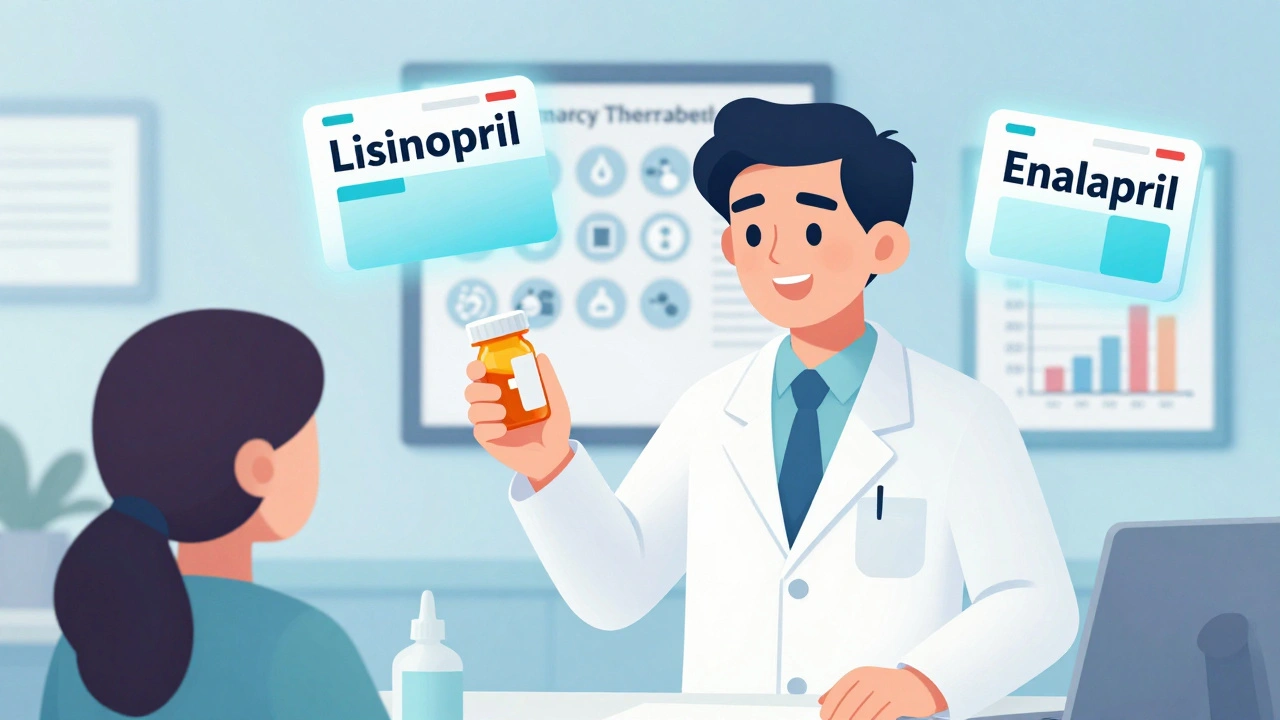
Therapeutic interchange means swapping medications within the same class to cut costs without losing effectiveness. It’s not a random change - it’s a structured, evidence-based practice used mostly in hospitals and nursing homes.

When your pharmacist hands you a pill that looks different from what you’re used to, it’s likely medication substitution, the practice of replacing a prescribed drug with a chemically similar alternative, often a generic version. Also known as drug switching, it’s a routine part of pharmacy practice designed to cut costs without sacrificing effectiveness. But just because the price is lower doesn’t mean it’s always smooth sailing. Many people worry the new pill won’t work the same way—and sometimes, they’re right.
Generic drugs, medications that contain the same active ingredient as brand-name versions but are sold under a different name. Also known as bioequivalent drugs, they’re required by the FDA to match the original in strength, dosage, and how quickly they enter your bloodstream. That’s the theory. In practice, some patients notice differences—maybe their headache relief takes longer, or they feel more tired. That’s not always because the drug is bad; it could be the fillers, dyes, or coating that changed. These don’t affect how the medicine works, but they can change how your body reacts to it. That’s why drug switching, the process of changing from one medication to another, whether brand to generic or one generic to another needs to be handled carefully, especially with drugs for epilepsy, thyroid conditions, or mental health.
Some substitutions are forced by insurance. Your plan might require you to try a cheaper version first—this is called step therapy. Other times, your pharmacy switches your drug automatically because the brand is out of stock or the generic is cheaper. You don’t always get a say. But you should. If you’ve been stable on a brand or a specific generic, speak up. Ask if the substitution is necessary. Check the pill’s shape, color, and imprint code. If it’s different and you feel different, don’t ignore it. That’s not "in your head." It’s your body telling you something changed.
Not all substitutions are equal. A switch from brand-name Viagra to generic sildenafil? Usually fine. A switch from one antidepressant to another, even if they’re in the same class? That’s riskier. The same goes for blood thinners or seizure meds. The FDA says generics are equivalent. But real life isn’t a lab. People have real reactions. That’s why so many posts here focus on side effects, withdrawal symptoms, and how to manage transitions safely. You’ll find guides on how to taper off one drug while starting another, how to spot fake generics, and what to do if your insurance denies coverage for the version you need.
There’s no one-size-fits-all answer to medication substitution. What works for one person might trigger a reaction in another. The key is awareness. Know what you’re taking. Ask questions. Track how you feel after a switch. And don’t assume a cheaper pill is automatically better—or worse. The goal isn’t to avoid substitution entirely. It’s to control it. To make sure it serves you, not the system.
Below, you’ll find real stories and practical advice from people who’ve been through it—how to handle side effects, when to push back on a pharmacy swap, how to read the fine print on your prescription, and what to do if your medication suddenly stops working. This isn’t theoretical. These are the tools you need to stay safe when your pill changes.
Therapeutic interchange means swapping medications within the same class to cut costs without losing effectiveness. It’s not a random change - it’s a structured, evidence-based practice used mostly in hospitals and nursing homes.