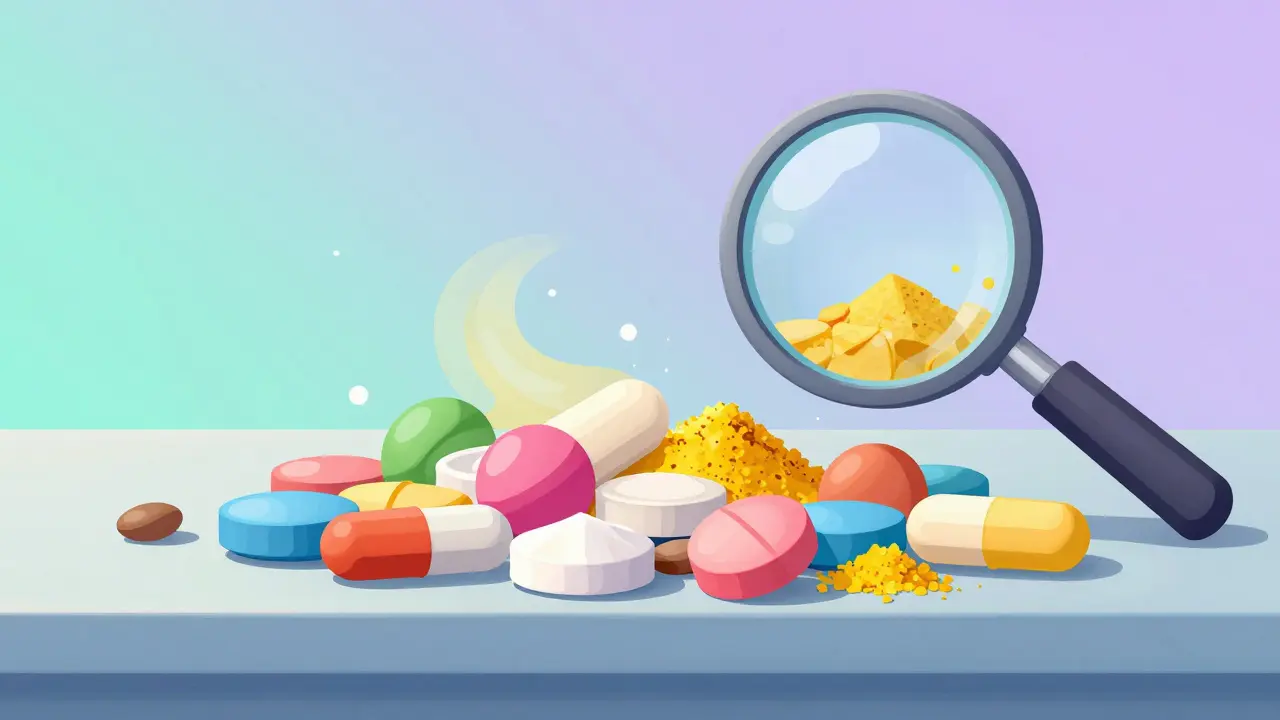
Inactive ingredients in generic medications can interact when taken together, causing side effects like stomach upset, rashes, or reduced drug effectiveness. Learn how to spot risky excipients and protect yourself.

When you hear generic medications, copies of brand-name drugs that contain the same active ingredients, dosage, and intended use. Also known as generic drugs, they are the backbone of affordable healthcare for millions. Many people think generics are weaker or less safe, but that’s not true. The FDA and similar agencies worldwide require them to meet the same strict standards as brand-name pills. The only differences? The name, the color, and the price—often 80% lower.
Generic medications work because they’re built from the same chemical blueprint as the original. Take loratadine, the active ingredient in Claritin, or metformin, the generic form of Glucophage. These drugs treat allergies and diabetes the same way whether they’re sold under a brand name or not. What changes is who makes them and how much they charge. Generic manufacturers don’t spend millions on ads or fancy packaging—they focus on making the medicine, and that savings goes straight to you.
But buying generics isn’t always simple. With so many online pharmacies, it’s easy to fall for fake sites selling empty capsules or expired pills. That’s why knowing how to spot a legit pharmacy matters. Look for sites that require a prescription, list a physical address, and have licensed pharmacists on staff. Avoid deals that sound too good to be true—like $5 bottles of Viagra with no doctor’s note. The online pharmacy, a digital pharmacy that ships medications directly to your door can be a lifesaver if you know how to use it right.
Generic medications aren’t just for diabetes or allergies. They’re used for everything from depression to high blood pressure to arthritis. You’ll find them in posts about generic medications like Abilify, Neurontin, Paxil, and even niche options like diacerein for joint pain or trospium for overactive bladder. These aren’t experimental—they’re proven, tested, and trusted by doctors worldwide. What’s different now is how accessible they’ve become. People are learning how to compare prices, avoid scams, and get the same results without paying brand-name markups.
Some worry about side effects changing with generics. They don’t. The active ingredient is identical. Any differences in how you feel usually come from fillers or coatings—ingredients that help the pill hold shape or dissolve. These don’t affect how the drug works in your body. If you’ve ever switched from a brand to a generic and felt a difference, it’s likely psychological, not chemical. But if you’re unsure, talk to your pharmacist. They can help you pick the right version and warn you about any rare interactions.
And if you’re on long-term meds—like statins for cholesterol or anticoagulants after a stroke—switching to generics can save you thousands a year. That money can go toward better food, gym memberships, or even a second opinion. It’s not about cutting corners. It’s about using smart, science-backed choices to take control of your health without breaking the bank.
Below, you’ll find real-world guides on how to buy cheap generics safely, compare them to brand-name versions, and understand exactly what you’re taking. Whether you’re managing diabetes, depression, or chronic pain, there’s a post here that speaks directly to your situation—no fluff, no hype, just clear, practical advice from people who’ve been there.
Inactive ingredients in generic medications can interact when taken together, causing side effects like stomach upset, rashes, or reduced drug effectiveness. Learn how to spot risky excipients and protect yourself.
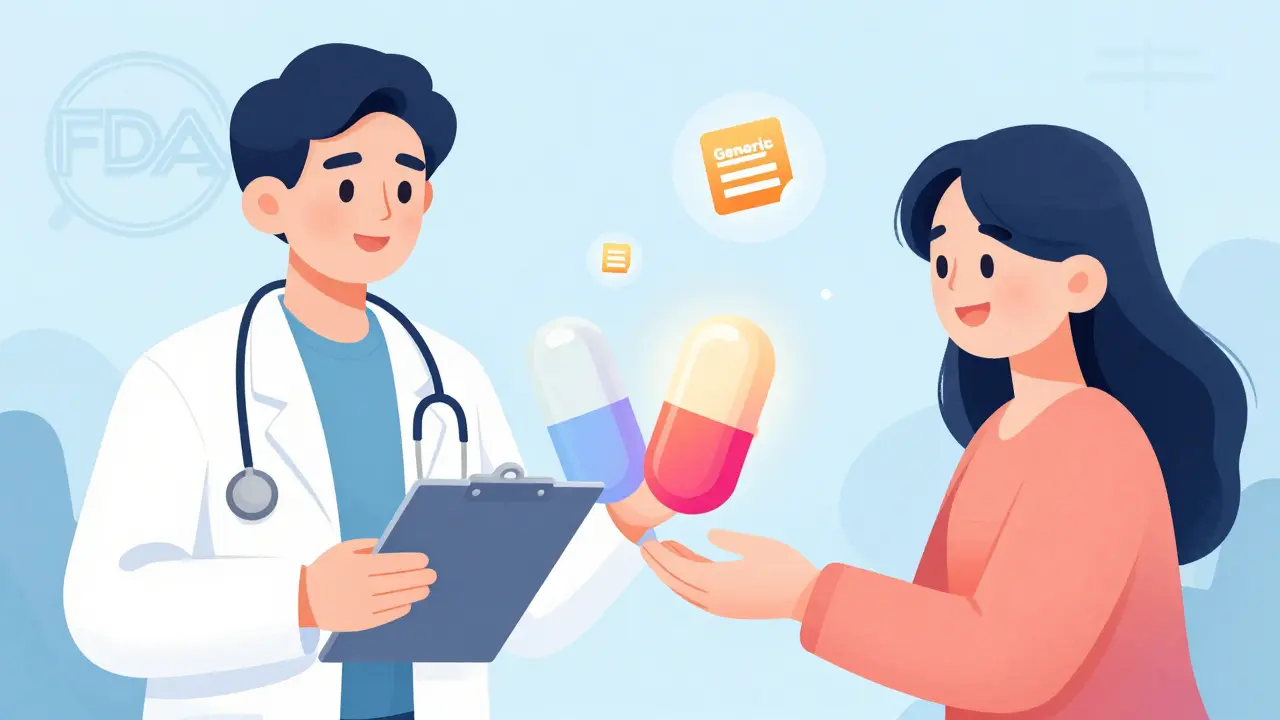
Provider education on generics improves clinician confidence, reduces patient costs, and boosts adherence. Learn how FDA standards, communication strategies, and EHR tools are closing the knowledge gap in generic prescribing.

Discover the top app-based prescribing platforms for affordable generic medications in 2025, including Amazon RxPass, Ro, Hims & Hers, and Beem Health. Learn how they work, what they cost, and who they’re really for.