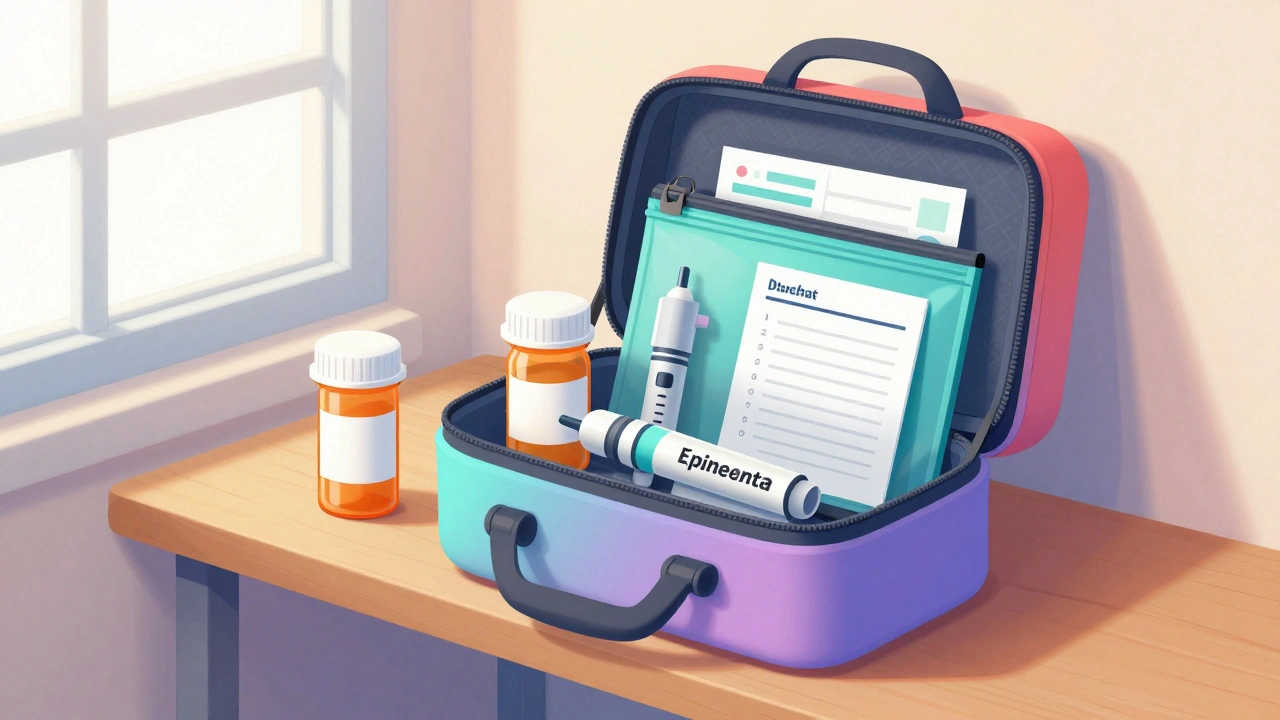
A medication go-bag ensures you have access to critical prescriptions during disasters. Learn what to pack, how to store it safely, and why 14 days of meds is the new standard for emergency preparedness.

When something goes wrong with a medication, it doesn’t always mean a mild headache or upset stomach. Sometimes, it’s a medication emergency, a sudden, life-threatening reaction that requires immediate medical intervention. This is where emergency preparedness, the practice of knowing what to do before a crisis hits saves lives. It’s not about panic—it’s about recognizing the signs early and acting fast. Many people assume side effects are normal, but some reactions aren’t just uncomfortable—they’re deadly. Anaphylaxis, skin peeling, confusion, chest pain, or sudden swelling aren’t side effects you wait out. They’re signals to call 911 or head to the ER right now.
adverse drug reaction, an unintended and harmful response to a medicine at normal doses can happen to anyone, even if you’ve taken the same pill for years. A study from the CDC found that over 1.3 million emergency visits each year in the U.S. are due to medication reactions, and nearly 30% of those involve people who didn’t think their drug could cause harm. That’s why knowing your meds matters. If you’re on blood thinners, antidepressants, or antibiotics, you need to know the warning signs: hives that spread, trouble breathing, hallucinations, or skin that blisters and peels. These aren’t normal. And if you’re caring for an elderly parent or a child on multiple prescriptions, you’re not just a helper—you’re their first line of defense.
when to go to ER, the critical decision point when home care isn’t enough isn’t something you figure out in the moment. It’s something you plan for. Keep a list of all your meds and allergies in your phone and wallet. Know which drugs interact dangerously—like mixing NSAIDs with blood pressure pills. Teach your family the red flags: if someone stops responding, turns blue, or can’t speak, don’t wait. Call for help. Emergency preparedness isn’t about stockpiling supplies—it’s about knowing when your medicine becomes a threat and having the courage to act. Below, you’ll find real cases, clear warning signs, and practical steps to protect yourself and others before the next crisis hits.
A medication go-bag ensures you have access to critical prescriptions during disasters. Learn what to pack, how to store it safely, and why 14 days of meds is the new standard for emergency preparedness.