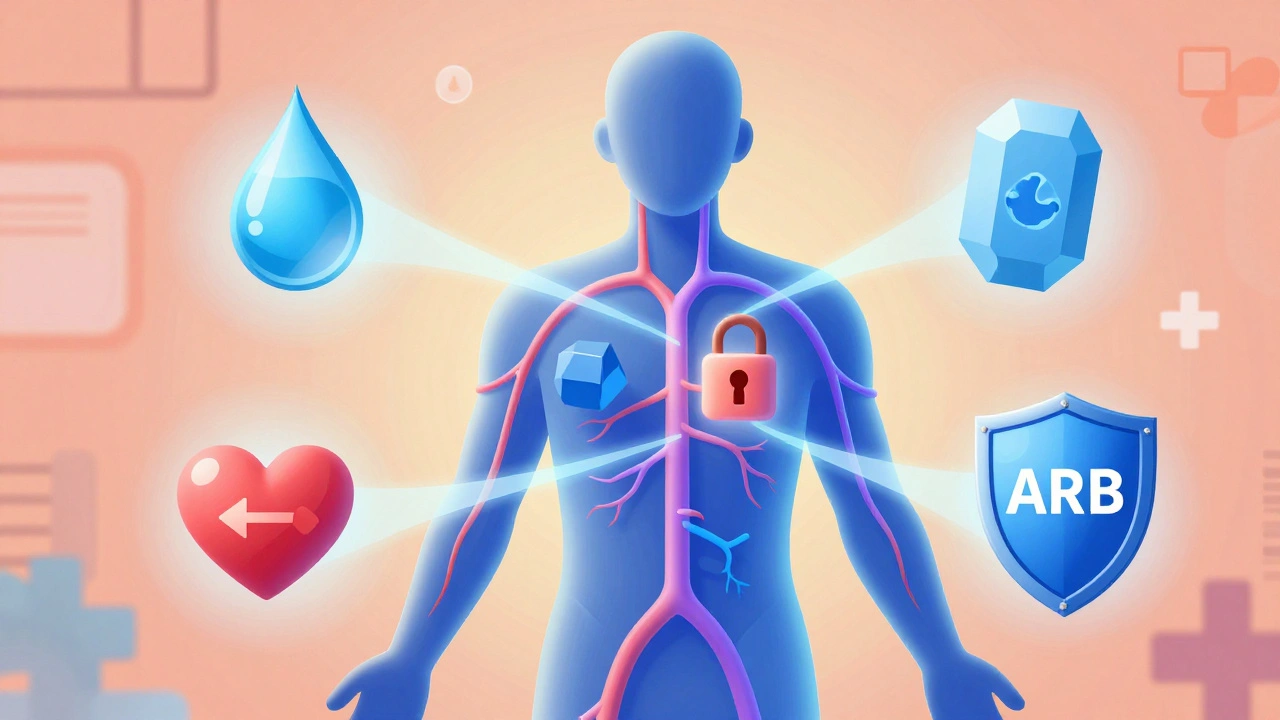
Learn the five main types of blood pressure medications, their common side effects, dangerous interactions, and how doctors choose the safest option for you based on your health profile in 2025.

When your doctor says you need blood pressure meds, Prescription drugs designed to lower elevated arterial pressure and reduce risk of heart attack or stroke. Also known as antihypertensive drugs, they’re some of the most commonly prescribed medications in the world—over 100 million Americans take them. But knowing you need them is just the start. What matters is understanding how they work, what to expect, and how to avoid common mistakes.
Not all blood pressure meds, Prescription drugs designed to lower elevated arterial pressure and reduce risk of heart attack or stroke. Also known as antihypertensive drugs, they’re some of the most commonly prescribed medications in the world—over 100 million Americans take them. are the same. Some, like ACE inhibitors, A class of drugs that block the enzyme responsible for narrowing blood vessels, relax arteries by stopping a chemical that tightens them. Others, like diuretics, Medications that help the body get rid of extra salt and water through urine, cut volume by making you pee more. Then there are calcium channel blockers, Drugs that prevent calcium from entering heart and blood vessel cells, causing them to relax, which loosen up stiff arteries. Each works differently—and each comes with different side effects. One person might get a dry cough from an ACE inhibitor. Another might feel dizzy from a beta blocker. And some people report swelling or fatigue from calcium channel blockers. You don’t just pick one at random. It’s about matching the drug to your body, your other conditions, and even your lifestyle.
Most people start on generics. The generic blood pressure pills, FDA-approved copies of brand-name antihypertensive drugs that contain the same active ingredient and work identically are just as effective as the name brands, and often cost a fraction. But here’s the catch: they look different. That’s not a mistake—it’s the law. U.S. trademark rules force generic pills to look distinct from brand versions, even though the medicine inside is identical. If your pill changes color or shape, don’t panic. Check the label. If the generic name matches what you were prescribed, you’re fine. But if you’re unsure, always ask your pharmacist. It’s not just about cost—it’s about safety. And if you’re switching meds, whether because of side effects or insurance rules, you need a plan. Cold turkey can spike your pressure or cause rebound effects. Tapering, timing, and monitoring matter.
And don’t ignore the side effects. Some meds cause frequent urination. Others mess with your sense of taste or make you dizzy when you stand up. A few can even trigger strange skin reactions or make you feel like you’re floating. You don’t have to live with them. There are alternatives. Your doctor might swap a diuretic for a different class, or adjust the dose. You might switch from a once-daily pill to a combination tablet that cuts your total number of pills in half. It’s not about taking more drugs—it’s about finding the right mix that keeps your pressure under control without wrecking your day.
What you’ll find below are real stories and practical guides on how people handle blood pressure meds every day—from managing side effects to switching safely, spotting fake pills, and knowing when to call for help. These aren’t theory pieces. They’re what patients and pharmacists actually deal with when the prescription runs out, the insurance denies coverage, or the dizziness won’t quit. Whether you’re just starting out or have been on meds for years, there’s something here that applies to you.
Learn the five main types of blood pressure medications, their common side effects, dangerous interactions, and how doctors choose the safest option for you based on your health profile in 2025.