
Blood Pressure Medications: Types, Side Effects, and Safety
High blood pressure doesn’t always come with warning signs. You might feel fine, but your arteries are under constant strain. That’s why managing it with medication isn’t optional-it’s essential. But with so many types of blood pressure drugs out there, knowing which one is right for you, what side effects to watch for, and how to stay safe can feel overwhelming. The good news? You don’t need to guess. This guide breaks down the most common medications, their real-world side effects, and how doctors decide what’s safest for you-based on the latest guidelines from 2025.
How Blood Pressure Medications Work
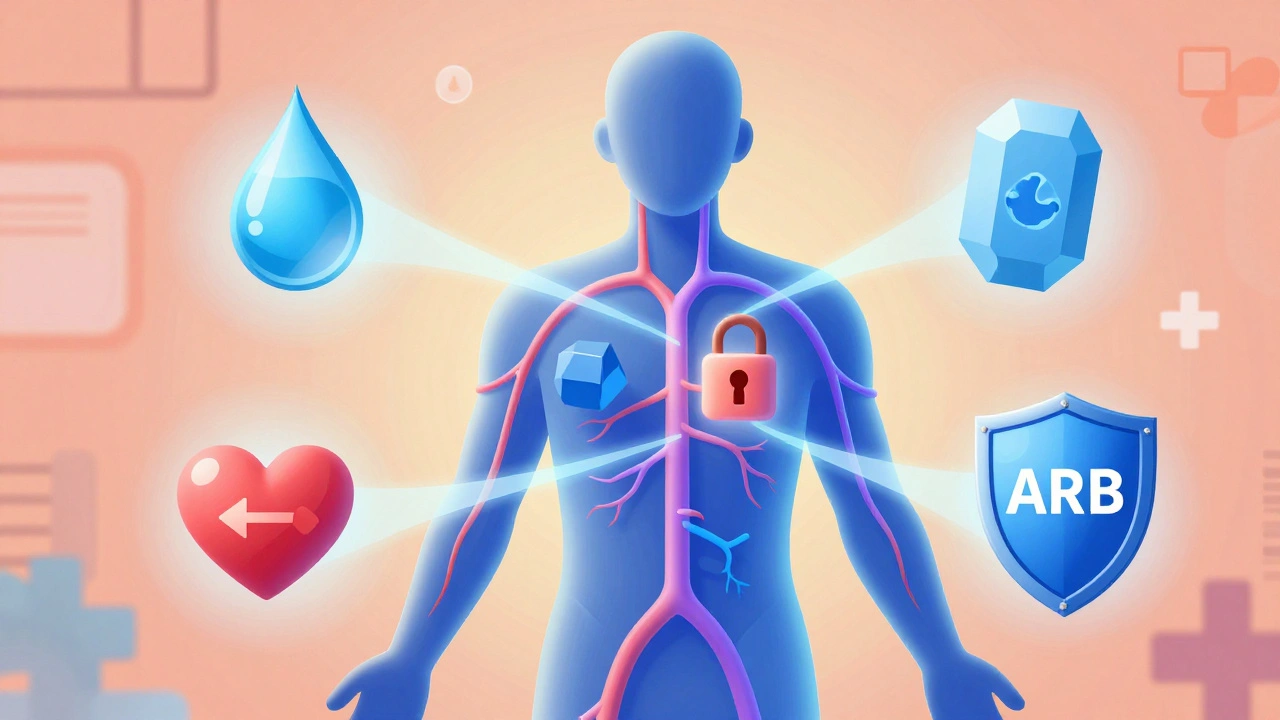
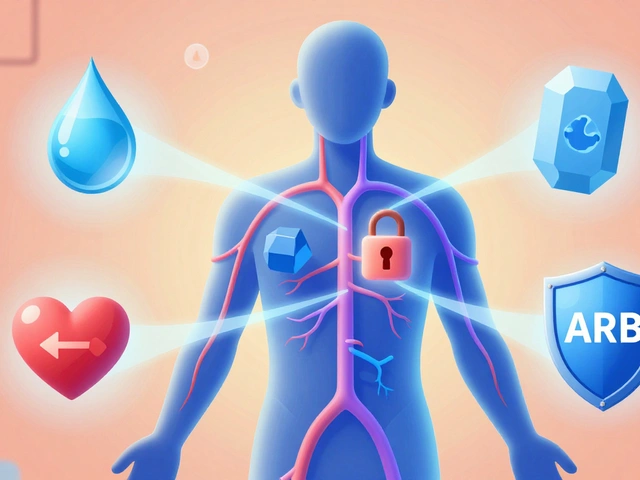
Your body controls blood pressure through a mix of hormones, nerves, and fluid balance. Blood pressure meds don’t just lower numbers-they target specific parts of that system. Think of them like tools in a toolbox. Each one fixes a different problem. For example, diuretics (often called water pills) help your kidneys flush out extra salt and water. Less fluid in your bloodstream means less pressure on your artery walls. ACE inhibitors stop your body from making a hormone called angiotensin II, which tightens blood vessels. ARBs block that same hormone from acting at all. Calcium channel blockers relax the muscles in your arteries, making them wider. Beta-blockers slow your heart rate and reduce the force of each beat. There’s no one-size-fits-all approach. Your doctor picks a drug based on your age, race, other health conditions, and even how your body responds to certain chemicals. For instance, African Americans often respond better to calcium channel blockers or diuretics than to ACE inhibitors. If you have diabetes or kidney disease, ACE inhibitors or ARBs are preferred because they protect your kidneys-not just your heart.Top Five Classes of Blood Pressure Medications
There are more than ten types, but five make up the vast majority of prescriptions in the U.S. Here’s what you’re likely to be prescribed:- Thiazide diuretics (like hydrochlorothiazide): These are often the first choice for people without other major health issues. They’re cheap, effective, and backed by decades of research showing they reduce stroke and heart attack risk.
- Calcium channel blockers (like amlodipine): These are especially helpful for older adults and people with isolated systolic hypertension (high top number). They’re also good for those who can’t tolerate diuretics.
- ACE inhibitors (like lisinopril): These are the go-to for people with diabetes, heart failure, or chronic kidney disease. They reduce protein loss in urine and slow kidney damage.
- ARBs (like losartan): Similar to ACE inhibitors but without the dry cough side effect. Often used if someone can’t take an ACE inhibitor.
- Beta-blockers (like metoprolol): These aren’t first-line for most people anymore-but they’re critical if you’ve had a heart attack, have heart failure, or have a fast heart rhythm.
The top four most prescribed blood pressure medications in the U.S. are lisinopril, amlodipine, metoprolol, and hydrochlorothiazide. That’s not random-it’s based on effectiveness, safety, and cost.
Common Side Effects and What to Do About Them
Side effects are why so many people stop taking their meds. About half of patients quit within a year-not because they don’t care, but because they feel worse on the drug than they did with high blood pressure. Here’s what to expect from each class:- Diuretics: You’ll pee more-especially at first. That’s normal. But they can drop your potassium too low, causing muscle cramps or irregular heartbeat. Your doctor will check your blood levels every few months.
- Calcium channel blockers: Swelling in your ankles is common, especially with amlodipine. Flushing, dizziness, and headaches happen too. Constipation can be a problem with verapamil.
- ACE inhibitors: A dry, hacking cough affects 10-20% of users. It’s not dangerous, but it’s annoying. If it sticks around, you’ll likely switch to an ARB. Rarely, they can cause swelling of the face or throat (angioedema)-this is an emergency.
- ARBs: Fewer coughs than ACE inhibitors, but still risk high potassium and kidney issues, especially if you’re dehydrated or take NSAIDs like ibuprofen.
- Beta-blockers: Fatigue, cold hands and feet, and trouble sleeping are common. They can hide symptoms of low blood sugar in diabetics. Don’t stop these suddenly-you could trigger a heart attack.
If you get dizzy when standing up, that’s orthostatic hypotension. It’s more common in older adults and with certain meds like alpha-blockers. Get up slowly. Drink water. Tell your doctor. There’s almost always a fix.
When Medications Can Be Dangerous
Some combinations can hurt you. Others are outright dangerous for certain people.- Never combine ACE inhibitors and ARBs. This doesn’t lower blood pressure better-it just raises your risk of kidney failure and dangerously high potassium levels.
- NSAIDs (ibuprofen, naproxen) can cancel out your blood pressure meds. They also stress your kidneys, especially if you’re on a diuretic or ACE inhibitor. Use acetaminophen instead for pain.
- Beta-blockers are risky for people with severe asthma. They can trigger breathing attacks.
- Calcium channel blockers like diltiazem or verapamil aren’t safe with heart failure with reduced pumping power. They can make it worse.
- Pregnancy is a red flag for ACE inhibitors, ARBs, and direct renin inhibitors. These can cause birth defects. If you’re pregnant or planning to be, your doctor will switch you to methyldopa or labetalol.
The FDA requires black box warnings on all ACE inhibitors and ARBs because of fetal harm. If you’re a woman of childbearing age, your doctor should talk to you about birth control options before prescribing these.
What Your Doctor Is Thinking
Doctors don’t just pick a drug and hope for the best. They follow strict guidelines based on decades of research. For someone with stage 2 hypertension (systolic ≥140 or diastolic ≥90), the 2025 American Heart Association guideline says to start with two drugs at once-not one. That’s because most people need more than one to reach their target. The most common combo? A diuretic plus an ACE inhibitor or calcium channel blocker. Sometimes it’s three drugs: a diuretic, a calcium blocker, and an ACE inhibitor or ARB. Your doctor also considers your other conditions:- If you have heart failure → ACE inhibitor or ARB + beta-blocker + diuretic
- If you have diabetes → ACE inhibitor or ARB first
- If you’ve had a heart attack → Beta-blocker + ACE inhibitor
- If you’re over 65 → Start low, go slow. Diuretics or calcium blockers often work best.
- If you’re Black → Thiazide diuretic or calcium channel blocker preferred
There’s no magic pill. It’s about matching the right tool to your body’s needs.
Staying Safe and Sticking With Your Meds
The biggest threat to your health isn’t the medication-it’s not taking it. Studies show about half of people stop their blood pressure meds within a year. Why? Side effects. Forgetting. Feeling fine. Believing they don’t need it anymore. Here’s how to beat that:- Use a pill organizer or a medication reminder app. Studies show apps improve adherence by 15-20%.
- Take your meds at the same time every day-link it to something you already do, like brushing your teeth.
- Don’t skip doses because you feel fine. High blood pressure doesn’t hurt until it’s too late.
- Keep your follow-up appointments. Your doctor needs to check your potassium, kidney function, and blood pressure regularly.
- If a side effect bugs you, don’t quit. Talk to your doctor. There’s probably another drug that works just as well without the problem.
Some people worry about long-term damage from these drugs. But the real danger is uncontrolled high blood pressure. Left untreated, it leads to stroke, heart attack, kidney failure, and dementia. These medications prevent those outcomes. The risks of the drugs are small compared to the risks of doing nothing.
What’s Next for Blood Pressure Treatment
The future is getting smarter. Researchers are looking at genetic testing to predict who will respond best to which drug. Early data suggests some people metabolize beta-blockers or ACE inhibitors differently because of their DNA. In 5-10 years, we might start tailoring prescriptions based on your genes. Digital tools are already helping. Smart blood pressure cuffs that sync to your phone, apps that remind you to take pills and log readings-these are becoming standard in clinics. New drugs are in the pipeline, too. Endothelin receptor blockers and novel vasodilators are being tested for resistant hypertension-when three drugs still aren’t enough. But for now, the old standbys still work best for most people.Final Takeaway
Blood pressure meds aren’t a punishment. They’re your shield. The right one, taken consistently, can add years to your life and keep you active, independent, and free from hospital visits. Don’t let fear of side effects stop you. Work with your doctor. Ask questions. Try a different drug if one doesn’t fit. And never stop without talking to your provider first.You don’t need to be perfect. You just need to be consistent. Your heart will thank you.
Can I stop taking my blood pressure medication if my numbers are normal?
No. Normal blood pressure on medication means the drug is working-not that you no longer need it. Stopping suddenly can cause your pressure to spike, increasing your risk of stroke or heart attack. Some people can reduce or stop meds after major lifestyle changes, but only under a doctor’s supervision. Never quit on your own.
Which blood pressure medication has the least side effects?
There’s no single answer. Thiazide diuretics and calcium channel blockers like amlodipine tend to have fewer serious side effects for most people. But side effects vary by person. One person tolerates lisinopril fine; another gets a constant cough. It’s about trial and adjustment. Your doctor will start with the safest option for your profile and switch if needed.
Are natural remedies enough to replace blood pressure meds?
Lifestyle changes-like losing weight, cutting salt, exercising, and reducing alcohol-are powerful. But for most people with stage 1 or 2 hypertension, they’re not enough alone. Medication reduces stroke risk by 35-40%. Diet and exercise alone usually reduce it by 10-20%. For people with high risk or existing organ damage, skipping meds can be dangerous. Use lifestyle changes to support your meds, not replace them.
Why do I need to check my potassium levels on blood pressure meds?
ACE inhibitors, ARBs, and some diuretics can raise or lower potassium. Too much potassium (hyperkalemia) can cause dangerous heart rhythms. Too little (hypokalemia) can lead to muscle weakness and irregular heartbeat. Your doctor checks it every few months, especially when starting or changing meds. Eating potassium-rich foods like bananas or spinach isn’t enough to fix imbalances caused by drugs-blood tests are needed.
Can I take blood pressure meds with other prescriptions?
Some combinations are risky. NSAIDs (ibuprofen, naproxen), decongestants (pseudoephedrine), and certain antidepressants can interfere with blood pressure meds or raise your pressure. Even some herbal supplements like licorice root or St. John’s wort can cause problems. Always tell your doctor and pharmacist about every pill, vitamin, or herb you take-even if you think it’s harmless.
For those managing high blood pressure long-term, the goal isn’t just to hit a number-it’s to live well. With the right medication, regular monitoring, and smart habits, you can control your blood pressure without letting it control your life.
about author

Kathy Haverly
Wow, another corporate-approved drug guide. Did you get paid by Pfizer to write this? Diuretics cause electrolyte chaos, ACE inhibitors make you cough like you’re dying, and beta-blockers turn you into a zombie. And don’t even get me started on how they ignore the real solution: diet and fasting. But sure, keep popping pills and blaming your body.
Also, ‘black box warnings’? More like black box lies. The FDA’s been corrupted since the 90s. You think they care if you live or die? They care about stock prices.
My uncle died from kidney failure after being on lisinopril for 8 years. They called it ‘natural progression.’ It was pharmaceutical negligence.
Stop selling fear. Start selling truth.
Graham Abbas
There’s something profoundly poetic about how medicine has become this elaborate dance between chemistry and human vulnerability.
We’ve reduced the body’s intricate symphony of hormones, nerves, and fluid dynamics into five pill categories - as if biology could be neatly boxed like IKEA furniture.
And yet… we still don’t know why one person thrives on amlodipine while another collapses under its weight. Is it genetics? Environment? Soul? We call it ‘individual variation’ - a polite euphemism for our profound ignorance.
Maybe the real miracle isn’t the drug - it’s that we still dare to believe we can fix what we barely understand.
And still, we reach for the pill. Not because we trust science - but because we’re terrified of the silence inside our own arteries.
There’s a kind of grace in that, isn’t there?
Even when we’re wrong, we keep trying.
That’s not medicine.
That’s love.
Elliot Barrett
This whole thing is overcomplicated BS. Just take a diuretic and stop whining. Everyone’s acting like these meds are poison when they’re literally the reason people aren’t dead.
My dad’s been on hydrochlorothiazide for 12 years. Still hikes, still plays golf. No cough, no swelling, no drama.
If you can’t handle side effects, maybe you’re just lazy. Or you eat too much salt. Or you’re an idiot who doesn’t drink water.
Stop making this a superhero origin story. It’s a pill. Take it. Move on.
Tejas Bubane
Let’s be honest - this guide reads like a pharmaceutical white paper masquerading as patient education.
They list ‘top five classes’ like they’re ranking NBA players. But no one mentions that 70% of these prescriptions are given to people who don’t even meet the new 2025 hypertension thresholds.
And the ‘lifestyle changes aren’t enough’ line? That’s a cop-out. You don’t want to admit the system’s broken - so you push pills instead of fixing food deserts, work stress, or sleep deprivation.
Also - ‘genetic testing for drug response’? That’s 10 years away. Meanwhile, people in rural India are managing BP with yoga and neem leaves.
We’ve medicalized normalcy. And it’s disgusting.
Lisa Whitesel
Stop taking your meds because you feel fine. That’s how you end up in the ER with a stroke at 48
Doctors don’t care about you. They care about their quotas
NSAIDs are killers. Acetaminophen is fine
Women of childbearing age get warned but no one tells men their meds can cause birth defects too
You think this is about health. It’s about profit
Take the pill. Stay quiet. Die on schedule
Larry Lieberman
Just took my lisinopril and I’m feeling so grateful 🙏
My BP was 160/98 last month. Now it’s 122/76. No joke - I feel like a new person.
Used to get dizzy when I stood up. Now I can chase my toddler around without gasping.
Side effects? Yeah I had a little cough at first. Switched to losartan. Boom. Gone.
Don’t let fear win. Talk to your doc. Find your fit.
And yes - I use a pill app. It’s a game changer 📱💚
Also - if you’re thinking about quitting because you ‘feel fine’ - you’re literally playing Russian roulette with your heart 💔
Stay strong. You got this.
Richard Eite
America is weak. We take 12 pills a day and call it health
Other countries fix BP with diet and walking
Our doctors are drug reps with stethoscopes
Diuretics? More like diuretic propaganda
Stop letting corporations tell you how to live
Take a walk. Eat less salt. Stop crying about side effects
This isn’t medicine. It’s capitalism with a prescription pad
Katherine Chan
I know it feels overwhelming but you’re not alone
I was scared of my meds too - thought they’d turn me into a zombie
Turns out they just helped me play with my grandkids without getting winded
It’s okay to feel scared
It’s okay to hate the side effects
But don’t give up on yourself
Find a doctor who listens
Try a different pill
Use a reminder app
Drink water
Take a breath
You’re doing better than you think
And your heart? It’s rooting for you ❤️
Ronald Ezamaru
As someone who grew up in Nigeria where hypertension was managed with traditional herbs and daily walks - I’ve seen both worlds.
Western medicine saved my mother’s life when she had a stroke. But the over-reliance on pills? It’s a cultural blind spot.
Here’s the truth: medication isn’t the enemy. The system is.
We don’t teach people how to eat. We don’t fund community health walks. We don’t pay doctors to spend 20 minutes listening.
So we hand out pills and call it care.
But I’ve seen patients in Lagos manage BP better than most Americans - not because they’re stronger, but because their lives are simpler.
Maybe the real solution isn’t a new drug.
Maybe it’s a return to rhythm.
Food. Movement. Community. Rest.
The pill helps. But it shouldn’t be the only thing.
Balance isn’t a buzzword. It’s survival.