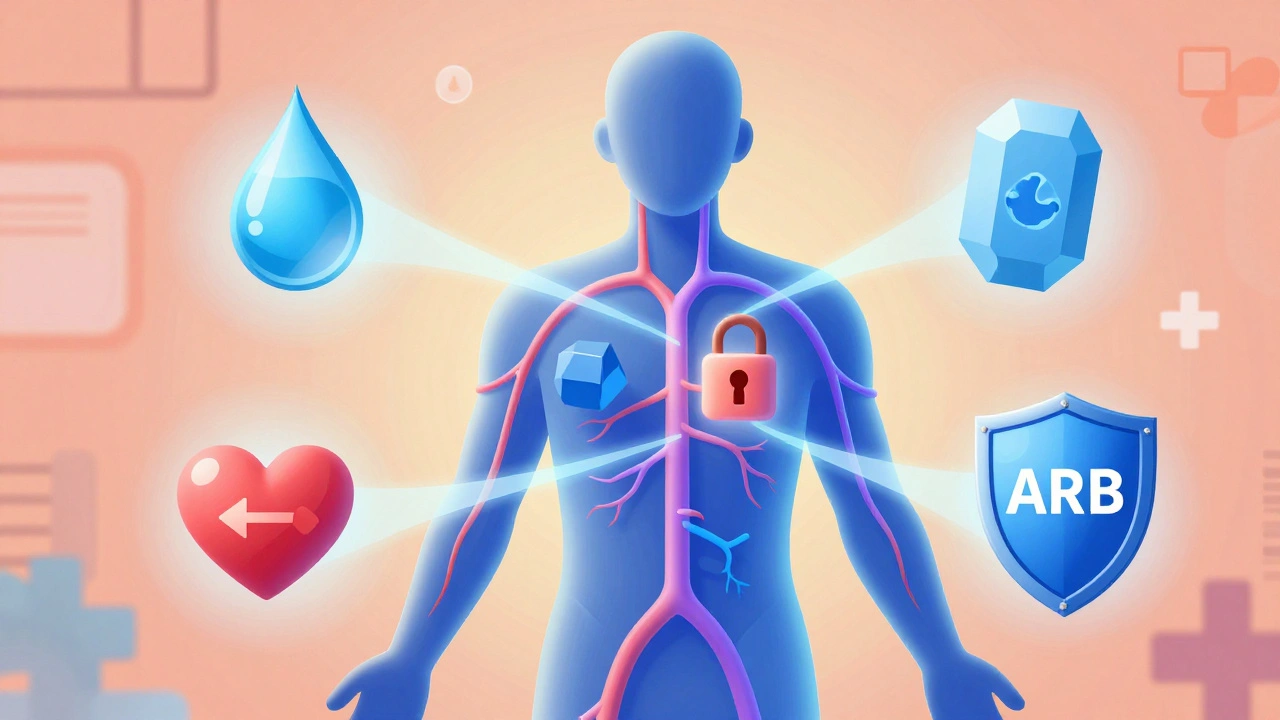
Learn the five main types of blood pressure medications, their common side effects, dangerous interactions, and how doctors choose the safest option for you based on your health profile in 2025.

When your doctor prescribes an ACE inhibitor, a type of medication that blocks the angiotensin-converting enzyme to relax blood vessels and reduce blood pressure. Also known as angiotensin-converting enzyme inhibitors, these drugs are one of the most common treatments for high blood pressure, heart failure, and kidney disease in people with diabetes. They don’t just lower numbers on a chart—they help protect your heart and kidneys over time by reducing strain on your blood vessels.
ACE inhibitors work by stopping your body from making angiotensin II, a chemical that narrows blood vessels and raises blood pressure. Without it, your vessels stay relaxed, your heart doesn’t have to work as hard, and your kidneys filter better. Common examples include lisinopril, enalapril, and ramipril. These aren’t just generic names—they’re proven choices used in millions of prescriptions every year. Many people take them for years without issues, but side effects like dry cough, dizziness, or high potassium levels can happen. That’s why regular check-ups and blood tests matter.
These drugs often show up in discussions about hypertension treatment, the systematic approach to managing high blood pressure through lifestyle changes and medication, especially when patients need to avoid certain drugs due to allergies or kidney concerns. They’re also frequently compared to angiotensin receptor blockers, a related class of blood pressure meds that work differently but target the same system, especially when a cough from an ACE inhibitor becomes unbearable. And while they’re not the first choice for everyone—like pregnant women or people with certain kidney conditions—they’re often the go-to for those with diabetes or heart failure because of their organ-protective effects.
What you’ll find in this collection isn’t just theory. Real stories from people managing high blood pressure, doctors explaining why they pick one ACE inhibitor over another, and guides on spotting early side effects before they become problems. You’ll see how these drugs fit into bigger conversations about medication safety, switching treatments, and what happens when generics replace brand names. There’s even info on how to handle missed doses, what to do if you feel lightheaded, and how to talk to your pharmacist when your pill looks different. This isn’t a textbook. It’s what people actually need to know to stay safe and in control.
Learn the five main types of blood pressure medications, their common side effects, dangerous interactions, and how doctors choose the safest option for you based on your health profile in 2025.