
Pediatric Sleep Apnea: Tonsils, Adenoids, and CPAP Explained
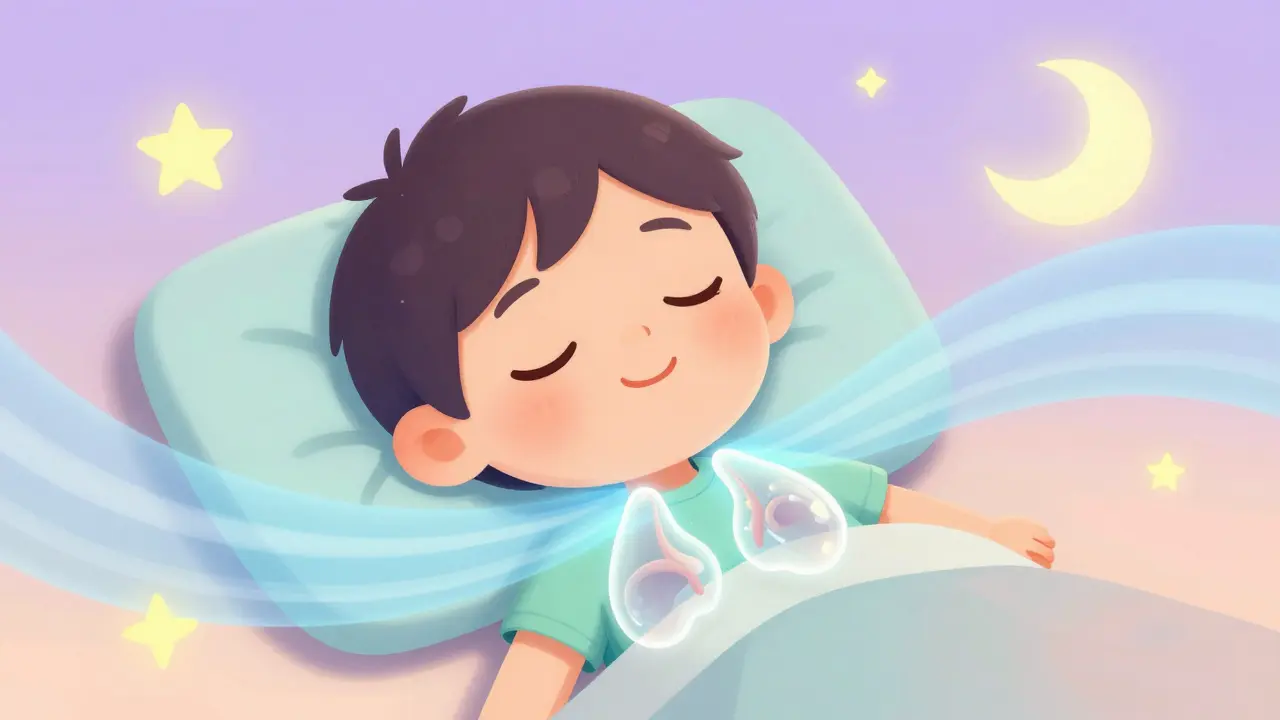
When a child snores loudly, stops breathing for a few seconds during sleep, or wakes up gasping, it’s not just noisy nights-it could be pediatric sleep apnea. This isn’t just about tired kids. Untreated, it can affect their focus in school, growth, heart health, and even behavior. The most common cause? Enlarged tonsils and adenoids. For many children, removing them is the fix. But when that doesn’t work-or isn’t safe-CPAP becomes the next step.
What Exactly Is Pediatric Sleep Apnea?
Pediatric obstructive sleep apnea (OSA) happens when a child’s airway gets blocked during sleep. It’s not rare. About 1 to 5 out of every 100 children have it, especially between ages 2 and 6, when their tonsils and adenoids are biggest compared to their small airways. These tissues, meant to trap germs, can grow too large and physically block airflow. Each time the airway closes, the child struggles to breathe. Their body wakes them up just enough to restart breathing-often without them remembering it. This can happen 15 to 30 times an hour.Doctors call this sleep fragmentation. It’s not just about being tired. It disrupts deep sleep needed for brain development, memory, and emotional regulation. Over time, it can lead to attention problems, learning delays, bedwetting, and even high blood pressure. That’s why it’s not something to ignore.
Why Tonsils and Adenoids Are the Main Culprits
Tonsils sit at the back of the throat. Adenoids are higher up, behind the nose. Together, they form a ring of lymphoid tissue that helps fight infections. But in many kids, they swell up-sometimes from repeated colds, allergies, or just natural growth patterns-and start crowding the airway.It’s not just size. The shape matters too. Some kids have narrow airways to begin with, so even modest enlargement causes problems. Research shows that in healthy children with no other conditions, removing both tonsils and adenoids together (called adenotonsillectomy) resolves sleep apnea in 70 to 80% of cases. That’s why the American Academy of Pediatrics recommends it as the first treatment for moderate to severe OSA in kids without other health issues.
But here’s something important: removing just one doesn’t always work. Studies show that if only the tonsils are taken out, or only the adenoids, the sleep apnea often comes back. That’s because both tissues contribute to the blockage. Experts like Dr. David Gozal from the University of Chicago stress that treating OSA means opening the airway as much as possible-and that means removing both.
What Happens During Adenotonsillectomy?
The surgery is done under general anesthesia and usually takes less than an hour. Most kids go home the same day. Recovery takes about 7 to 14 days. During that time, they need soft foods, lots of fluids, and rest. Pain is common, especially in the first few days, but most children bounce back quickly.There’s a newer technique called partial tonsillectomy-where only part of the tonsil is removed. It’s not available everywhere, but places like Yale Medicine use it because it cuts recovery time by about 30% and reduces bleeding risk by nearly half. It’s especially helpful for kids who are prone to complications or need to get back to school faster.
Still, surgery isn’t risk-free. About 1 to 3% of kids experience bleeding after surgery. A smaller number-around 0.5 to 1%-may have breathing problems that need intensive care. That’s why doctors watch them closely overnight. And even after a successful surgery, follow-up sleep studies are recommended 2 to 3 months later to make sure the apnea is truly gone.
When CPAP Is the Better Choice
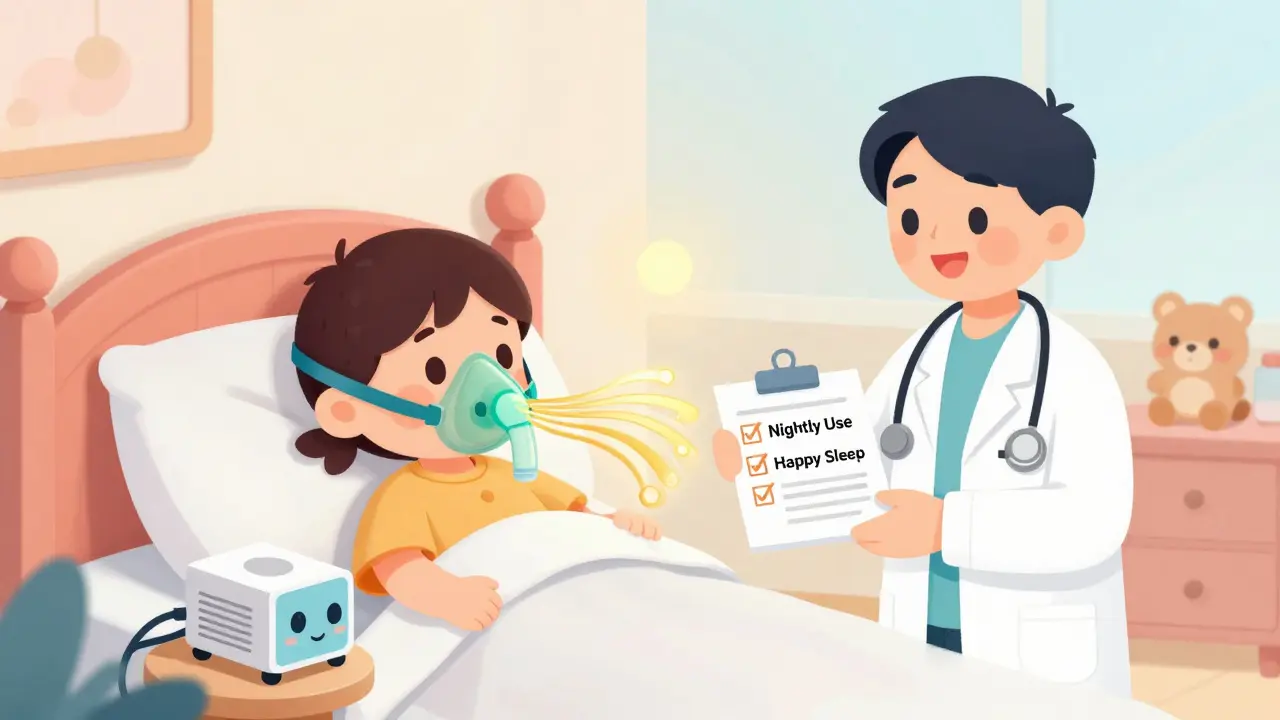
Not every child is a good candidate for surgery. If a child has obesity, a craniofacial disorder, a neuromuscular disease, or very small tonsils, removing them won’t fix the problem. That’s where CPAP comes in.CPAP stands for continuous positive airway pressure. It’s a machine that blows gentle, steady air through a mask worn over the nose or face during sleep. This keeps the airway open, preventing those pauses in breathing. For kids who need it, CPAP works in 85 to 95% of cases-when used correctly.
But here’s the catch: kids don’t always wear it. Studies show 30 to 50% of children struggle with adherence. Masks can feel claustrophobic. The noise of the machine is scary. The tubing gets tangled. And as kids grow, the mask doesn’t fit anymore-so it leaks, and the treatment stops working.
That’s why pediatric CPAP isn’t like adult CPAP. Specialized masks designed for children’s smaller faces are essential. Many hospitals have teams that help families adjust-trying different mask types, adjusting pressure settings, and even using reward charts to encourage nightly use. Pressure levels for kids are lower than for adults-usually between 5 and 12 cm H₂O-and must be fine-tuned during a sleep study.
CPAP is also used when surgery doesn’t fully fix the problem. About 15 to 20% of kids still have sleep apnea after adenotonsillectomy. For them, CPAP isn’t a backup-it’s the next step to protect their health.
Other Treatments You Might Not Know About
Not every child needs surgery or CPAP right away. For mild cases, doctors may try other options first.Inhaled corticosteroids-like fluticasone nasal spray-are sometimes used to shrink swollen adenoids. They work slowly, over 3 to 6 months, and can improve symptoms in 30 to 50% of mild cases. But they’re not a cure. If symptoms return after stopping, the treatment may need to restart.
Rapid maxillary expansion is an orthodontic device that widens the upper jaw over 6 to 12 months. It helps kids whose narrow palate contributes to airway crowding. Success rates are around 60 to 70%, but it’s only helpful if the problem is structural, not just from enlarged tonsils.
Montelukast, a daily pill usually used for asthma, is being studied for sleep apnea. It blocks inflammatory chemicals called leukotrienes that may cause tonsil swelling. Early results show it can reduce symptoms in mild cases, but it takes months to work and isn’t approved for this use in all countries.
And then there’s hypoglossal nerve stimulation-a newer option approved for select pediatric cases since 2022. A small device implanted in the chest stimulates the tongue muscle to keep the airway open. It’s used only in severe cases where other treatments failed, and only at specialized centers.
What Parents Should Watch For
You don’t need a sleep study to suspect sleep apnea. Look for these signs:- Loud, regular snoring-more than three nights a week
- Pauses in breathing during sleep
- Gasping, choking, or snorting noises
- Restless sleep, sleeping in odd positions (neck stretched back)
- Daytime sleepiness, irritability, or trouble concentrating
- Bedwetting after being dry for months
- Poor growth or weight gain
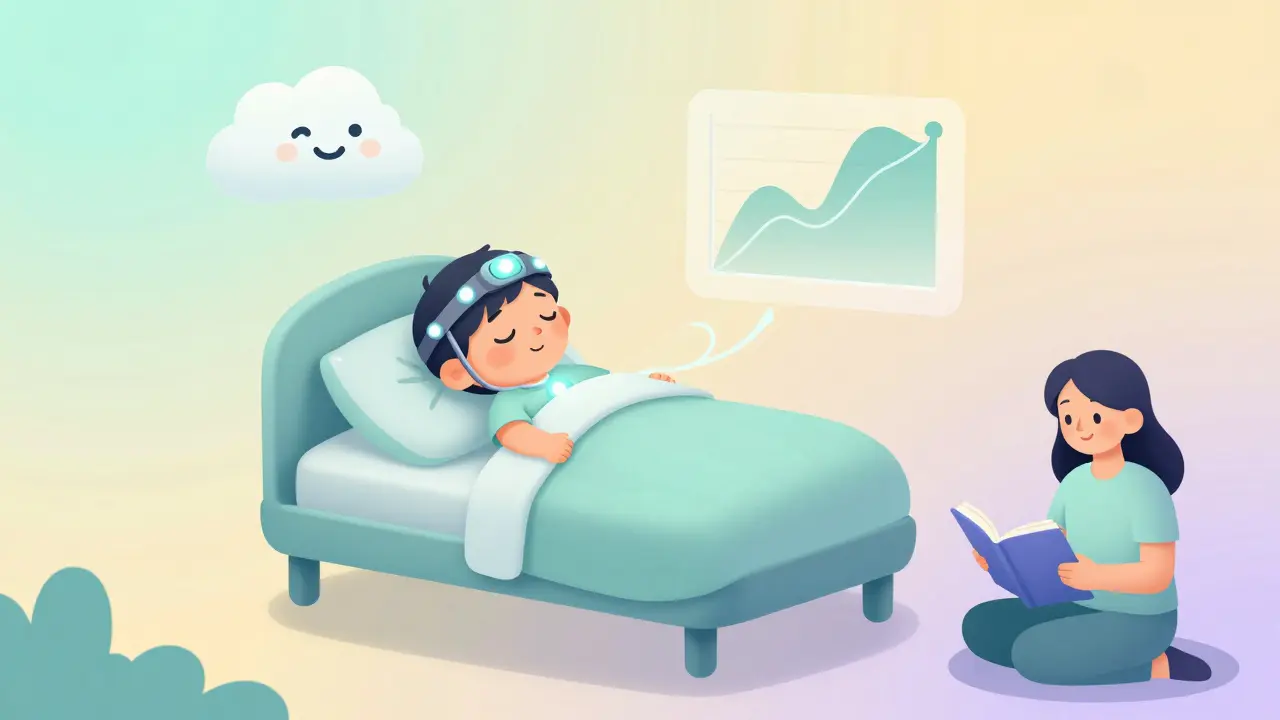
If you see two or more of these, talk to your pediatrician. They’ll likely refer you to a sleep specialist. The gold standard test is a polysomnography-a sleep study that tracks brain waves, oxygen levels, heart rate, breathing patterns, and muscle movements. It’s the only way to confirm OSA and decide on the right treatment.
Long-Term Outlook
Most kids who get treated for sleep apnea do well. After adenotonsillectomy, many see big improvements in behavior, school performance, and energy levels within weeks. Kids on CPAP often show similar gains once they adapt to the mask.But sleep apnea can come back. If a child gains weight, develops allergies, or grows into a new facial structure, the airway can narrow again. That’s why ongoing monitoring matters. Follow-up visits, even years later, are important.
What’s clear now is that pediatric sleep apnea isn’t just a breathing problem. It’s a developmental one. Treating it early can change a child’s trajectory-helping them sleep better, learn better, and grow stronger.
about author

dean du plessis
I used to think my kid just snored because he was a deep sleeper. Turns out he was gasping for air every 10 minutes. We didn’t catch it until he started failing math. Now he sleeps like a angel and his teacher says he’s the first one raising his hand. Just saying - if you’re wondering, get it checked.
Kylie Robson
It’s critical to distinguish between primary snoring and obstructive sleep apnea (OSA) with a polysomnographic evaluation, as the apnea-hypopnea index (AHI) must exceed 1.5 events per hour in pediatric populations to meet diagnostic criteria per the American Academy of Sleep Medicine. Tonsillectomy with adenoidectomy remains the first-line intervention for adenotonsillar hypertrophy, but comorbidities like obesity-related hypoventilation or craniofacial syndromes necessitate a multidisciplinary approach including ENT, pulmonology, and sleep medicine.
Caitlin Foster
So let me get this straight - we’re cutting out perfectly good immune tissue because a kid snores? And then we strap a mask on a 4-year-old that looks like a sci-fi prop? And you call that progress? I’ve seen kids cry themselves to sleep with CPAP. Meanwhile, the real fix? Maybe stop letting them eat sugar and chips before bed. Just saying.
Todd Scott
As someone who’s worked in pediatric sleep clinics for over a decade across three states, I’ve seen the full spectrum - from the kid who had a 30-event-per-hour apnea index and improved dramatically after adenotonsillectomy, to the 12-year-old with Down syndrome who needed CPAP because their airway anatomy just doesn’t allow for surgical correction. The key is not one-size-fits-all. It’s about mapping the individual’s anatomy, physiology, and lifestyle. And yes, the newer partial tonsillectomy techniques are game-changers - less pain, faster return to school, fewer complications. But they require surgeons trained in those specific methods, which aren’t available everywhere. So access is still a huge barrier, especially in rural areas.
Andrew Gurung
Oh wow. So we’re just going to cut out the tonsils like it’s some kind of 1980s fad? Meanwhile, the real issue is that parents don’t know how to raise kids anymore. Sugar, screen time, sedentary lifestyles - that’s what’s causing this. And now we’re medicating and operating instead of teaching discipline. 😒
Paula Alencar
As a pediatric nurse practitioner who has guided over 200 families through this journey, I cannot emphasize enough the profound, life-altering impact that early intervention has on a child’s neurocognitive development. The restoration of restorative sleep not only mitigates the risk of cardiovascular strain and metabolic dysregulation but also fosters emotional resilience, academic engagement, and social competence. It is not merely a medical procedure - it is an investment in the child’s entire developmental trajectory. Families who delay care often report regret years later, when learning gaps have solidified and behavioral patterns have become entrenched.
James Bowers
Adenotonsillectomy is not a cure-all. The 20 to 30 percent failure rate post-surgery is well-documented in the literature. CPAP compliance in children remains suboptimal, and the long-term consequences of untreated OSA include not only cognitive deficits but also systemic inflammation and endothelial dysfunction. Therefore, a tiered, evidence-based algorithm must be followed, and parental education must be prioritized. Failure to do so constitutes a breach of the standard of care.
Raushan Richardson
My daughter had CPAP after her tonsils came out and it was a nightmare at first. We tried 5 masks. We did sticker charts. We watched videos together about the machine being a ‘sleep superhero.’ Now she asks for it every night. It’s not perfect but it’s working. To any parent stressed about this - you’re not alone. And it gets easier. Seriously.
Robyn Hays
I love how this post highlights montelukast as an option - it’s such a quiet revolution. I’ve seen kids with chronic allergies and mild OSA get relief from daily leukotriene blockers without surgery. It’s not glamorous, but sometimes the most elegant solutions are the ones that avoid scalpels and masks. And hypoglossal nerve stimulation? That’s sci-fi becoming real. Imagine a tiny device whispering to the tongue to stay open while the kid dreams. The future of pediatric sleep is weird, wonderful, and deeply human.