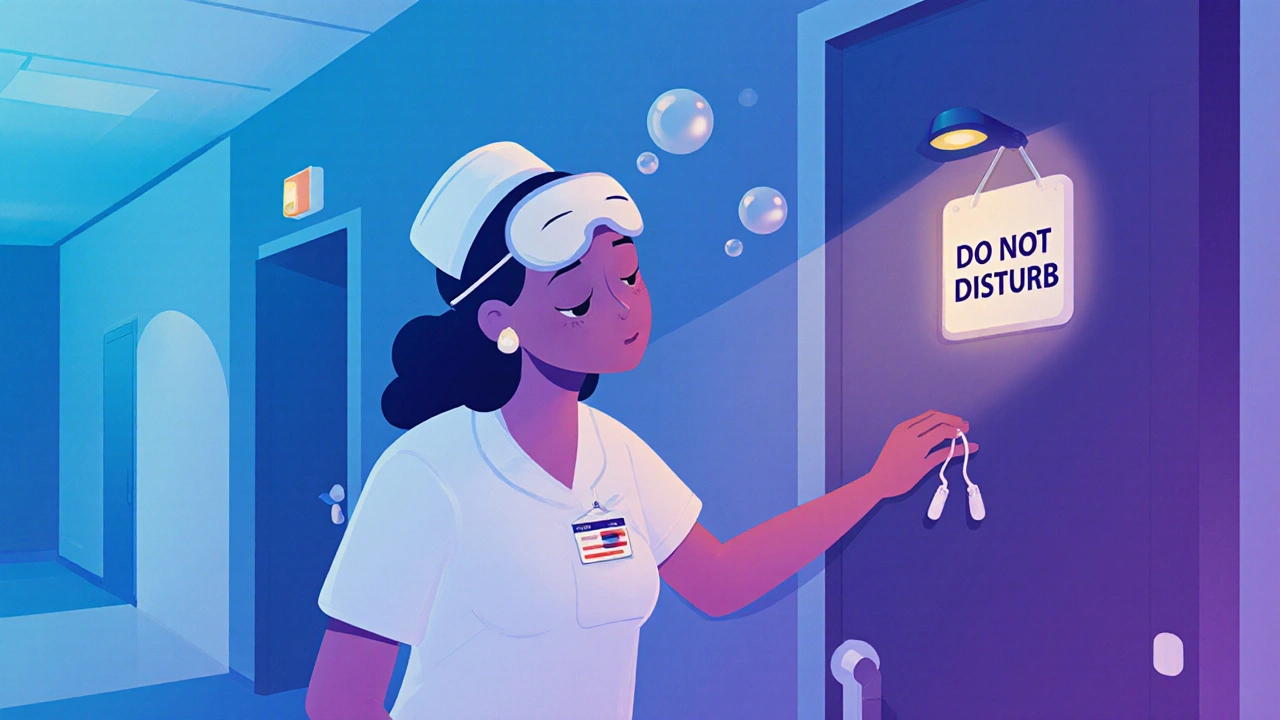
Strategic napping between 2-4 a.m. for 20-30 minutes can slash fatigue, cut errors, and improve safety for shift workers. Learn how to nap right and why it works better than coffee.

When you think of strategic napping, a planned, short period of sleep designed to restore alertness and cognitive function. It's not laziness—it's a tool used by astronauts, pilots, and top athletes to stay sharp under pressure. Unlike random dozing off, strategic napping follows clear rules: timing, length, and environment matter. It’s not about sleeping longer—it’s about sleeping smarter.
This approach ties directly to your circadian rhythm, your body’s internal 24-hour clock that controls sleep, hormones, and energy levels. body clock When you nap at the wrong time—say, late afternoon—you might mess up your nighttime sleep. But if you nap between 1 and 3 p.m., when most people hit a natural energy dip, you reset your brain without disrupting your night. That’s why NASA found a 26-minute nap improved pilot performance by 34% and alertness by 54%. It’s not magic—it’s biology.
Strategic napping also helps with sleep optimization, the practice of structuring sleep to maximize recovery and mental clarity. People who take 10- to 20-minute power naps report better memory, faster reaction times, and lower stress. Even a 6-minute nap can help if you’re sleep-deprived. It’s not a substitute for good nighttime sleep, but it’s a powerful buffer against burnout. Think of it like charging your phone while you’re still using it—quick, effective, and keeps you going.
You don’t need a nap room or fancy gear. Just find a quiet spot, set an alarm, and close your eyes. No caffeine right before. No screens. No guilt. The science is clear: if you’re feeling sluggish after lunch, a short nap beats another cup of coffee. It’s cheaper than energy drinks, safer than stimulants, and works better than willpower.
What you’ll find below are real-world guides on how napping connects to medications, health conditions, and daily routines. From how antihistamines affect your sleep cycle to how chronic illness changes your need for rest, these posts break down what actually works. Whether you’re managing fatigue from a long-term condition, balancing work and sleep, or just trying to get through the day without crashing—this collection gives you the facts, not the fluff.
Strategic napping between 2-4 a.m. for 20-30 minutes can slash fatigue, cut errors, and improve safety for shift workers. Learn how to nap right and why it works better than coffee.