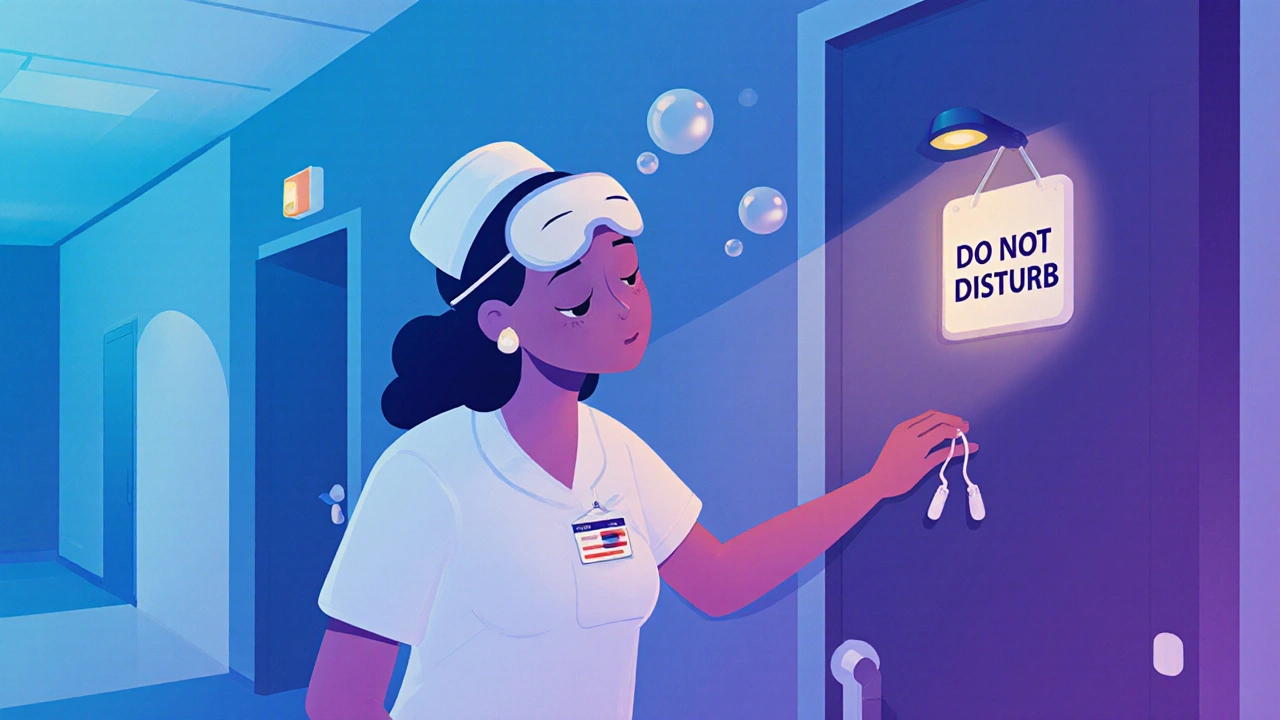
Strategic napping between 2-4 a.m. for 20-30 minutes can slash fatigue, cut errors, and improve safety for shift workers. Learn how to nap right and why it works better than coffee.

When you wake up and your brain feels like it’s still asleep, even though your eyes are open—that’s sleep inertia, a temporary state of impaired cognitive performance and grogginess after awakening. Also known as morning grogginess, it’s not laziness. It’s your brain struggling to shift from sleep mode to full alertness. This isn’t just a bad morning. For some people, it lasts over an hour. And if you’re taking certain meds, it could be making it a lot worse.
Antihistamines, drugs used for allergies that often cause drowsiness as a side effect—like cetirizine or diphenhydramine—are a big reason why people feel foggy even after a full night’s sleep. You might take them at night to help you sleep, but they linger in your system. When you wake up, your body is still processing them, and that’s when sleep inertia hits harder. It’s not just the alarm clock you’re fighting—it’s the leftover drug in your bloodstream. The same goes for some antidepressants, muscle relaxants, and even certain blood pressure pills. These drugs don’t just help you fall asleep; they can mess with how your brain wakes up.
Then there’s the circadian rhythm, your body’s internal clock that regulates sleep-wake cycles. If you’re waking up in the middle of a deep sleep cycle—say, at 6 a.m. after only four hours of deep sleep—you’re more likely to feel stuck in sleep inertia. That’s why people who work night shifts or have irregular schedules often report this feeling daily. It’s not just about how much you sleep—it’s about when you sleep and how your body’s timing lines up with your alarm.
And here’s the thing: sleep inertia isn’t just annoying. It’s dangerous. Imagine waking up, groggy, and trying to drive. Or taking your morning meds while still half-asleep. That’s when mistakes happen. The good news? You can reduce it. Avoiding heavy sedating meds at night, getting consistent sleep times, and using bright light right after waking can help your brain wake up faster. Some people even find that a quick 10-minute walk outside does more than caffeine.
Below, you’ll find real, practical guides on how medications—like antihistamines, antidepressants, and even pain relievers—can affect your alertness, your sleep, and your morning clarity. Some posts compare drugs that cause less drowsiness. Others explain how to time your meds so they don’t wreck your wake-up. This isn’t theory. These are real experiences and science-backed tips from people who’ve been stuck in that fog—and found a way out.
Strategic napping between 2-4 a.m. for 20-30 minutes can slash fatigue, cut errors, and improve safety for shift workers. Learn how to nap right and why it works better than coffee.