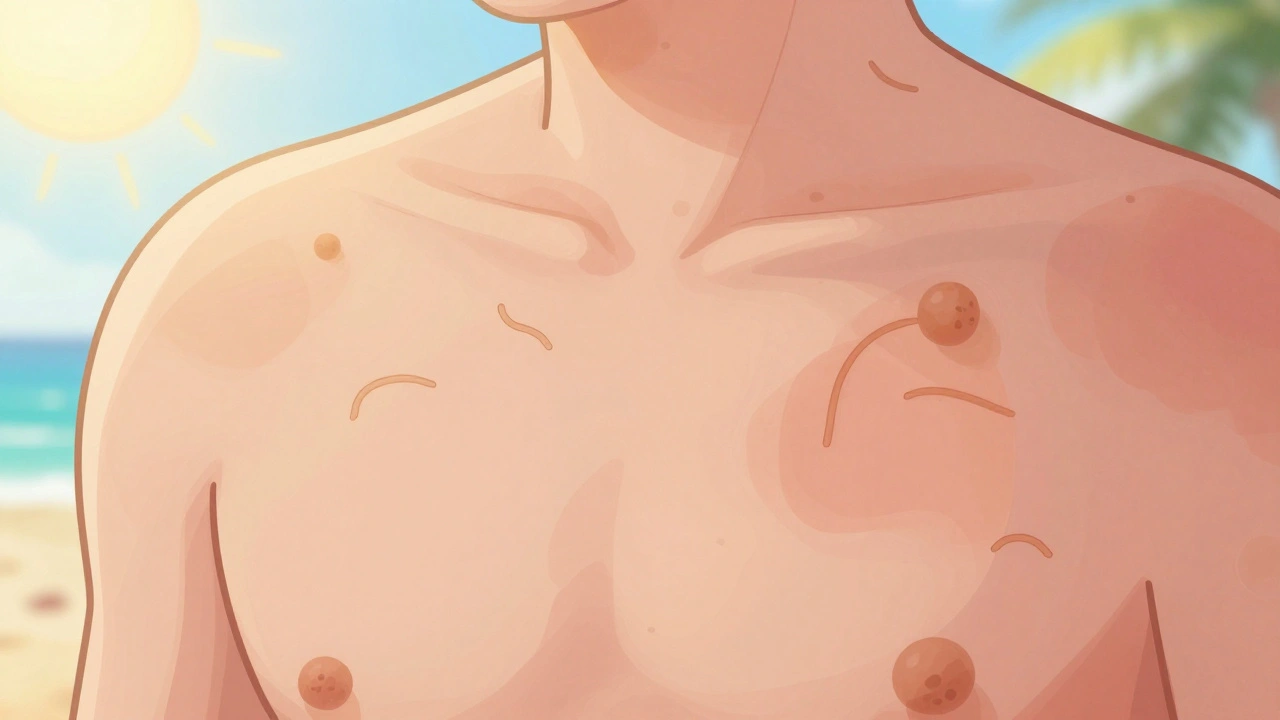
Tinea versicolor is a common yeast overgrowth that causes discolored skin patches. Learn how to treat it effectively and prevent it from coming back with simple, science-backed maintenance routines.

When you think of taking medicine, you probably picture a pill or a shot. But skin patches, adhesive strips that release medicine through your skin into your bloodstream. Also known as transdermal patches, they’re a quiet revolution in how we treat everything from pain to nicotine cravings. No swallowing, no needles—just stick it on and let your skin do the work. It’s simple, but it’s not magic. These patches work because your skin isn’t just a barrier—it’s a gateway. Special chemicals in the patch slowly push the drug through the outer layers and into your capillaries, where it travels where it’s needed.
Not all skin patches are the same. nicotine patches, used to help people quit smoking by slowly reducing dependence, are one of the most common. Then there are pain relief patches, like those with lidocaine or diclofenac, designed to target joint or muscle pain without affecting your whole body. Some even deliver hormones, like estrogen for menopause or fentanyl for chronic pain. The key difference? How fast they release the drug, how long they last, and what’s actually inside. A patch for quitting smoking doesn’t work for back pain, and vice versa. You can’t swap them like pills.
Why choose a patch over a pill? For starters, they avoid the stomach. That’s huge if you get nauseated easily or have trouble swallowing. They also give you steady levels of medicine—no spikes and crashes like with oral doses. But they’re not perfect. Skin irritation is common. Some people just don’t absorb the drug well. And if you forget to replace it? The dose drops. They’re convenient, but they still need you to stay on top of them.
What you’ll find in the posts below are real, practical insights from people who’ve used these patches—or dealt with the fallout when things go wrong. From how to make a nicotine patch stick better in humid weather, to why a pain patch might stop working after a few days, to what to do if your skin turns red and itchy. You’ll see how these patches fit into bigger stories: emergency meds, counterfeit drugs, medication safety, and even how insurance handles them. This isn’t theory. It’s what happens when real people rely on something small stuck to their arm to change their whole day.
Tinea versicolor is a common yeast overgrowth that causes discolored skin patches. Learn how to treat it effectively and prevent it from coming back with simple, science-backed maintenance routines.