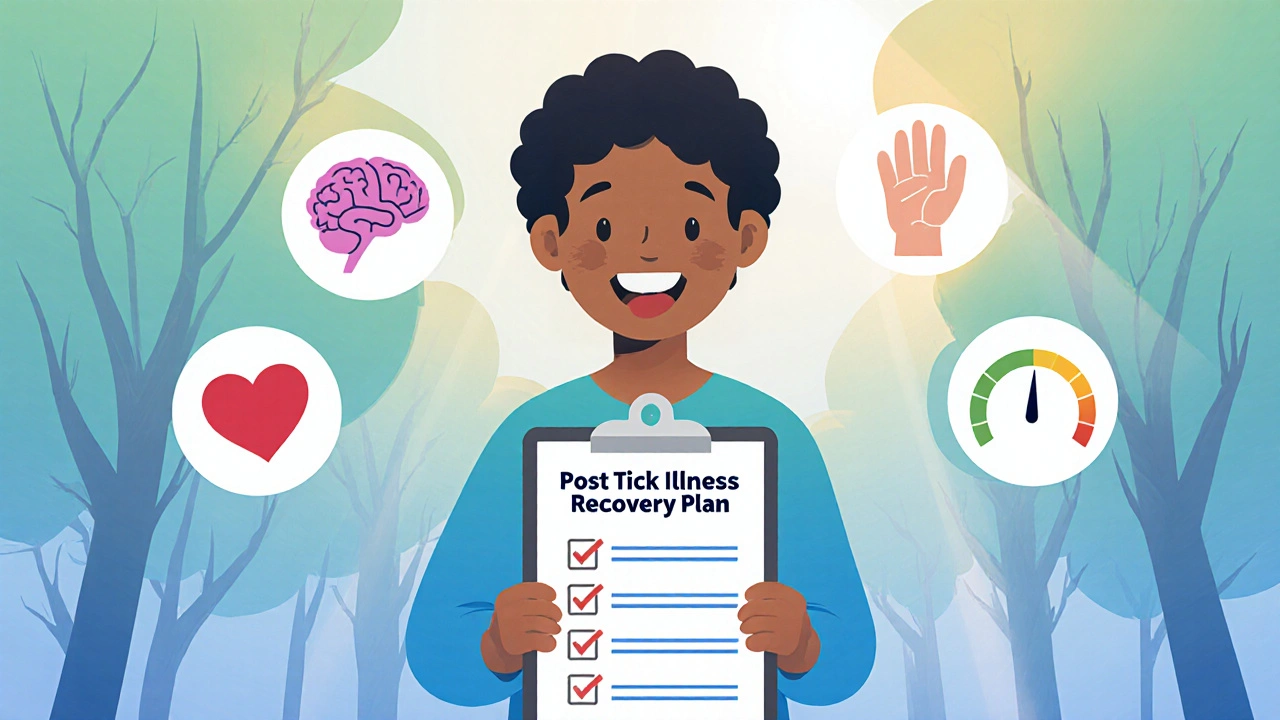
Regular check-ups after tick fever catch hidden complications, prevent relapses, and support long-term recovery. Don't assume you're fine just because the fever is gone.

When you think of regular health check-ups, routine medical visits designed to catch health issues before they become serious. Also known as preventive care visits, they’re not just about getting a stamp on your calendar—they’re your best defense against silent killers like high blood pressure, diabetes, and heart disease. Most people wait until they feel sick to see a doctor. But by then, it’s often too late. The truth is, many life-threatening conditions show zero symptoms in their early stages. That’s why getting checked every year—or as your doctor recommends—isn’t optional. It’s essential.
Early detection, the practice of identifying diseases before symptoms appear through screening and testing is what makes regular check-ups powerful. A simple blood test can catch high cholesterol before it clogs your arteries. A quick urine test can spot kidney trouble before you even feel tired. And catching thyroid issues or prediabetes early means you can fix them with lifestyle changes instead of pills or surgery. These aren’t theoretical benefits. Studies show people who stick to routine screenings live longer and spend less on emergency care over time.
But check-ups aren’t just about tests. They’re about context. Your doctor doesn’t just look at numbers—they ask about your sleep, your stress, your meds, your family history. That’s why posts here cover things like medication side effects, unwanted reactions to drugs that can mimic other illnesses, which often get missed during busy appointments. Ever felt drowsy after a new pill? That could be a sign. Did your doctor check your kidney function before prescribing that painkiller? They should have. These details matter. The posts below show you how to talk to your doctor, what tests to ask for, and how to spot when something’s off—even if you’re not feeling sick.
You’ll find real advice on how to prepare for your next visit, what screenings are actually needed based on your age and risk factors, and how to decode lab results that doctors throw at you without explanation. We cover everything from cholesterol screening to managing long-term meds like statins or antidepressants, and even how to avoid dangerous drug interactions that show up years later. This isn’t about fear. It’s about control. Knowing your numbers, understanding your body, and catching problems early isn’t just smart—it’s the only way to stay healthy without relying on luck.
Regular check-ups after tick fever catch hidden complications, prevent relapses, and support long-term recovery. Don't assume you're fine just because the fever is gone.