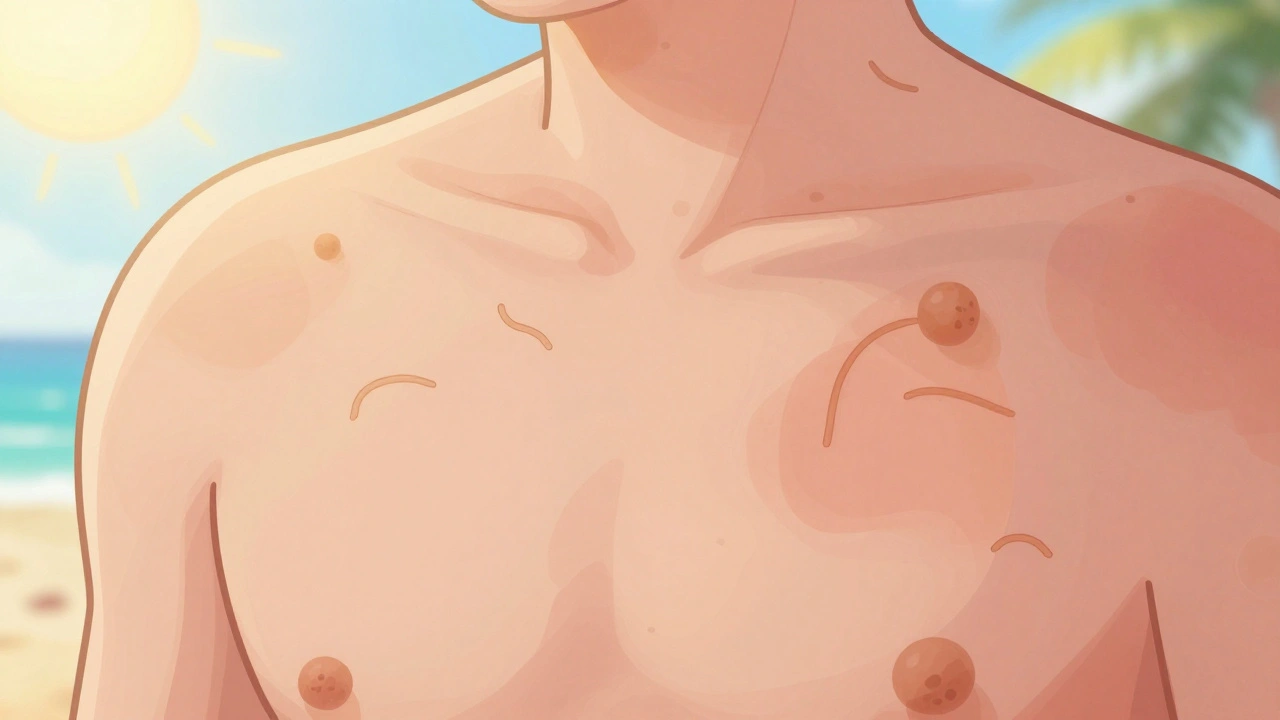
Tinea versicolor is a common yeast overgrowth that causes discolored skin patches. Learn how to treat it effectively and prevent it from coming back with simple, science-backed maintenance routines.

When a disease comes back after treatment, it’s not just frustrating—it’s dangerous. Recurrence prevention, the systematic effort to stop a condition from returning after initial treatment. Also known as relapse prevention, it’s not about hoping for the best—it’s about planning for the worst so it never happens. This isn’t just for cancer or infections. It’s for diabetes, heart failure, depression, epilepsy, even Lyme disease. If your body has fought it once, it can fight it again. And without the right steps, it will.
What makes recurrence prevention different from regular treatment? It’s not just taking pills. It’s about medication adherence, sticking to your prescribed schedule without skipping doses or stopping early. A 2023 study in the Journal of Clinical Pharmacology found that 40% of heart failure patients who stopped their meds after feeling better were back in the hospital within six months. That’s not bad luck—it’s preventable. Then there’s chronic disease management, ongoing monitoring and lifestyle changes that keep your body in balance. For someone with type 2 diabetes, that means checking blood sugar, eating right, moving daily—not just popping metformin and hoping for the best. And for mental health? It’s therapy sessions, sleep hygiene, and recognizing early warning signs before a full-blown episode hits.
Some conditions need long-term treatment just to stay stable. You don’t stop antibiotics after three days just because you feel better. Same goes for antivirals, immunosuppressants, or antidepressants. Yet people quit because they think they’re cured. They’re not. They’re just in remission. Long-term treatment, continuing care even after symptoms disappear is the backbone of recurrence prevention. And it’s not just about drugs. It’s about knowing your triggers—stress, poor sleep, certain foods, missed check-ups—and building habits that block them.
You’ll find posts here that show how pharmacists help patients stick to their regimens, how emergency kits keep critical meds ready during disruptions, and how switching drugs too fast can trigger a relapse. You’ll see how insurance hurdles make adherence harder, how counterfeit pills sabotage recovery, and how even something as simple as pill appearance can confuse patients into thinking they’re getting a different medicine. This isn’t theory. These are real barriers people face every day. And the solutions? They’re practical, proven, and already in use by doctors and patients who refuse to let their health slip away.
Tinea versicolor is a common yeast overgrowth that causes discolored skin patches. Learn how to treat it effectively and prevent it from coming back with simple, science-backed maintenance routines.