Microbial Contamination: What It Is, How It Spreads, and How to Stop It
When we talk about microbial contamination, the unwanted presence of bacteria, fungi, or other microorganisms in products that should be sterile. It’s not just dirt—it’s living organisms that can turn a life-saving pill into a health risk. This isn’t just a lab problem. It’s a real-world threat in hospitals, pharmacies, and drug factories where even a single missed step can lead to a patient getting sick—or worse.
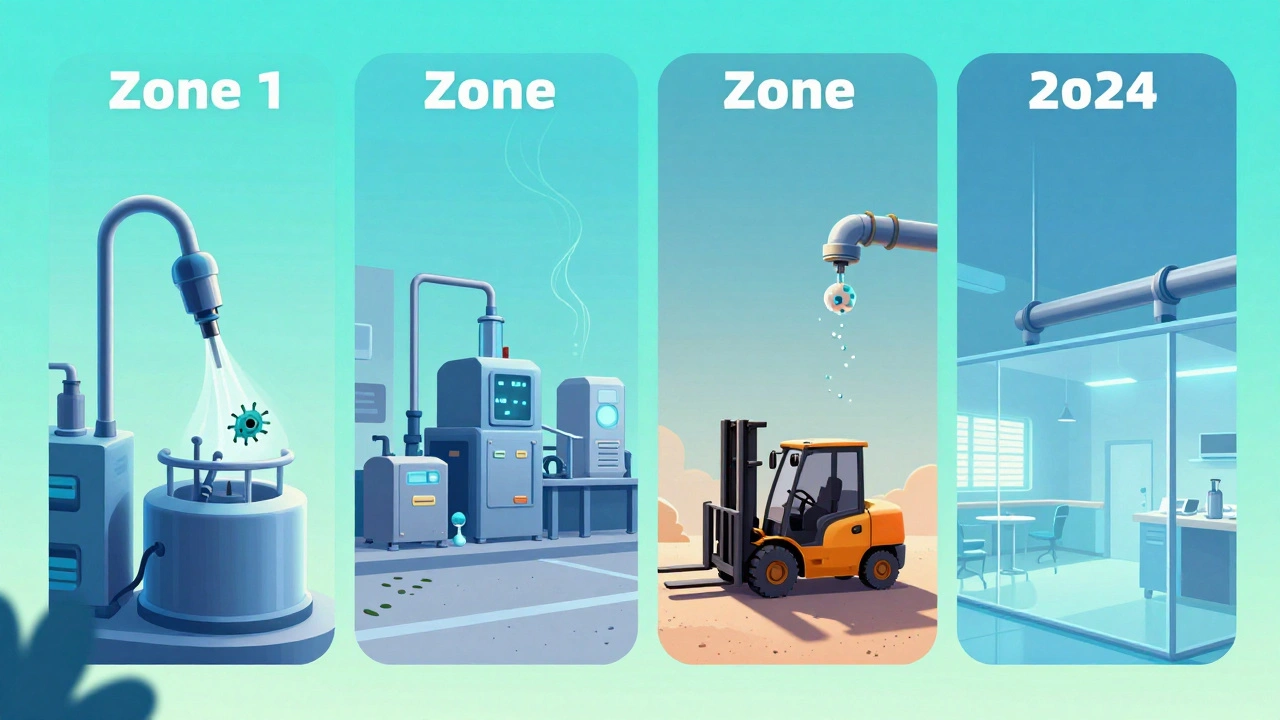
environmental monitoring, a system of testing air, surfaces, and water in manufacturing areas is one of the first lines of defense. Facilities don’t just guess if things are clean—they test. They use zone-based sampling, track particle counts, and monitor for mold spores and bacteria like Staphylococcus or Pseudomonas. These aren’t random checks. They follow strict standards set by the FDA and global health agencies. And when a test comes back positive? Production stops. That’s how seriously this is taken.
contamination testing, the process of identifying and measuring harmful microbes in medicines and materials isn’t just about keeping pills safe. It’s about trust. If you’re taking a generic version of your blood pressure med, you need to know it’s not packed with mold because someone skipped a swab test. That’s why manufacturing quality, the system of controls ensuring drugs are made safely and consistently includes microbial checks at every stage—from raw ingredients to sealed bottles.
It’s not just factories. Think about your own medicine cabinet. A pill left in a damp bathroom can grow mold. A vial of insulin left out too long? Bacteria can multiply. Even sterile injectables can become dangerous if handled with dirty hands. That’s why drug safety, the ongoing effort to prevent harm from medications at every point of use includes knowing how contamination happens—not just in labs, but in homes too.
What you’ll find below isn’t theory. It’s real practices from the front lines. You’ll read about how facilities catch contamination before it reaches patients, why some drug recalls happen, and how simple mistakes in storage can turn a safe medicine into a hazard. These aren’t abstract warnings—they’re lessons from actual events that changed how drugs are made and handled today.