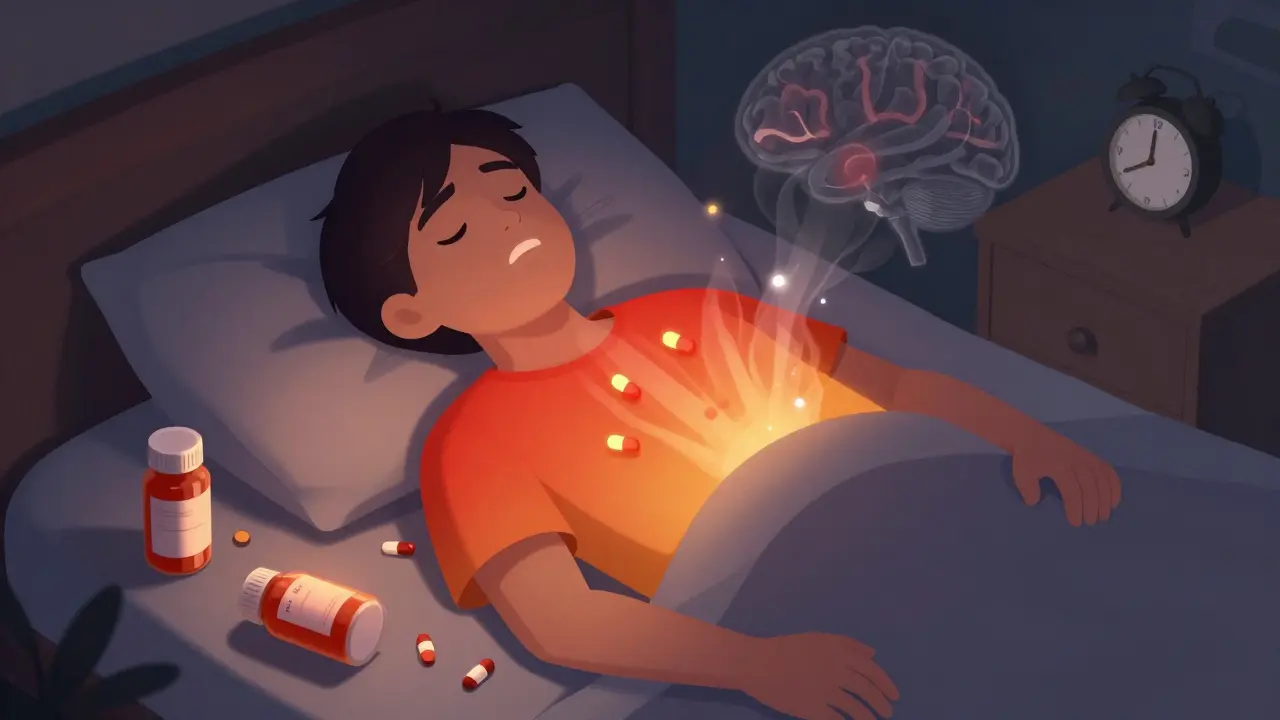
Combining sedating medications like opioids, benzodiazepines, and sleep aids can lead to deadly respiratory depression. Learn the most dangerous combinations, warning signs, and how to protect yourself or a loved one.

When your brain is stuck in overdrive — racing thoughts, panic, or insomnia — CNS depressants, a class of medications that slow down brain activity to calm the nervous system. Also known as central nervous system depressants, they help restore balance by boosting the effect of GABA, your brain’s natural calming chemical. These aren’t party drugs or lazy fixes. They’re precise tools used under medical supervision to treat anxiety, seizures, insomnia, and even muscle spasms. But misuse? That’s where things get dangerous.
There are three main types you’ll hear about: benzodiazepines, like diazepam and alprazolam, used for short-term anxiety and sleep issues; barbiturates, older drugs like phenobarbital, mostly for epilepsy now; and sleep medications, including zolpidem and eszopiclone, designed to help you fall and stay asleep. Each has its place, but they all carry risks — tolerance, dependence, and overdose, especially when mixed with alcohol or opioids. That’s why doctors don’t hand them out like candy.
You’ll find real-world advice in the posts below. Some talk about how newer antidepressants like Zuranolone and SPRAVATO are changing mental health treatment — and how they differ from older CNS depressants. Others warn about steroid-induced psychosis, which can look like a psychiatric emergency but is actually a drug reaction. There’s even a guide on managing ketorolac side effects, showing how even non-CNS drugs can interact with depressants. And if you’ve ever wondered why your generic pill looks different, or how to safely buy meds online, those posts are here too — because knowing what’s in your medicine matters just as much as knowing why you’re taking it.
Whether you’re a patient, caregiver, or just trying to understand why your doctor prescribed something that makes you drowsy, this collection gives you the facts — no fluff, no fearmongering. Just clear, practical info on what CNS depressants can and can’t do, how to use them safely, and what to watch for when things go sideways.
Combining sedating medications like opioids, benzodiazepines, and sleep aids can lead to deadly respiratory depression. Learn the most dangerous combinations, warning signs, and how to protect yourself or a loved one.
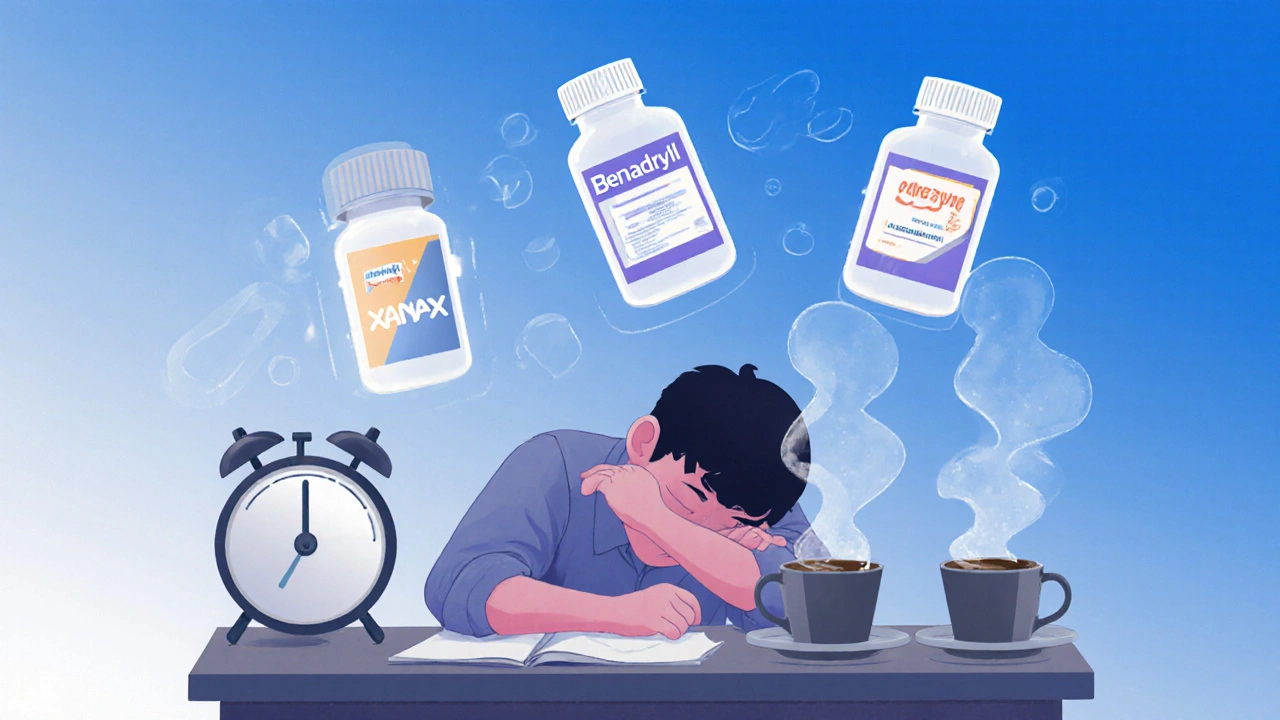
Medication-induced drowsiness affects 15-20% of adults and can impact safety, productivity, and quality of life. Learn the top causes, real-world fixes, and how to talk to your doctor without stopping your meds.