
Hypertension Management: Natural Strategies and Medication Control
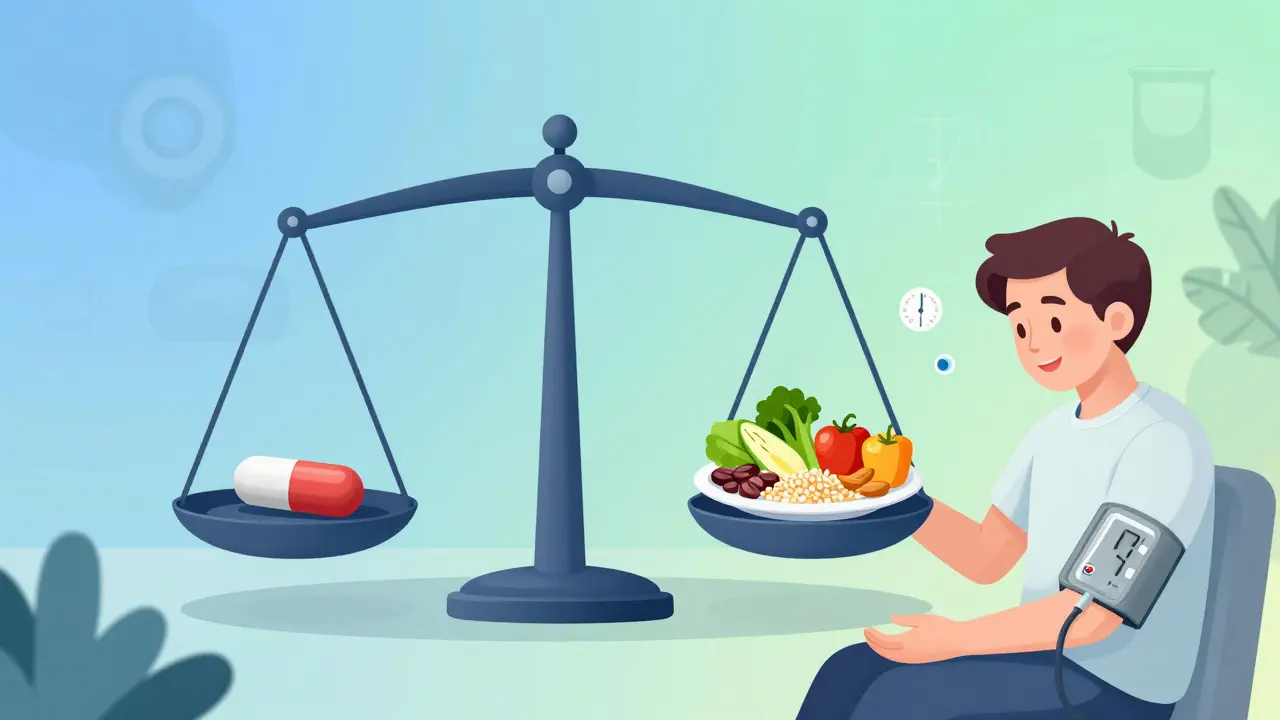
Hypertension isn't just a number on a machine. It's a silent threat that quietly increases your risk of stroke, heart attack, and kidney failure. If you're one of the 1.28 billion adults worldwide living with high blood pressure, you know the pressure isn't just physical-it's emotional, too. Managing it doesn't mean choosing between pills and natural fixes. It means using both wisely.
What Counts as High Blood Pressure?
The 2017 guidelines from the American Heart Association and American College of Cardiology set the bar clear: if your systolic pressure (top number) is consistently above 130 mm Hg or your diastolic (bottom number) is above 80 mm Hg, you have hypertension. This isn't a gray area. It’s a signal. And the good news? Lowering your blood pressure by just 5 mm Hg systolic cuts your stroke risk by 14%, your heart disease risk by 9%, and overall death risk by 7%. That’s not a small win. That’s life-changing.
Medication: The Fast Lane to Control
When your doctor prescribes an ACE inhibitor, a calcium channel blocker, or a diuretic, they’re not being overly cautious-they’re acting on solid science. First-line medications typically lower systolic pressure by 15 to 20 mm Hg within 2 to 4 weeks. Amlodipine, for example, can knock off 20-25 mm Hg. That’s faster and more predictable than most natural options.
But medications aren’t perfect. The National Institutes of Health recorded over 1,200 serious adverse events linked to antihypertensive drugs in 2022 alone. Dizziness, fatigue, cough, swelling, and electrolyte imbalances are common. That’s why many people look for ways to reduce their dose-or even avoid meds altogether.
The Real Power of Lifestyle: DASH Diet and Salt
If you do one thing right for your blood pressure, make it the DASH diet. Developed by the National Heart, Lung, and Blood Institute in 1997, DASH isn’t a fad. It’s a science-backed eating plan. Stick to it for 14 days, and systolic pressure drops 8-14 mm Hg. Do it for 30 days? The results get even stronger.
What does DASH actually mean? More vegetables, fruits, whole grains, nuts, and low-fat dairy. Less red meat, sugar, and saturated fat. But the biggest game-changer? Sodium. The average American eats 3,400 mg of salt daily. The DASH target? 1,500 mg. Cut it down, and you’ll see a 5-6 mm Hg drop in systolic pressure. That’s like adding a free medication to your routine.
And don’t forget potassium. Aim for 4,700 mg daily. Bananas, spinach, sweet potatoes, and beans are your allies. Potassium helps your body flush out excess sodium. The 2024 American Medical Association guidelines now officially recommend potassium supplementation of 2,500-3,500 mg per day for hypertension management.
Natural Supplements That Actually Work
Not all supplements are created equal. Some hype, some help. Here’s what the data says works:
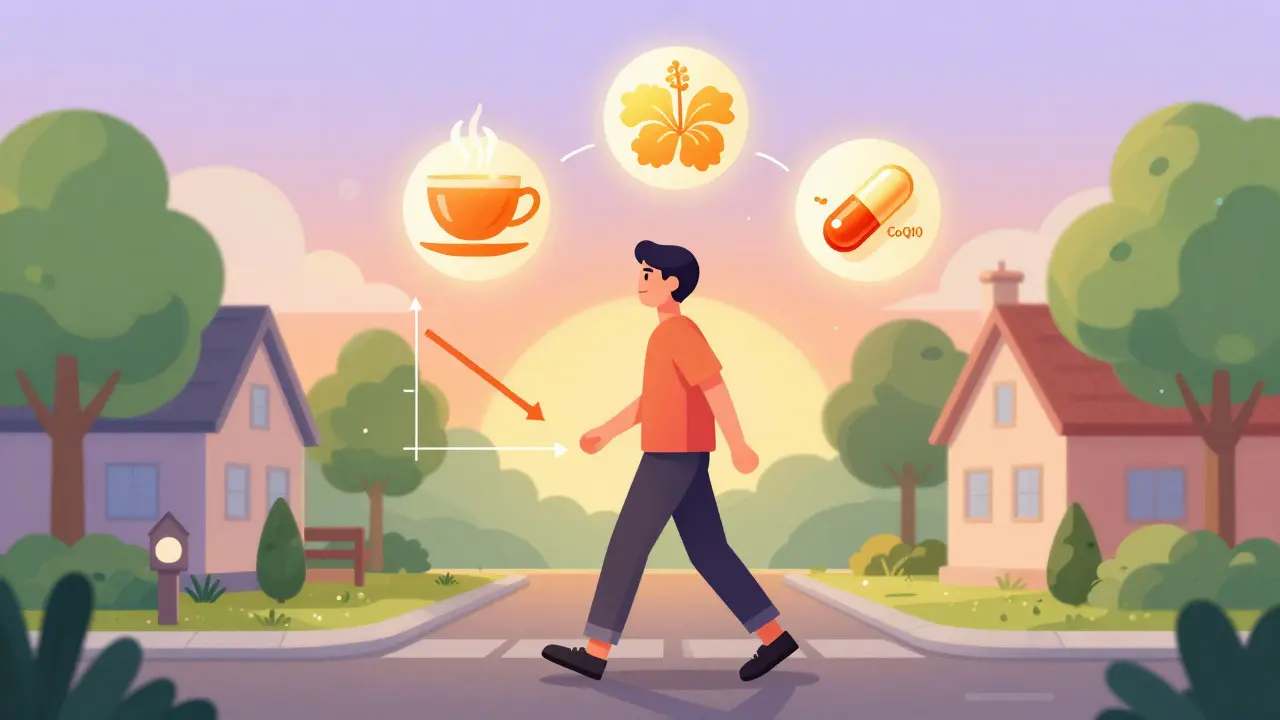
- Coenzyme Q10 (CoQ10): At 100-225 mg daily, it lowers systolic pressure by 11-17 mm Hg. It’s especially helpful for people on statins, which can deplete natural CoQ10 levels. Takes 4-8 weeks to show up on your readings.
- Garlic (aged extract): 600-1,200 mg daily reduces systolic pressure by 7-10 mm Hg in stage 1 hypertension. But be careful: garlic can thin your blood. If you’re on warfarin or aspirin, talk to your doctor first.
- Hibiscus tea: Three to four cups a day for six weeks can drop systolic pressure by 7.2 mm Hg. One Reddit user reported going from 148 to 135 systolic in six weeks. It’s affordable, tasty, and backed by a randomized trial in the Journal of Nutrition.
- Magnesium: 368 mg daily lowers systolic by 2 mm Hg and diastolic by 1.8 mm Hg. Magnesium glycinate is the best-absorbed form. Many users report fewer leg cramps and better sleep, too.
Be wary of claims. Hawthorn berry? Mixed results. St. John’s wort? It can raise blood pressure. Licorice root? Dangerous with diuretics. The FDA has sent warning letters to 15 supplement makers for making false BP claims. Stick to the ones with peer-reviewed studies.
Exercise and Weight Loss: The Hidden Medication
You don’t need a gym membership. Just move. 150 minutes a week of brisk walking-about 30 minutes, five days a week-lowers systolic pressure by 5-8 mm Hg. Jogging? Even better. Each kilogram (2.2 pounds) of weight lost drops systolic pressure by about 1 mm Hg. Lose 10 pounds? That’s 10 mm Hg gone.
And it’s not just about the scale. Exercise improves your artery flexibility, reduces inflammation, and lowers stress hormones. All of that helps your blood vessels relax. Combine it with the DASH diet, and you’re stacking powerful tools.
Mind-Body Practices: Calm the Nervous System
Stress doesn’t cause hypertension, but it sure makes it worse. Transcendental meditation, practiced for 20 minutes twice daily, has been shown to lower systolic pressure by 4.7-5.5 mm Hg. Deep breathing, yoga, and even guided meditation apps can help. The key? Consistency. Do it daily, even if it’s just five minutes.
A 2023 study in the New England Journal of Medicine showed that combining lifestyle changes with reduced medication doses achieved the same BP control as full-dose meds-but with 32% fewer side effects. That’s not magic. That’s smart management.
When Natural Approaches Aren’t Enough
Let’s be clear: if your blood pressure is 140/90 or higher, you have stage 2 hypertension. At this level, natural methods alone are not enough. Medication is necessary. The American Heart Association’s 2024 advisory says this plainly: natural approaches are adjuncts, not replacements, for high-risk patients.
But here’s the nuance. For people with stage 1 hypertension (130-139/80-89) and low cardiovascular risk, a 3-6 month trial of intensive lifestyle changes-with regular monitoring-might delay or even prevent the need for medication. Dr. Deepak Bhatt from Harvard says this is a valid, evidence-based approach. But it requires discipline. You can’t half-measure the DASH diet or skip workouts.
The Dangerous Middle Ground
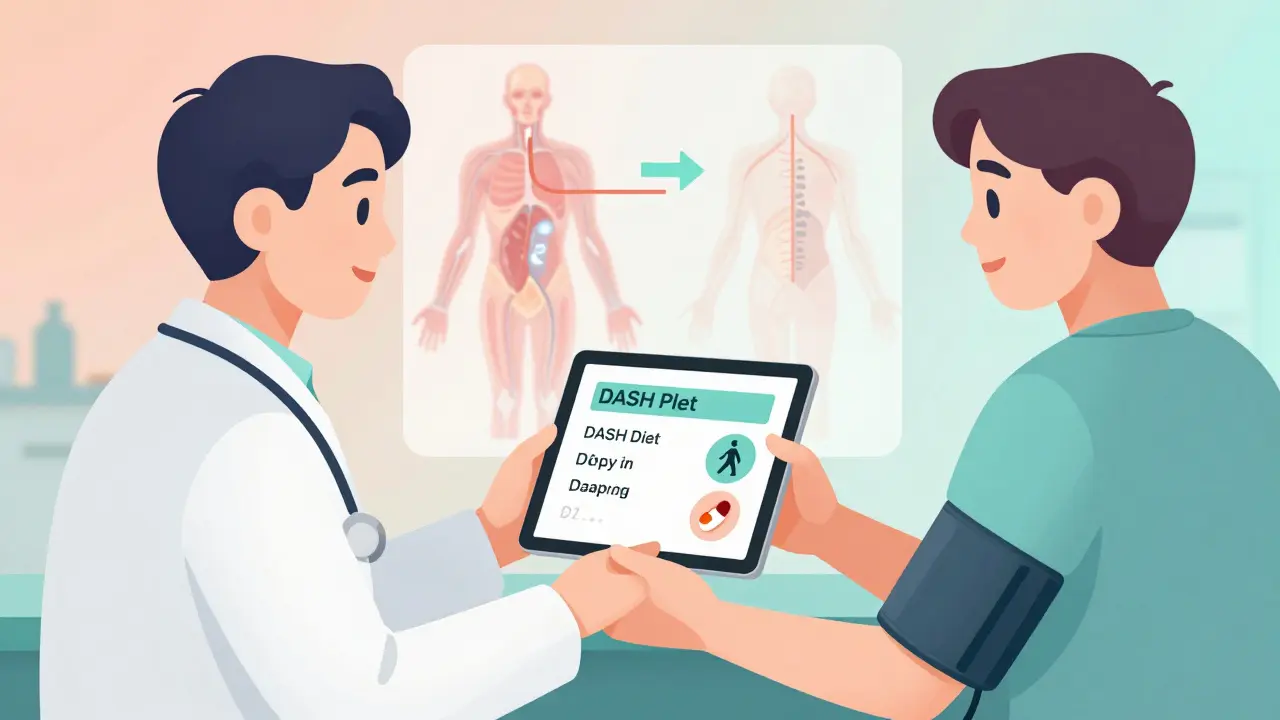
Many people think, “I’ll take my pill and also load up on garlic and CoQ10.” Sounds smart. But it’s risky. Garlic can enhance the effect of blood thinners. Hibiscus tea can amplify ACE inhibitors. Magnesium with a diuretic? Could lead to dangerously low potassium.
According to the National Center for Complementary and Integrative Health, 42% of supplement users never tell their doctor. That’s a problem. Your pharmacist can help. Bring your supplement bottles to your next appointment. Ask: “Could this interact with my blood pressure meds?”
What Works Best Together
Success doesn’t come from one magic fix. It comes from stacking small wins:
- Switch to the DASH diet and cut salt to 1,500 mg/day
- Walk 30 minutes, five days a week
- Take 100 mg of CoQ10 daily with a fatty meal
- Drink two cups of hibiscus tea daily
- Take 368 mg of magnesium glycinate at night
- Measure your BP twice a week and log it
People who combine DASH diet with exercise have a 73% success rate in controlling BP without needing higher medication doses. That’s the sweet spot.
What the Market Isn’t Telling You
The global market for hypertension treatments hit $32.7 billion in 2022. Natural supplements made up $5.9 billion of that-and are growing fast. Hibiscus tea sales on Amazon jumped 200% between 2021 and 2023. But most products aren’t regulated like drugs. Labels can be misleading. A 2023 analysis of 12,450 Amazon reviews found that 42% of hawthorn berry users reported no benefit. That’s not a failure of the herb-it’s a failure of inconsistent dosing.
Stick to brands that list exact milligram amounts. Avoid “proprietary blends” that hide the real dose. Look for third-party testing (USP, NSF, or ConsumerLab). And remember: price doesn’t equal quality.
Final Reality Check
Hypertension management isn’t about choosing between nature and medicine. It’s about using both, intelligently. Medications give you speed and reliability. Lifestyle and natural tools give you long-term control, fewer side effects, and better overall health.
If you’re on meds, don’t stop. But do add the DASH diet. Walk more. Drink hibiscus tea. Take CoQ10 or magnesium if your doctor agrees. Track your numbers. Talk to your provider. You’re not choosing sides. You’re building a better system.
High blood pressure doesn’t have to be a life sentence. With the right mix of science, discipline, and smart choices, you can take back control-one day, one meal, one step at a time.
Can I stop my blood pressure medication if I start using natural remedies?
No. Never stop prescribed medication without your doctor’s guidance. Natural strategies like diet, exercise, and supplements can help lower blood pressure, but they are not substitutes for medication in stage 2 hypertension (140/90 or higher) or for people with heart disease, diabetes, or kidney problems. Even for stage 1 hypertension, any reduction in medication must be monitored closely by a healthcare provider. Some supplements can interact dangerously with blood pressure drugs.
How long does it take for natural approaches to lower blood pressure?
Most natural strategies take 4 to 8 weeks to show measurable effects. The DASH diet can lower systolic pressure in as little as 14 days, but full benefits appear after 30 days. Supplements like CoQ10, garlic, and magnesium need consistent daily use for at least a month before you’ll see changes. This is slower than medications, which often work in 2-4 weeks. Patience and consistency are key.
Which supplements have the strongest evidence for lowering blood pressure?
The supplements with the strongest clinical evidence are coenzyme Q10 (lowers systolic by 11-17 mm Hg), aged garlic extract (7-10 mm Hg systolic reduction), hibiscus tea (7.2 mm Hg systolic), and magnesium (2 mm Hg systolic). These are supported by meta-analyses and randomized controlled trials. Potassium and omega-3s also help, especially when combined with dietary changes.
Can I use hibiscus tea instead of my BP pill?
No. While hibiscus tea has been shown to reduce systolic pressure by about 7 mm Hg, this is not enough to replace medication for most people with hypertension. It can be a helpful addition to your routine, especially if you’re in stage 1 and working with your doctor to reduce medication. But never use it as a replacement without medical supervision. It can also interact with diuretics and other blood pressure drugs.
Is the DASH diet hard to follow?
It’s easier than you think. Start by swapping out one thing at a time: replace white rice with brown, snack on fruit instead of chips, use herbs instead of salt, and choose low-fat dairy. The goal isn’t perfection-it’s progress. Most people who follow DASH for 30 days see their systolic pressure drop by 8-14 mm Hg. That’s like taking a pill without the side effects. Many find they feel better, sleep better, and have more energy too.
Do I need to take supplements if I follow the DASH diet?
Not necessarily. The DASH diet naturally provides high levels of potassium, magnesium, and calcium. If you’re eating enough vegetables, legumes, nuts, and dairy, you may not need extra supplements. But many people still fall short-especially with magnesium. If your diet is inconsistent, or if you have a deficiency, a supplement can help fill the gap. Always check with your doctor before starting anything new.
about author

Marie Fontaine
I started hibiscus tea last month and my BP dropped from 142 to 132! 🌿 No side effects, just tasty and easy. Still taking my pill but feel way better. Worth a shot if you're on the fence!
Ryan Vargas
Let’s be real - the pharmaceutical-industrial complex has been pushing pills for decades because they’re profitable, not because they’re optimal. The DASH diet? A 1997 NIH study funded by agribusiness interests. CoQ10? A natural compound your body makes - until statins drain it, creating a dependency loop. And don’t get me started on potassium supplementation being pushed while salt restriction is demonized. The real enemy isn’t hypertension - it’s systemic control disguised as care.
Ashlyn Ellison
I’ve been on meds for 5 years. Tried DASH, lost 12 lbs, cut salt. My BP didn’t budge. I’m not lazy - I’m just not one of those miracle success stories. Medication saved me. No shame in that.
Scott Conner
wait so garlic + warfarin = bad? i thought garlic was just like aspirin but with more smell
Alex Ogle
I used to think I could outsmart my blood pressure with kale smoothies and yoga. Then I had a near-miss stroke at 48. Now I take my amlodipine like it’s oxygen. The supplements? I do them too - but as backup dancers, not the lead act. Your body doesn’t care how ‘natural’ it is. It cares if it works. And mine does.
Tatiana Barbosa
Y’all are killing it with this thread. CoQ10 + DASH + walking 30 min/day changed my life. I went from 152/94 to 124/80 in 6 weeks. No meds needed. But I didn’t do it alone - my doc monitored me weekly. This isn’t about replacing science - it’s about augmenting it. You can be empowered AND safe. 💪
Random Guy
So let me get this straight - you’re telling me I can drink tea, eat bananas, and magically avoid a $200/month pill? Where’s the ad? I want to invest. 🤡
Simon Critchley
The 1,500mg sodium target? Pure fantasy for most. The WHO says 2,000mg is the realistic global ceiling. The DASH diet’s 1,500mg? That’s the ideal lab condition - not the real world where 70% of sodium comes from processed food. If you’re not cooking from scratch, you’re fighting a losing battle. Also, hibiscus tea? Brilliant. But the real MVP is potassium-rich foods - not supplements. Food first, always.
Tom Forwood
As a Nigerian-American, I’ve seen both sides. In Lagos, my grandma managed BP with moringa, neem, and walking 5 miles daily. Here in Chicago, everyone’s on 4 meds. Truth? The diet works - but it’s not just about what you eat. It’s about community, rhythm, movement. You can’t replicate that with a pill or a supplement. Culture matters. Food isn’t just nutrients - it’s memory.
John McDonald
I’m 62, prediabetic, and hypertensive. I started the DASH diet + CoQ10 + magnesium. After 8 weeks, my doc said I could reduce my dose. I didn’t stop - I *optimized*. That’s the win. This isn’t about being anti-med or pro-natural. It’s about being pro-intelligent. We’ve been sold a false binary. The truth? It’s a stack.
Jacob den Hollander
I tried hibiscus tea and garlic because I was scared of meds. Ended up in the ER with dizziness and low BP. My potassium dropped to 3.1. Turns out, I was on a diuretic. The combo was a disaster. My doc said, 'You didn’t fail - you just didn’t tell anyone what you were doing.' Lesson learned: talk to your provider. Even if it feels awkward. Seriously. Your life isn’t a Reddit thread.
John Watts
To everyone saying 'I stopped my meds and felt better' - I’m so happy for you. But don’t assume that’s the path for everyone. My uncle did that. Died of a stroke at 59. He had diabetes, kidney disease, and a family history. He thought he was 'doing nature right.' He was just ignoring risk. Please, if you’re high-risk - don’t gamble. The science isn’t optional. It’s your lifeline.
Randy Harkins
This post was a game-changer. I’ve been on lisinopril for 3 years. Started hibiscus tea + 30-min walks + magnesium. My BP dropped 12 mm Hg. My doc was shocked. We lowered my dose. I feel more alive. Not because I 'rejected medicine' - because I layered wisdom on top of it. 🙌