
COPD Maintenance: How Triple Inhaler Therapy Reduces Exacerbations and What You Need to Know

For people living with moderate to severe COPD, frequent flare-ups - or exacerbations - can turn everyday life into a battle. Breathing becomes harder, hospital visits pile up, and the fear of the next attack looms large. That’s where triple inhaler therapy comes in. It’s not a cure, but for the right patients, it can dramatically cut down how often these flare-ups happen. And it’s not just about throwing more drugs at the problem. It’s about using the right combination, for the right person, at the right time.
What Is Triple Inhaler Therapy?
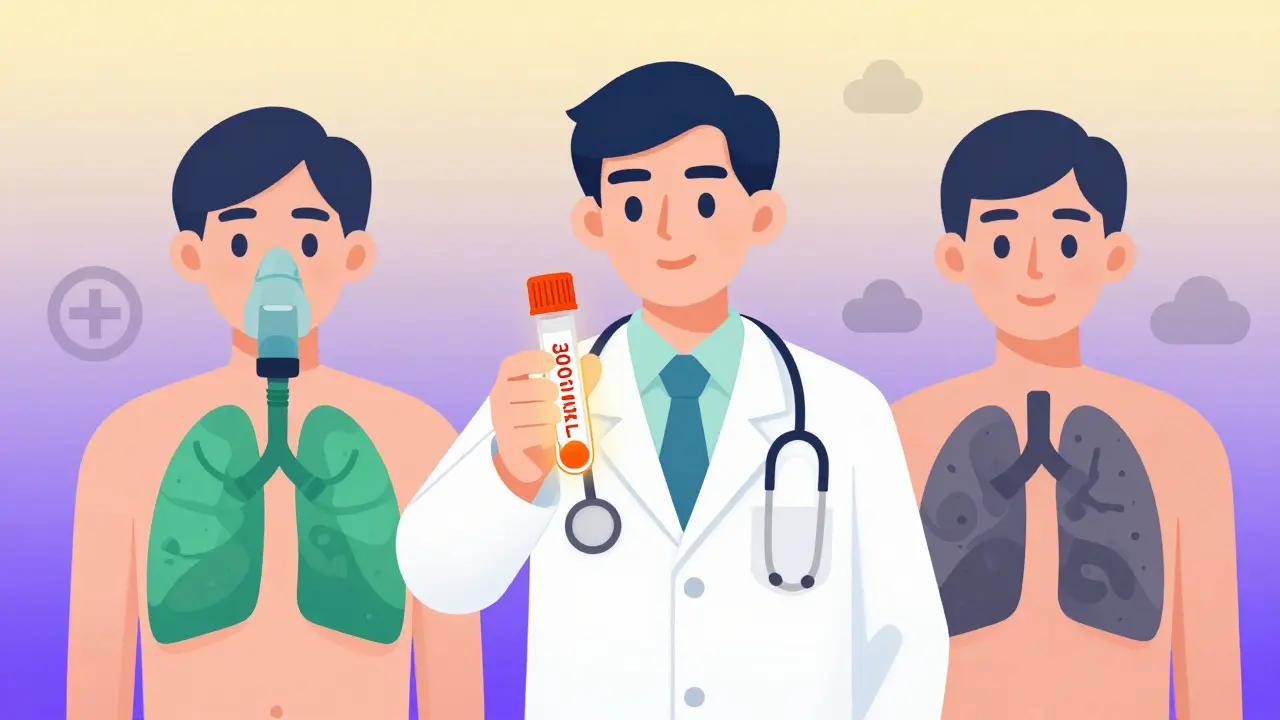
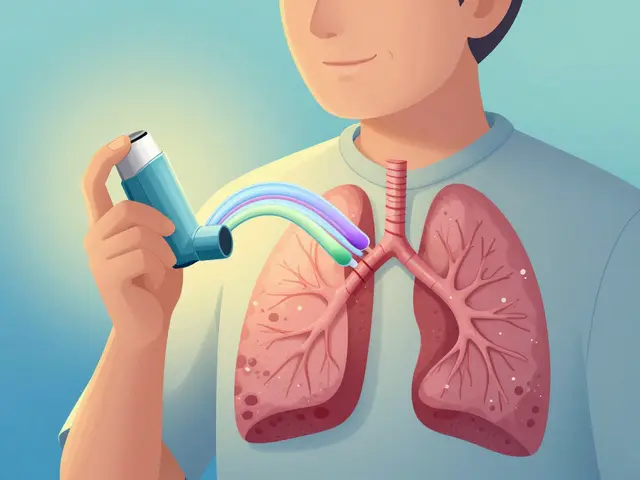
Triple inhaler therapy combines three medications into one treatment plan: a long-acting muscarinic antagonist (LAMA), a long-acting beta-agonist (LABA), and an inhaled corticosteroid (ICS). Each does something different. The LAMA relaxes the airway muscles, the LABA opens them further, and the ICS reduces the swelling and mucus that clog the lungs. Together, they tackle the three main problems in COPD: tight airways, inflammation, and excess mucus.There are two ways to get these three drugs. One is using three separate inhalers - called multiple-inhaler triple therapy (MITT). The other is a single device that delivers all three at once - known as single-inhaler triple therapy (SITT). Devices like Trelegy Ellipta (fluticasone furoate/umeclidinium/vilanterol) and Trimbow (budesonide/glycopyrronium/formoterol) are designed to make daily use simpler. For many patients, that simplicity matters more than they realize.
Who Benefits Most?
Not everyone with COPD needs triple therapy. In fact, most don’t. The 2024 GOLD guidelines are clear: this treatment is for people who have had two or more moderate flare-ups in the past year, or one severe flare-up that landed them in the hospital. But even then, it’s not automatic. Blood eosinophil counts - a marker of lung inflammation - must be 300 cells/µL or higher.Why does this matter? Because studies like IMPACT and ETHOS showed that patients with high eosinophils saw about a 25% reduction in exacerbations compared to dual therapy. But for those with counts below 100, triple therapy offers little to no benefit - and may even raise the risk of pneumonia. That’s not a small trade-off. Pneumonia risk is 1.8 times higher with fluticasone-based triple inhalers than with budesonide-based ones. So doctors don’t just look at symptoms. They test blood.
Single vs. Multiple Inhalers: The Real Difference
It’s easy to think more devices mean better control. But in practice, it’s the opposite. A UK study tracking 1,810 COPD patients found that 68% of those using multiple inhalers missed doses or got confused about which one to use when. Common problems? Forgetting, mixing up the timing, or feeling overwhelmed by the number of devices.Switching to a single-inhaler system changed that. In the TARGET study, adherence jumped from 62% to 78% after patients moved from MITT to SITT. And it wasn’t just about remembering to take it. Patients reported fewer flare-ups - 37% fewer in the six months after switching. One woman in Cardiff told her nurse, “I used to have three inhalers in my bag, and I’d forget which one was which. Now I just take one, and I actually feel like I’m doing something right.”
The convenience isn’t just psychological. Extrafine particle formulations, like those in Trimbow, reach deeper into the lungs. That means more medicine gets where it’s needed, and less is wasted in the mouth or throat. That’s especially helpful for older adults or those with shaky hands.

The Controversy: Is It Really Better?
Not all experts agree. Some argue that the benefits seen in trials like IMPACT might be misleading. In those studies, patients were switched from triple therapy to dual therapy (LAMA/LABA) as a comparison. But many were already on triple therapy before the trial started. When they stopped the ICS abruptly, their lungs reacted - making dual therapy look worse than it really is.Real-world data from a UK study of 31,000 patients found no significant difference in first exacerbation rates between triple therapy and LAMA/LABA when ICS wasn’t suddenly pulled. That suggests the “magic” of triple therapy might be partly due to the disruption of stopping an old medication, not the power of adding a new one.
The FDA and EMA both rejected claims that triple therapy reduces death rates. The benefit is in reducing flare-ups - not saving lives. That’s important. If you’re not at high risk for exacerbations, you’re not likely to gain much. And if you’re older, have a history of pneumonia, or smoke, the risks may outweigh the gains.
Cost and Access: The Hidden Barrier
In the U.S., brand-name triple inhalers like Trelegy Ellipta can cost $75 to $150 a month out-of-pocket. For Medicare beneficiaries on fixed incomes, that’s a lot. One in five surveyed patients skipped doses because of cost. Even in the UK, where the NHS covers most prescriptions, some patients still face delays or require prior authorization.Generic versions aren’t available yet. But some patients can get savings through manufacturer programs or pharmacy discount cards. It’s worth asking your doctor or pharmacist. Skipping doses because of cost is dangerous - it can lead to more flare-ups, ER visits, and hospital stays, which cost far more in the long run.
What You Need to Do Before Starting
Before you start triple therapy, your doctor should:- Check your blood eosinophil count - this is non-negotiable
- Review your history of flare-ups over the past year
- Rule out active infections like tuberculosis
- Teach you how to use the inhaler correctly - technique matters more than you think
Studies show that 50-70% of people who seem to “not respond” to inhalers are actually just using them wrong. A simple checklist can catch issues like not inhaling deeply enough, not holding your breath, or not rinsing your mouth after using the ICS. Ask your nurse to watch you use your inhaler - even if you’ve used one for years.
Monitoring and Follow-Up
This isn’t a “set it and forget it” treatment. You need to be monitored. Every three months, your doctor should check:- How many flare-ups you’ve had
- Your lung function with spirometry
- Signs of pneumonia - fever, new cough, thicker mucus, feeling worse than usual
- Whether you’re still taking the inhaler as prescribed
If your eosinophil count drops below 100, or if you haven’t had a flare-up in a year, your doctor might consider stepping down to dual therapy. That’s not failure - it’s smart management. You don’t need steroids if you don’t need them.
What’s Next?
The future of COPD treatment is personal. Researchers are testing new biomarkers - like fractional exhaled nitric oxide (FeNO) - to see if they can predict who will respond to steroids better than eosinophils. Drugs like dupilumab, originally for asthma, are being tested in COPD patients with high eosinophils and could offer steroid-free options soon.By 2027, experts believe most advanced COPD patients will be treated based on their biology, not just their symptoms. That means fewer people getting triple therapy unnecessarily - and more people getting the right treatment for their specific type of COPD.
Final Thoughts
Triple inhaler therapy isn’t for everyone. But for those with frequent flare-ups and high inflammation markers, it can be life-changing. It reduces hospital visits, improves breathing, and makes daily life easier - especially when it’s just one inhaler instead of three.But it’s not a magic bullet. It comes with risks, costs, and requires careful monitoring. The goal isn’t to add more drugs. It’s to find the right balance - enough to protect your lungs, but not so much that you put yourself at risk. Talk to your doctor. Get your blood tested. Ask about technique. And don’t be afraid to question whether this treatment still makes sense for you - six months from now, or a year.
Is triple inhaler therapy right for everyone with COPD?
No. Triple therapy is only recommended for people with moderate-to-severe COPD who’ve had two or more moderate flare-ups, or one severe flare-up in the past year, and have blood eosinophil counts of 300 cells/µL or higher. For others, especially those with low eosinophils or infrequent exacerbations, it offers little benefit and increases pneumonia risk.
What’s the difference between Trelegy and Trimbow?
Trelegy Ellipta (fluticasone furoate/umeclidinium/vilanterol) is taken once daily at 100/62.5/25 mcg. Trimbow (budesonide/glycopyrronium/formoterol) is taken twice daily at 320/18/9 mcg. Trimbow uses extrafine particles that reach deeper into the lungs, while Trelegy has a longer-acting LABA. Trimbow may have a lower pneumonia risk since it uses budesonide instead of fluticasone.
Can I stop using my triple inhaler if I feel better?
Don’t stop without talking to your doctor. Feeling better doesn’t mean the inflammation is gone. Stopping suddenly can trigger a flare-up. Your doctor may suggest reducing to dual therapy if your eosinophil count drops or if you haven’t had an exacerbation in a year - but only after careful review.
Why do I need to rinse my mouth after using a triple inhaler?
The inhaled corticosteroid (ICS) in the inhaler can settle in your mouth and throat, increasing the risk of thrush (a fungal infection) and hoarseness. Rinsing with water and spitting it out after each use reduces this risk significantly. Don’t swallow the rinse - it doesn’t help.
How do I know if I’m using my inhaler correctly?
Many people use inhalers wrong - even after years of use. Ask your nurse or respiratory therapist to watch you use it. Common mistakes: not breathing in deeply enough, not holding your breath for 5-10 seconds after inhaling, or not shaking the device before use. A simple checklist can catch these errors. Poor technique is responsible for up to 70% of cases where people say the inhaler “isn’t working.”
about author

Bryan Wolfe
This is the kind of post that actually makes me feel hopeful about COPD management. I’ve been on triple therapy for a year now with Trelegy, and honestly? My walks around the block went from gasping to almost normal. No magic cure, but it’s the closest thing I’ve found. And yeah, rinsing my mouth after? Non-negotiable. Thrush is no joke.
Sumit Sharma
The data is unequivocal: eosinophil-driven inflammation is the primary biomarker for ICS responsiveness. Any clinical decision not anchored to a quantified eosinophil count above 300 cells/µL is clinically irresponsible. The IMPACT trial’s primary endpoint was exacerbation reduction, not mortality - and the effect size was statistically significant (p<0.001). The so-called 'real-world' studies you cite suffer from confounding by indication and poor adherence measurement. This isn't opinion - it's evidence-based medicine.
Prachi Chauhan
I think about this a lot - how we treat lungs like machines that just need more parts. But what if the problem isn’t the number of inhalers, but the silence we ignore? The air pollution, the smoke, the stress? I’m not saying the meds don’t help. I just wonder… are we fixing the system, or just patching the leak?
Katherine Carlock
My mom switched from three inhalers to Trelegy last year and she cried the first time she didn’t need to dig through her purse for the right one. She’s 72, has arthritis, and used to get so frustrated she’d skip doses. Now she takes it while her coffee brews. That’s not just convenience - that’s dignity. Thank you for writing this.
Sona Chandra
THEY’RE MAKING MONEY OFF OUR BREATHING DISORDERS AND NO ONE IS TALKING ABOUT IT. TRELEGY COSTS $150 A MONTH IN THE US AND THE PHARMA COMPANIES ARE LAUGHING ALL THE WAY TO THE BANK. I’VE SEEN PEOPLE SKIP DOSES BECAUSE THEY’RE CHOOSING BETWEEN MEDS AND FOOD. THIS ISN’T HEALTHCARE - IT’S PROFITEERING.
Lauren Warner
Let’s be honest - the whole triple therapy push feels like a rebranding of the same old steroid dependency. The pneumonia risk is real, the cost is absurd, and the 'one inhaler' convenience is a marketing gimmick wrapped in clinical jargon. The real benefit? Fewer hospitalizations means less liability for insurers. Don’t mistake reduced exacerbations for improved quality of life. You’re still breathing through a straw - just with a prettier straw.
Craig Wright
As a British GP who has managed COPD patients for over two decades, I must stress that the NHS guidelines are clear: SITT is preferable only where adherence has been demonstrated to be poor with MITT. The TARGET study’s 37% reduction in exacerbations is compelling, but it must be contextualised within the UK’s universal healthcare framework. In countries without such safety nets, the ethical implications of prescribing high-cost inhalers without guaranteed access are deeply concerning.
Lelia Battle
I’ve been thinking about the question: 'What if we stopped treating COPD like a disease to be suppressed, and started treating it like a signal to be listened to?' The inhalers help, yes. But what if the real treatment was cleaner air, better housing, less isolation? I’m not dismissing meds - I’m asking us to look wider. Maybe the lungs are just the first thing to break when everything else is broken.
Konika Choudhury
My cousin in Delhi uses three inhalers and still gets sick every monsoon. No one here even knows what eosinophils are. This post is for rich Americans. We need cheap generics not fancy gadgets.