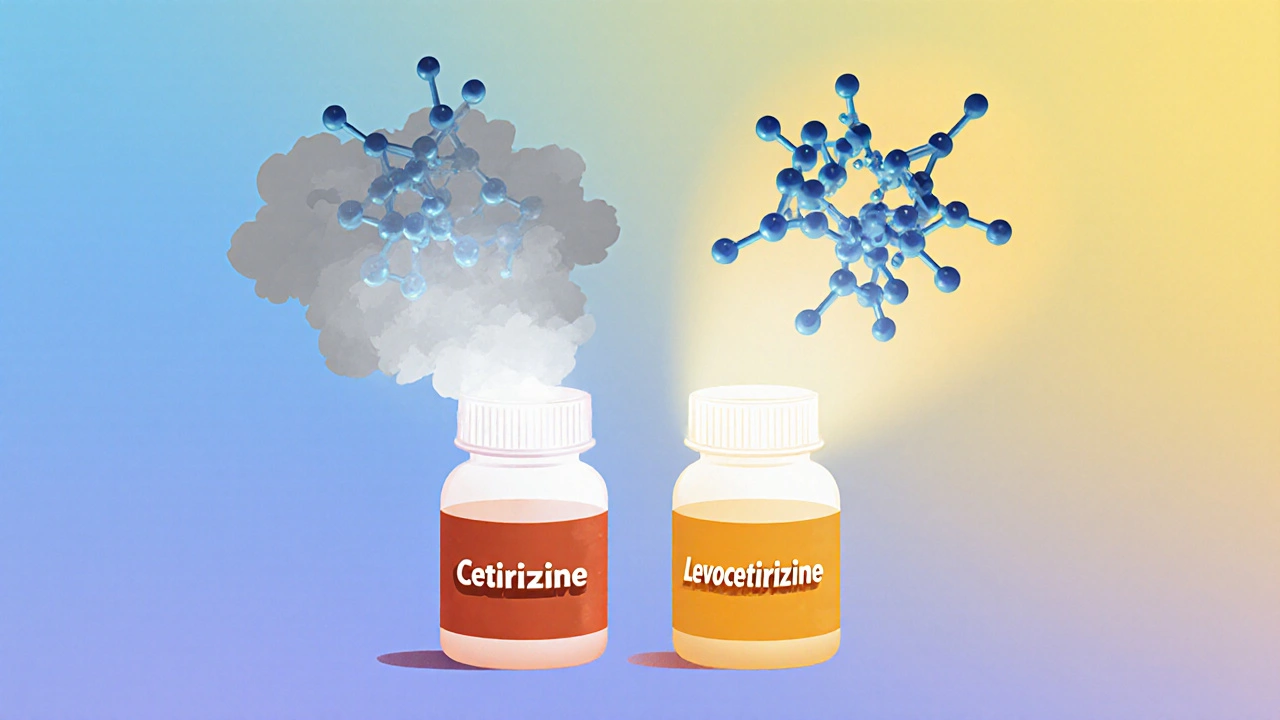
Cetirizine and levocetirizine both treat allergies, but levocetirizine causes less drowsiness. Learn why, how they compare in effectiveness, side effects, and cost-and which one is right for your daily life.

When you hear sedation, a medical process that reduces awareness and anxiety during procedures without fully putting you to sleep. Also known as conscious sedation, it’s used in everything from dental work to colonoscopies and minor surgeries. But not all sedation is the same. There are real, measurable differences between moderate sedation, a state where you’re relaxed but can still respond to commands, deep sedation, where you’re on the edge of unconsciousness and may need help breathing, and full anesthesia, a state of complete unconsciousness managed by an anesthesiologist. These aren’t just buzzwords—they change your safety, recovery time, and even who can perform the procedure.
Why does this matter? Because mixing them up can be dangerous. For example, a dentist giving moderate sedation with midazolam and fentanyl is not the same as a hospital giving deep sedation with propofol. One lets you sit up after 30 minutes. The other might need monitoring for hours. Drugs like ketamine, dexmedetomidine, and propofol are chosen based on how deep you need to go—and how fast you need to wake up. Patients with sleep apnea, heart issues, or a history of drug reactions need special care. That’s why guidelines exist: the American Society of Anesthesiologists and other groups track outcomes to make sure the right level is used for the right person.
You’ll see these differences reflected in real patient stories and clinical guides. Some posts cover how sedation differences affect recovery in older adults. Others compare drug safety for people with kidney disease or explain why certain clinics avoid deep sedation altogether. There’s also advice on what questions to ask before any procedure: "Will I be awake?", "Who’s monitoring me?", "What if I stop breathing?" These aren’t paranoid questions—they’re smart ones. The collection below pulls from real cases, expert reviews, and patient experiences to show you exactly how sedation levels vary, what drugs are used, and how to make sure you’re not just safe, but properly cared for.
Cetirizine and levocetirizine both treat allergies, but levocetirizine causes less drowsiness. Learn why, how they compare in effectiveness, side effects, and cost-and which one is right for your daily life.