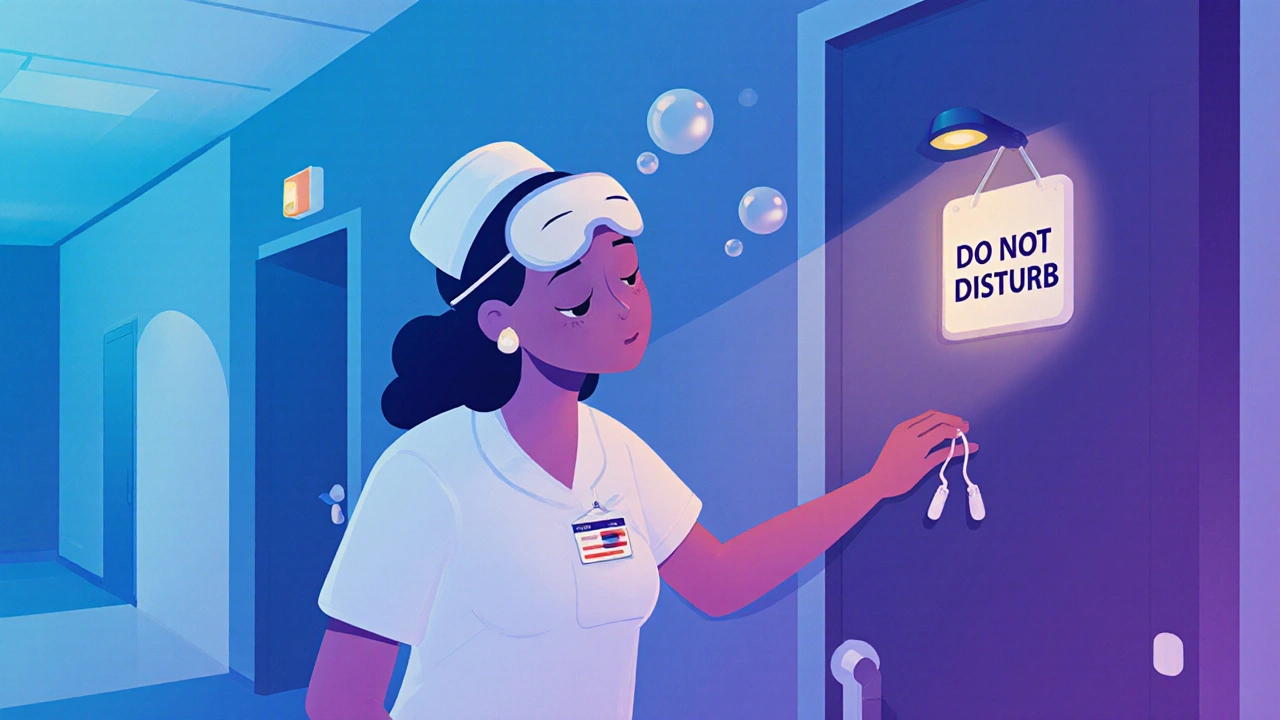
Strategic napping between 2-4 a.m. for 20-30 minutes can slash fatigue, cut errors, and improve safety for shift workers. Learn how to nap right and why it works better than coffee.

When you can’t shake off exhaustion no matter how much you sleep, you’re not just tired—you’re dealing with fatigue management, the process of identifying and addressing the root causes of persistent tiredness to restore energy and daily function. It’s not about coffee or naps. It’s about understanding what’s really behind your burnout—whether it’s a drug side effect, a hidden health issue, or how your body handles stress. Many people assume fatigue is normal, especially with busy lives, but chronic tiredness often signals something deeper. It’s linked to conditions like kidney disease, depression, thyroid problems, and even long-term pain meds. And if you’re taking something like cetirizine, a common antihistamine that can cause drowsiness as a side effect or opioid painkillers, medications known to drain energy and disrupt sleep patterns, your fatigue might be medication-induced, not just lifestyle-related.
Fatigue management isn’t one-size-fits-all. Some people need to adjust their meds—like switching from cetirizine to levocetirizine to reduce drowsiness. Others need to tackle opioid-induced constipation, a side effect that can worsen fatigue by disrupting digestion and sleep. If you’re on steroids, antidepressants, or even anticholinergics like procyclidine, those drugs can silently sap your energy. Even something as simple as a cough medicine like guaifenesin, often used for congestion but now being studied for bone health, might interact with your energy levels in ways you didn’t expect. And if you’re managing chronic heart failure, diabetes, or kidney disease, fatigue isn’t just a symptom—it’s a warning sign that your treatment plan needs tweaking.
What you’ll find here aren’t generic tips like "sleep more" or "drink water." These are real, evidence-backed insights from people who’ve been there. You’ll see how antidepressants like zuranolone are changing the game for mental fatigue, how physical therapy helps heart failure patients regain energy, and why some pain meds are safer than others for people with kidney issues. We cover what works, what doesn’t, and what your doctor might not tell you. No fluff. Just clear, practical ways to take back your energy—one smart choice at a time.
Strategic napping between 2-4 a.m. for 20-30 minutes can slash fatigue, cut errors, and improve safety for shift workers. Learn how to nap right and why it works better than coffee.