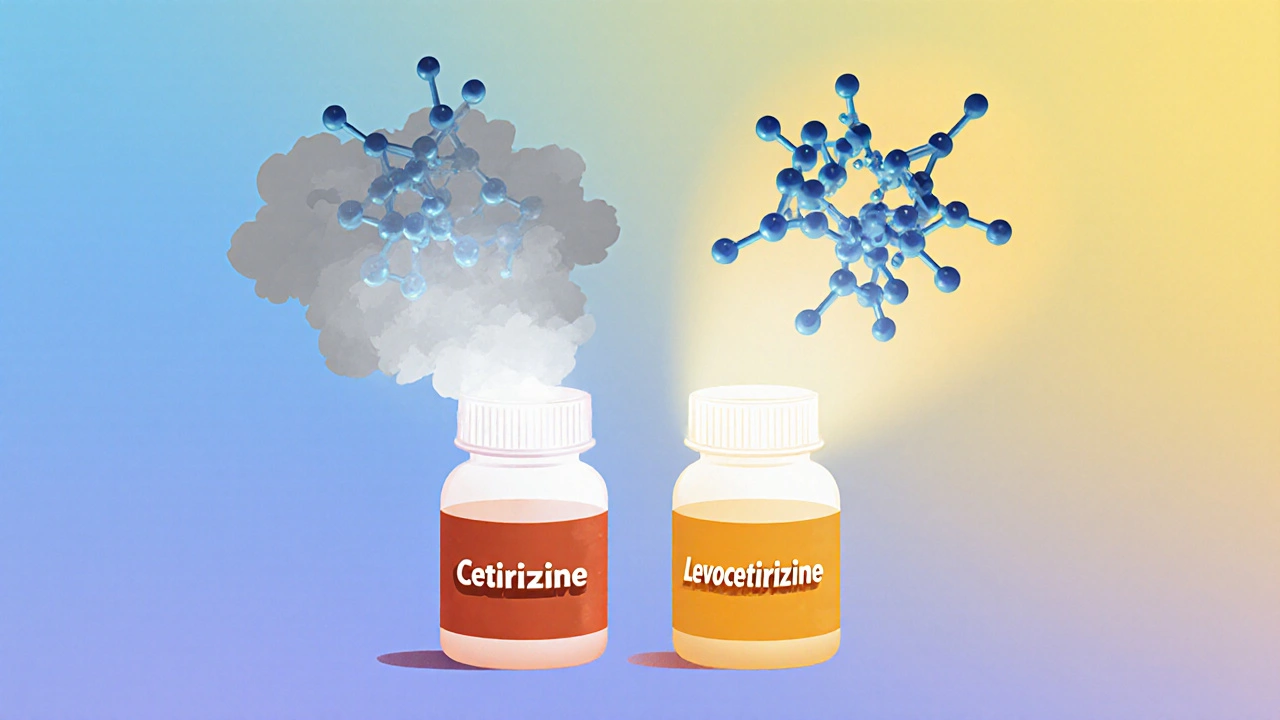
Cetirizine and levocetirizine both treat allergies, but levocetirizine causes less drowsiness. Learn why, how they compare in effectiveness, side effects, and cost-and which one is right for your daily life.

When you reach for an antihistamine to calm a sneeze, runny nose, or itchy eyes, you’re counting on quick relief. But antihistamine side effects, unwanted reactions caused by drugs that block histamine in the body. Also known as allergy meds, they’re among the most common over-the-counter treatments worldwide. Most people think these drugs are harmless—until they feel dizzy at work, struggle to stay awake behind the wheel, or can’t swallow because their mouth feels like sandpaper. The truth? Not all antihistamines are created equal, and side effects aren’t just annoying—they can be dangerous if ignored.
First-generation antihistamines like diphenhydramine (Benadryl) and chlorpheniramine are cheap and fast-acting, but they cross into the brain easily. That’s why drowsiness is so common—it’s not a bug, it’s a feature. These drugs were originally developed as sedatives. Newer ones like loratadine (Claritin) and cetirizine (Zyrtec) are designed to avoid the brain, but even they can cause dry mouth, blurred vision, or constipation in some people. If you’re over 65, have glaucoma, or take other meds for anxiety or sleep, these side effects can pile up fast. One study found that older adults on long-term first-gen antihistamines had a 54% higher risk of cognitive decline over ten years. That’s not a small risk. And if you’re driving or operating machinery, drowsiness isn’t just inconvenient—it’s a hazard.
Then there’s the hidden trade-off: relief from allergies vs. relief from daily function. You might stop sneezing, but now you can’t focus at your job. You get rid of the itchy eyes, but your tongue feels like it’s covered in cotton. These aren’t rare cases—they happen every day to millions. Some people even mistake antihistamine side effects for aging or stress. The key is knowing which type you’re taking and what your body can handle. Second-gen options are safer for long-term use, but they’re not magic. If you’re using them daily for months, it’s time to ask: is this really helping, or just masking the problem?
Below, you’ll find real-world guides on how to spot dangerous reactions, pick the right antihistamine for your life, and avoid common mistakes that turn a simple remedy into a bigger health issue. Whether you’re buying generic Claritin online or wondering why your prescription isn’t working like it used to, these posts give you the facts—not marketing.
Cetirizine and levocetirizine both treat allergies, but levocetirizine causes less drowsiness. Learn why, how they compare in effectiveness, side effects, and cost-and which one is right for your daily life.