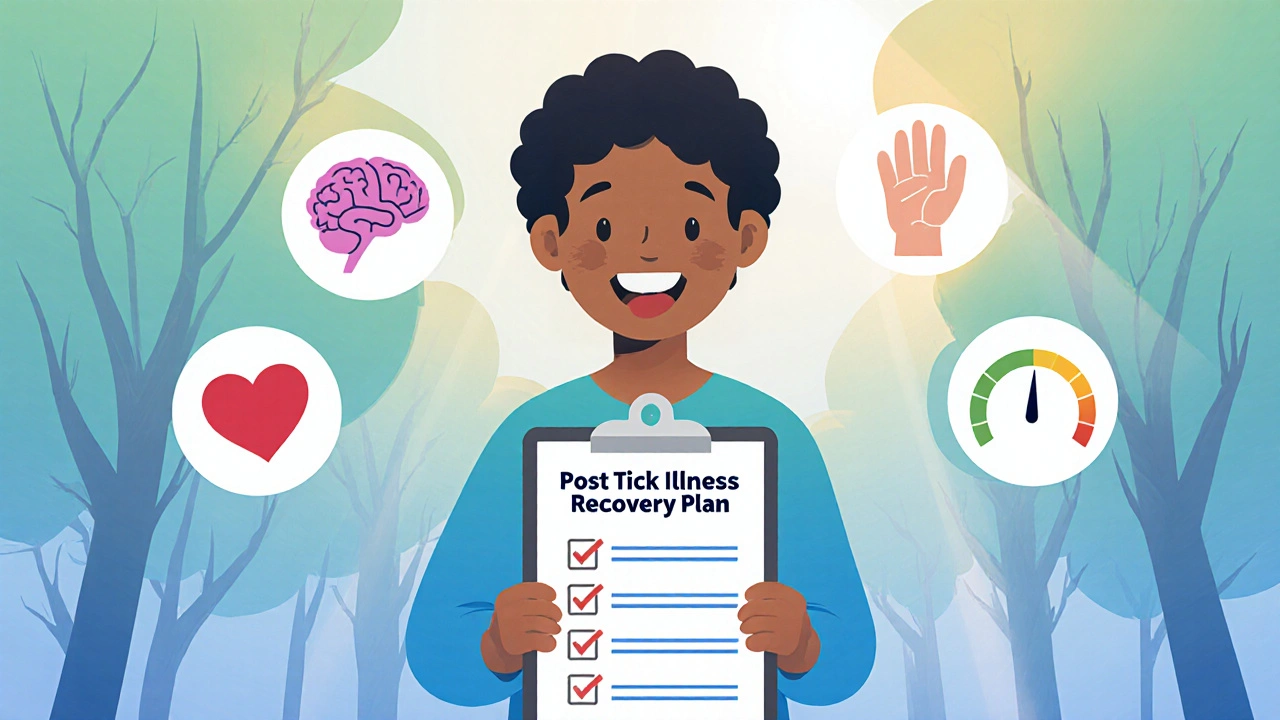
Regular check-ups after tick fever catch hidden complications, prevent relapses, and support long-term recovery. Don't assume you're fine just because the fever is gone.

When you hear tick fever, a term used for several illnesses transmitted by tick bites. Also known as tick-borne diseases, it includes conditions like Lyme disease, Rocky Mountain spotted fever, and ehrlichiosis—each caused by different bacteria and spread by different ticks. It’s not just a summer problem. In many parts of the U.S. and Europe, ticks are active whenever temperatures rise above 40°F, even in early spring or late fall.
Not every tick bite leads to illness, but if you’ve been in grassy, wooded, or brushy areas—especially in the Northeast, Midwest, or Southeast—you’re at risk. The Lyme disease, the most common tick-borne infection in the U.S., caused by the bacterium Borrelia burgdorferi often starts with a bull’s-eye rash, fatigue, and flu-like symptoms. Left untreated, it can affect your joints, heart, and nervous system. Meanwhile, Rocky Mountain spotted fever, a more dangerous illness spread by the American dog tick can cause high fever, severe headache, and a spotted rash within days. It’s rare but deadly if ignored.
What makes tick fever tricky is how easily it’s mistaken for the flu. Many people don’t remember being bitten—ticks are tiny, painless, and can stay attached for days. That’s why it’s critical to check yourself after being outdoors, especially in areas where ticks are common. Removing a tick within 24 hours greatly reduces your chance of infection. If you develop a rash, fever, or unexplained fatigue after outdoor exposure, don’t wait. Get tested early.
The good news? Most tick-borne illnesses respond well to antibiotics if caught early. Doxycycline is the go-to for adults and children over eight. For younger kids, amoxicillin or cefuroxime are common alternatives. But prevention is still your best defense: use EPA-approved repellents, wear long pants tucked into socks, and treat gear with permethrin. Keep your yard trimmed, and check pets regularly—they can bring ticks inside.
Below, you’ll find real-world guides on how to spot the early signs of tick fever, what to do if you’re diagnosed, how to avoid misdiagnosis, and how certain medications interact with treatment. Whether you’re dealing with lingering symptoms after a bite or just want to protect your family, these posts give you clear, practical steps—not guesswork.
Regular check-ups after tick fever catch hidden complications, prevent relapses, and support long-term recovery. Don't assume you're fine just because the fever is gone.