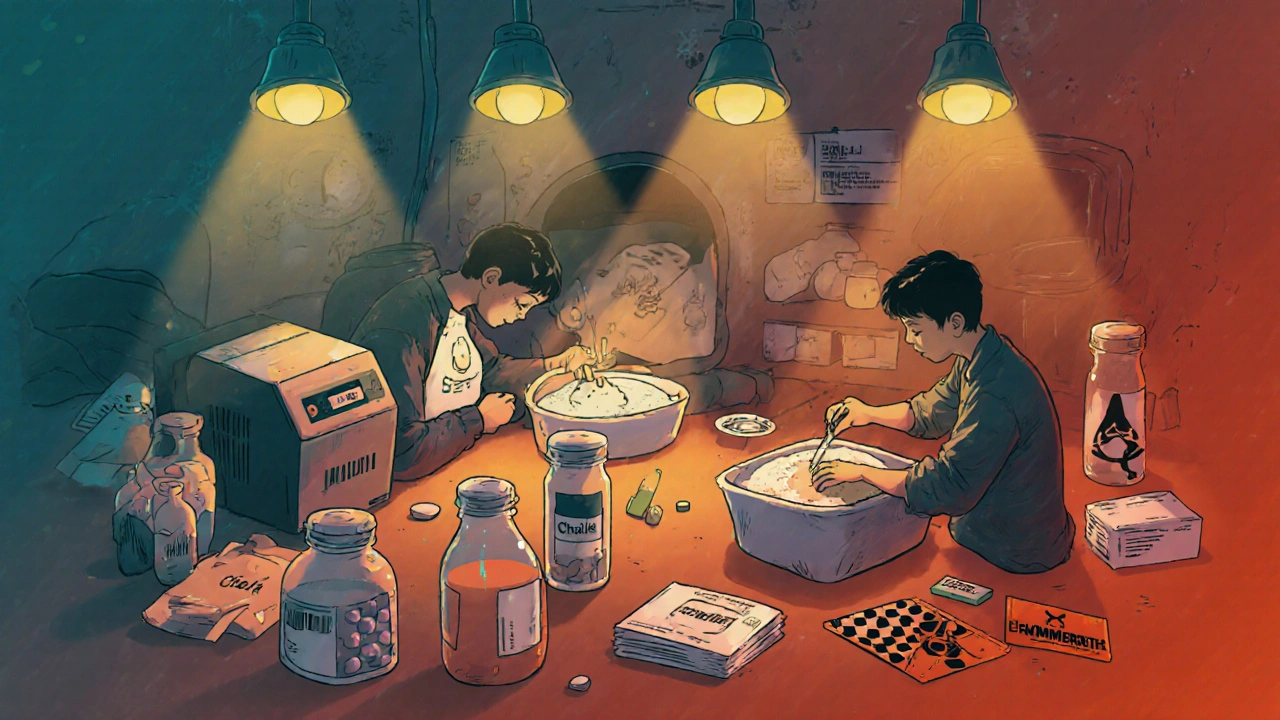
Fake generic drugs are a growing global threat, slipping into supply chains through loopholes, grey markets, and online pharmacies. Learn how they're made, where they come from, and how to protect yourself.

When you take a pill, you trust it’s what the label says it is. But pharmaceutical fraud, the deliberate deception in the production, distribution, or sale of medicines. Also known as drug counterfeiting, it’s not just a global problem—it’s a quiet killer hiding in plain sight. Fake pills don’t just miss the mark—they can contain rat poison, cement, or nothing at all. And it’s not just overseas shipments. Domestic labs, rogue online pharmacies, and even tampered prescriptions inside the U.S. are fueling this crisis.
Counterfeit medication, fake drugs designed to look like real prescriptions. Also known as falsified medicines, it’s often sold as generics, painkillers, or life-saving treatments like insulin or antibiotics. The FDA’s drug shortage database, a public tool tracking when real medications run out. Also known as medication supply alerts, it’s not just about scarcity—it’s a signal that fraudsters step in to fill the gap. When a drug is in short supply, prices spike. Criminals notice. They flood the market with lookalikes that are cheaper to make and harder to trace. Patients who rely on these meds—like those with diabetes, epilepsy, or heart conditions—don’t get warnings. They just get sicker.
MedWatch, the FDA’s system for reporting dangerous drug side effects and fake products. Also known as adverse event reporting, it’s your most powerful tool against fraud. If your pill looks different, tastes weird, or doesn’t work like before, you’re not imagining it. Thousands of people have reported fake Adderall, counterfeit Ozempic, and pills laced with fentanyl through MedWatch. But only if you report it does the system catch them. Most don’t. And that’s how fraud keeps spreading.
It’s not just about pills. Tampered packaging, stolen medications repackaged as new, and fake online pharmacies that take your money and send nothing—these are all parts of the same web. Even trusted apps and telehealth platforms can be hacked or cloned. You might think you’re ordering from a real pharmacy, but the site looks identical. The label matches. The price is too good to be true. And you won’t know until it’s too late.
Pharmaceutical fraud doesn’t care if you’re rich or poor, young or old. It thrives on trust, confusion, and silence. But you can break the cycle. Learn how to spot a fake pill. Know how to check your medication against FDA records. Understand when a drug shortage might be a cover for fraud. And most of all—report anything that feels off. The system only works if you use it.
Below, you’ll find real stories, step-by-step guides, and expert-backed advice on how to protect yourself from dangerous drugs, how to report fraud before it hurts someone else, and how to tell the difference between a legitimate change and a deadly scam.
Fake generic drugs are a growing global threat, slipping into supply chains through loopholes, grey markets, and online pharmacies. Learn how they're made, where they come from, and how to protect yourself.