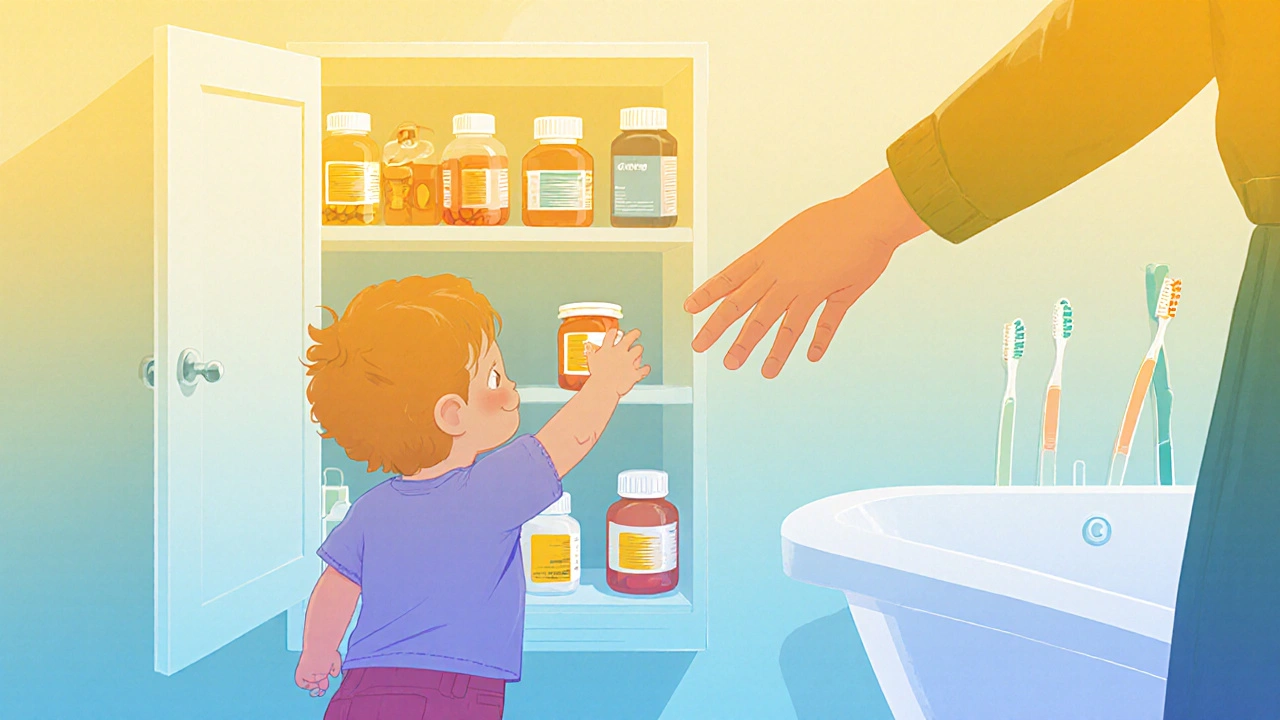
Learn how to store medications safely away from children with proven, expert-backed practices that prevent accidental poisonings. From lockboxes to travel tips, these steps save lives.

When a child swallows something harmful, time isn’t just important—it’s everything. pediatric poisoning, the accidental or intentional ingestion of toxic substances by children under 12. Also known as child poisoning, it’s one of the most common reasons parents rush to the ER, and it happens far more often than most realize. Every year, over 1 million calls are made to U.S. poison control centers about kids under six. Most of these aren’t from prescription drugs—they’re from everyday things you keep right in the kitchen, bathroom, or garage.
toxic substances in homes, common household items that can cause serious harm if ingested by children include cleaning products, vitamins, cosmetics, pesticides, and even certain plants. Iron pills, acetaminophen, and antidepressants are among the top culprits in serious cases. A single pill can be deadly for a toddler. Even seemingly harmless items like button batteries or laundry pods can cause internal burns or breathing failure within minutes. emergency care for kids, immediate medical response needed after suspected poisoning isn’t always about calling 911—it’s about knowing what to do while you wait. Don’t wait for symptoms. Don’t induce vomiting unless told to. Call poison control immediately: 1-800-222-1222 in the U.S. They’ll tell you exactly what to do based on what was swallowed, how much, and how old the child is.
drug overdose in children, an unintended or accidental intake of medication in harmful amounts is rising, especially with the spread of opioid painkillers and new weight-loss drugs in homes. Kids aren’t just grabbing pills—they’re chewing on patches, drinking liquid medications left within reach, or mistaking colorful pills for candy. The good news? Most cases are preventable. Lock up meds. Use child-resistant caps—even if you think you’ll remember. Keep cleaners under sinks, not on counters. Store batteries out of sight. And don’t assume your child is too young to be curious—they’re not. Every parent thinks it won’t happen to them. Then it does.
What you’ll find in the posts below isn’t theory. It’s real, practical info from parents and doctors who’ve dealt with this. You’ll see how to spot the hidden dangers in your own home, what symptoms to watch for when a child seems fine but isn’t, and exactly what to say when you call for help. There’s no panic here—just clear steps, real stories, and the kind of advice you wish you’d had before the emergency happened.
Learn how to store medications safely away from children with proven, expert-backed practices that prevent accidental poisonings. From lockboxes to travel tips, these steps save lives.