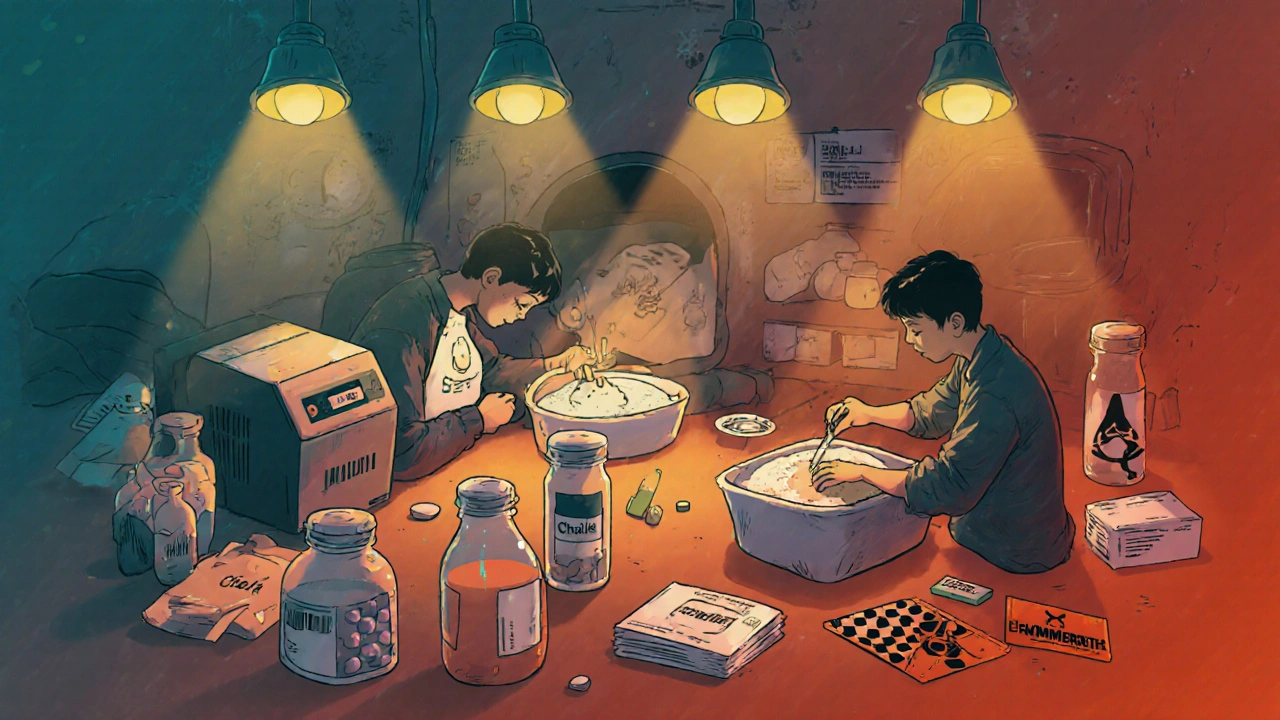
Fake generic drugs are a growing global threat, slipping into supply chains through loopholes, grey markets, and online pharmacies. Learn how they're made, where they come from, and how to protect yourself.

When you buy a fake generic drugs, counterfeit versions of FDA-approved medications that look real but contain wrong or no active ingredients. Also known as counterfeit medication, they can be deadly—filled with chalk, rat poison, or nothing at all. The problem isn’t rare. In 2023, the FDA flagged over 1,200 fake drug cases, many sold online or through unlicensed pharmacies. These aren’t just scams—they’re public health emergencies.
Real generic drugs are identical to brand-name pills in strength, safety, and how they work. But fake ones? They might have too little medicine, too much, or something completely unrelated. You might think your blood pressure pill is working—until your numbers spike because the tablet had no active ingredient. Or you take an antibiotic for an infection, and it does nothing because it’s just sugar and dye. The FDA drug safety, the system that monitors and enforces the quality of medications sold in the U.S. works hard to stop these, but some still slip through. That’s why knowing how to spot red flags matters.
Look for odd colors, strange smells, or pills that crumble too easily. Check the packaging—spelling errors, blurry logos, or missing lot numbers are big warnings. If the price seems too good to be true, it probably is. The generic drug approval, the strict process the FDA uses to verify that a generic drug is bioequivalent to the brand-name version ensures real generics are safe. But fake ones bypass all of that. And if you suspect you’ve gotten one, don’t just toss it. Report it to the MedWatch, the FDA’s system for tracking adverse events and counterfeit drugs. Your report could stop someone else from getting hurt.
Most fake drugs come from overseas websites or unregulated sellers. Even some local pharmacies might unknowingly stock them. That’s why you should only buy from licensed U.S. pharmacies—ones you can call or visit in person. The same rules apply to online orders: check for a verified pharmacy logo, a physical address, and a licensed pharmacist on staff. If you’re unsure, call your doctor or pharmacist. They can help you verify your meds.
Below, you’ll find real stories and step-by-step guides on how to protect yourself—from how to read pill markings to what to do if you find a suspicious drug. You’ll learn how the FDA tracks shortages and fake batches, how to report dangerous pills, and why some generics look different but are still safe. This isn’t about fear. It’s about power—knowing how to spot the danger before it hits you or someone you love.
Fake generic drugs are a growing global threat, slipping into supply chains through loopholes, grey markets, and online pharmacies. Learn how they're made, where they come from, and how to protect yourself.