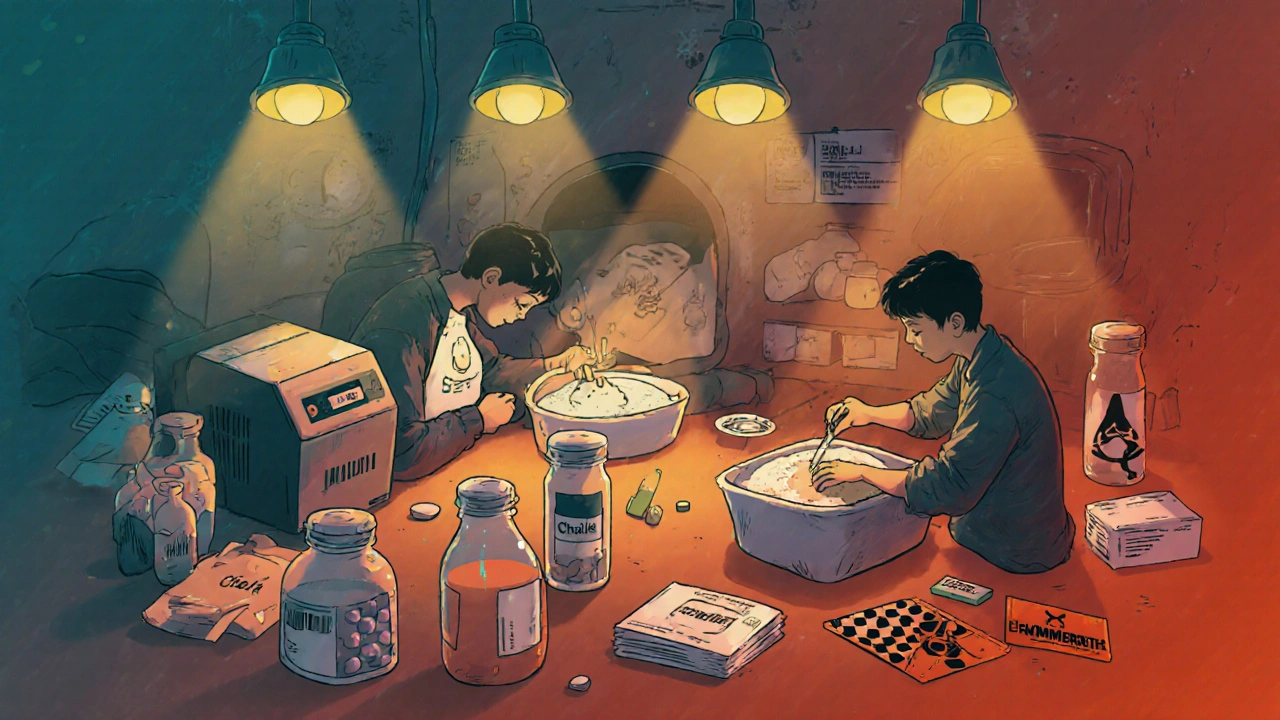
Fake generic drugs are a growing global threat, slipping into supply chains through loopholes, grey markets, and online pharmacies. Learn how they're made, where they come from, and how to protect yourself.

When you pick up a prescription, you’re holding the end result of a drug supply chain, the complex network that moves medicines from manufacturers to patients. Also known as pharmaceutical distribution system, it involves makers, shippers, wholesalers, pharmacies, and regulators—and one break anywhere can leave you without your medicine. This isn’t just about logistics. It’s about safety, access, and sometimes, your life.
The FDA drug shortages, official alerts when critical medications become hard to find. Also known as medication availability crises, it isn’t random. It’s often caused by a single factory shutdown, raw material delays, or sudden spikes in demand. Think of it like a highway with one collapsed bridge: even if every other part works, traffic stops. That’s why checking the FDA’s shortage database isn’t just helpful—it’s necessary if you rely on daily meds like insulin, antibiotics, or heart drugs. And it’s not just about running out. When supply gets tight, counterfeiters move in. counterfeit drugs, fake pills made to look real but filled with dangerous or inactive ingredients. Also known as fake medications, they show up in online pharmacies, overseas shipments, or even legitimate-looking bottles. One study found that nearly 1 in 10 pills bought online without a prescription were fake. These aren’t just ineffective—they can kill.
What keeps the chain running? Regulations, yes—but also transparency. The FDA’s priority review system speeds up generics that fix shortages or offer real benefits. Companies making drugs in the U.S. now get extra credit. But you don’t need to wait for policy changes. You can protect yourself: learn how to spot pill changes (thanks to trademark laws), report suspicious meds through MedWatch, and always verify your pharmacy’s source. The pharmaceutical distribution, the process of moving drugs from manufacturer to patient through authorized channels. Also known as medication logistics, it should be seamless, but it’s not. And when it fails, you’re the one who pays the price.
Below, you’ll find real, actionable guides on how to check if your drug is in short supply, what to do if your pill looks different, how to report fake meds, and why some drugs disappear overnight. No fluff. Just what you need to know to stay safe, informed, and in control of your treatment.
Fake generic drugs are a growing global threat, slipping into supply chains through loopholes, grey markets, and online pharmacies. Learn how they're made, where they come from, and how to protect yourself.