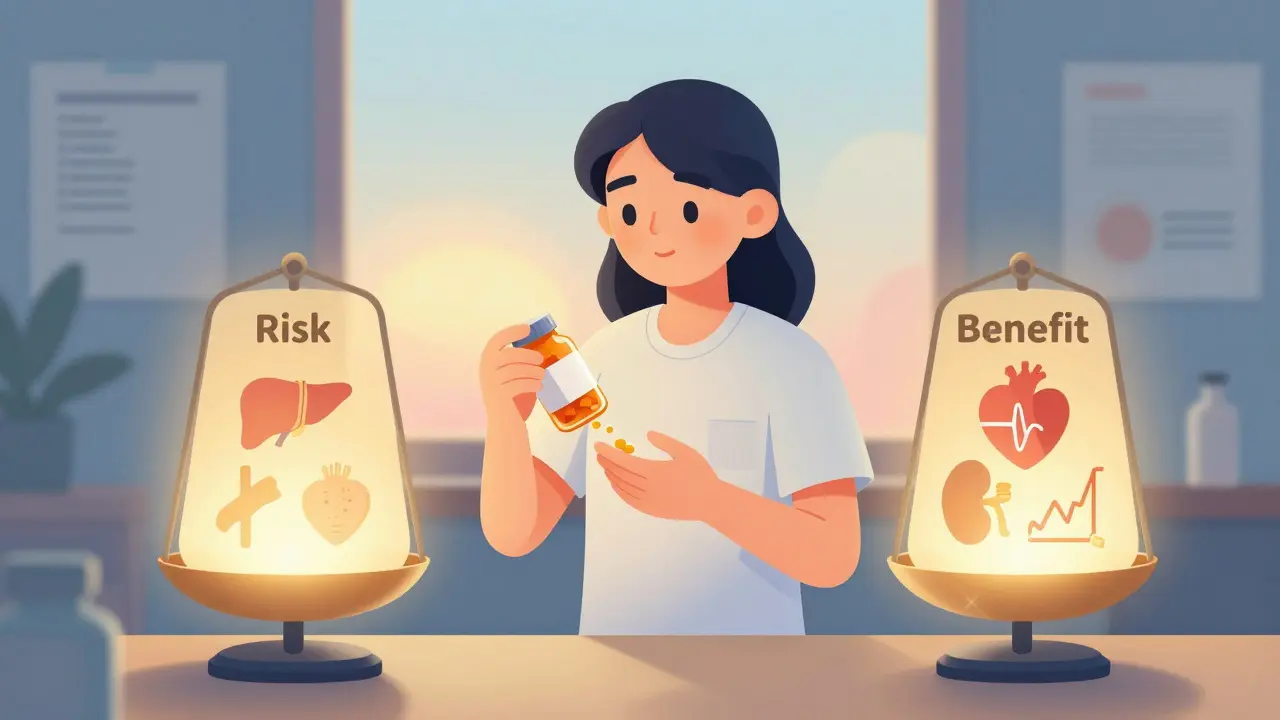
Learn how to read FDA safety alerts without panic. Understand the difference between potential signals and confirmed risks, and how to weigh a drug's benefits against its side effects for smarter health decisions.

When you take a medication, you’re trusting that it will help—not hurt. But drug safety, the practice of using medications in ways that minimize harm while maximizing benefit. Also known as medication safety, it’s not just about following the label—it’s about understanding what your body might do next. Every pill carries a risk, even if it’s small. That’s why knowing the difference between a normal side effect and a life-threatening reaction can make all the difference.
Many people don’t realize that adverse drug reactions, harmful and unintended responses to medications at normal doses are one of the top causes of hospital visits. It’s not just rare allergies or overdoses. Even common drugs like NSAIDs, antidepressants, or blood pressure meds can cause serious problems if you don’t know the red flags. For example, a sudden skin rash that spreads, confusion after starting a new pill, or unexplained bruising could mean something far worse than a simple upset stomach. These aren’t just side effects—they’re signals your body is in distress. And if you’re on multiple meds, the risk of drug interactions, dangerous combinations that alter how medications work in your body goes up fast. A simple over-the-counter painkiller could cancel out your heart med or make your anxiety drug useless.
Drug safety also means knowing when to speak up. If your generic pill suddenly looks different, that’s not a mistake—it’s the law. The FDA requires generics to look different from brand names, but the active ingredient is the same. Still, if you notice new side effects after switching, tell your doctor. The same goes for new drugs like GLP-1 weight loss agents or next-gen antidepressants. They work fast, but their long-term safety isn’t fully known. And if you’re older, have kidney issues, or take several pills daily, your risk profile changes. That’s why regular check-ups, knowing your medication list, and using tools like the FDA’s drug shortage database aren’t optional—they’re part of staying safe.
What you’ll find below isn’t a list of warnings. It’s a practical guide to real situations: when to rush to the ER, how to manage nausea from chemotherapy, why some meds make you smell smoke, or how to switch pills without crashing. These aren’t theoretical scenarios. They’re stories from people who lived through them—and learned how to protect themselves. You don’t need to be a doctor to understand drug safety. You just need to know what to look for, when to act, and who to ask.
Learn how to read FDA safety alerts without panic. Understand the difference between potential signals and confirmed risks, and how to weigh a drug's benefits against its side effects for smarter health decisions.
Learn how to report counterfeit or tampered medications to the FDA, DEA, or manufacturers. Step-by-step guide for patients and providers to protect yourself and others from dangerous fake drugs.