The FDA requires generic drugs to meet the same safety, strength, and effectiveness standards as brand name drugs. Learn how bioequivalence, manufacturing rules, and strict testing ensure generics are just as reliable - and far more affordable.

When it comes to generic drugs, affordable versions of brand-name medications that must meet the same FDA standards for safety and effectiveness. Also known as non-brand medications, they make up over 90% of prescriptions in the U.S. and save patients billions each year. But their rise has also brought new risks—from fake pills slipping through online channels to confusing changes in pill appearance that leave people unsure if they’re still getting the real thing.
The FDA drug safety, the system of rules, inspections, and reporting that ensures medications are safe for public use. Also known as pharmaceutical regulation, it’s the backbone of trust in every pill you take. In November 2025, the FDA tightened rules for counterfeit medications, fake or tampered drugs that mimic real prescriptions but contain harmful or inactive ingredients. Also known as fake pills, they’re often sold through unregulated websites and can cause poisoning, organ failure, or death. The agency also updated its drug supply chain, the network of manufacturers, distributors, and pharmacies that deliver medications from lab to patient. Also known as pharmaceutical distribution, it’s under more scrutiny than ever as global sourcing increases the chance of fraud. Meanwhile, reports spiked on medication side effects, unwanted physical or mental reactions caused by drugs, ranging from mild drowsiness to life-threatening reactions. Also known as adverse drug reactions, they’re not always listed clearly—and many people don’t know when to seek help. From strange smell changes to bladder issues and steroid-induced psychosis, the list of unexpected reactions grew longer this month.
What you’ll find in this collection isn’t just a list of articles—it’s a practical guide to staying safe. You’ll learn how to spot a fake generic pill before you swallow it, how to use the FDA’s official shortage database to avoid running out of your medicine, and what real red flags mean you need to head to the ER. We break down why your generic pill looks different (it’s not a scam—it’s trademark law), how to report a counterfeit drug if you find one, and which new antidepressants and GLP-1 weight drugs are actually worth the risk. Whether you’re managing chronic pain with aceclofenac, switching off an antidepressant, or just trying to keep your meds away from kids, every article here is written for real people dealing with real medication questions. No fluff. No jargon. Just what you need to know before your next prescription refill.
The FDA requires generic drugs to meet the same safety, strength, and effectiveness standards as brand name drugs. Learn how bioequivalence, manufacturing rules, and strict testing ensure generics are just as reliable - and far more affordable.

Learn how to prepare for antibiotic allergy testing to confirm or rule out a penicillin allergy. Discover what to stop taking, what to expect during the test, and why getting tested can save you money and improve your health.
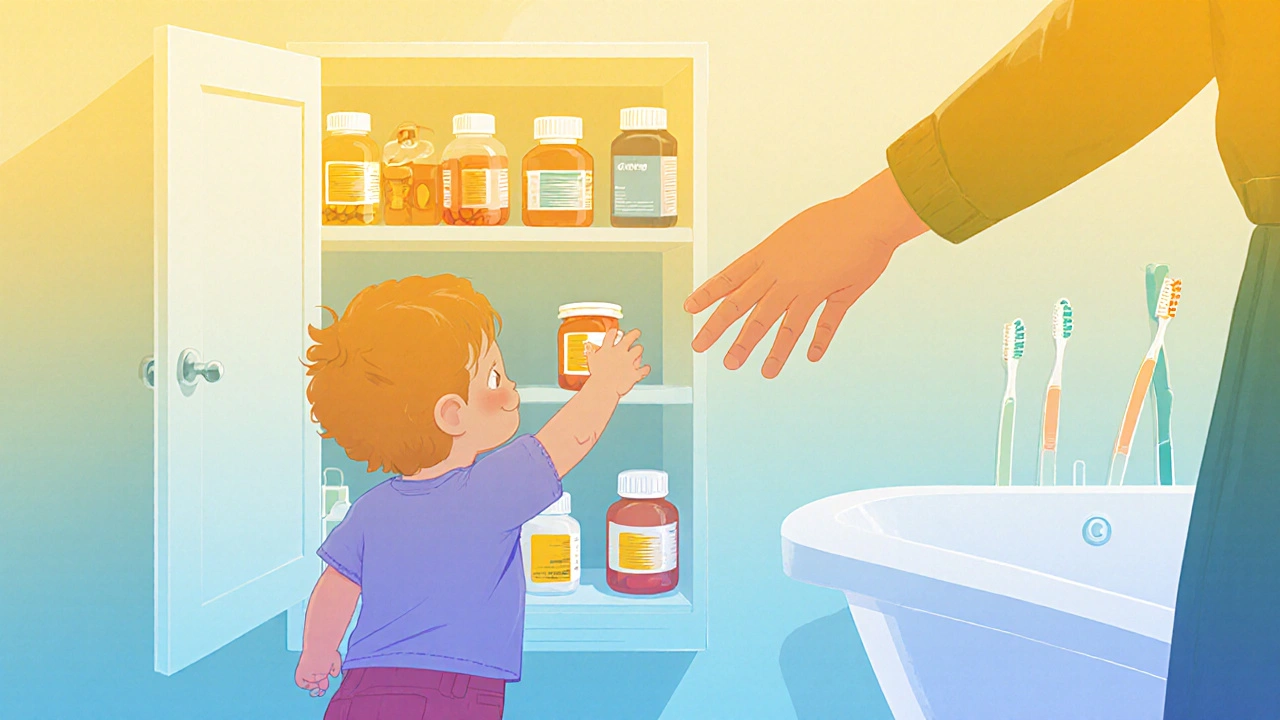
Learn how to store medications safely away from children with proven, expert-backed practices that prevent accidental poisonings. From lockboxes to travel tips, these steps save lives.
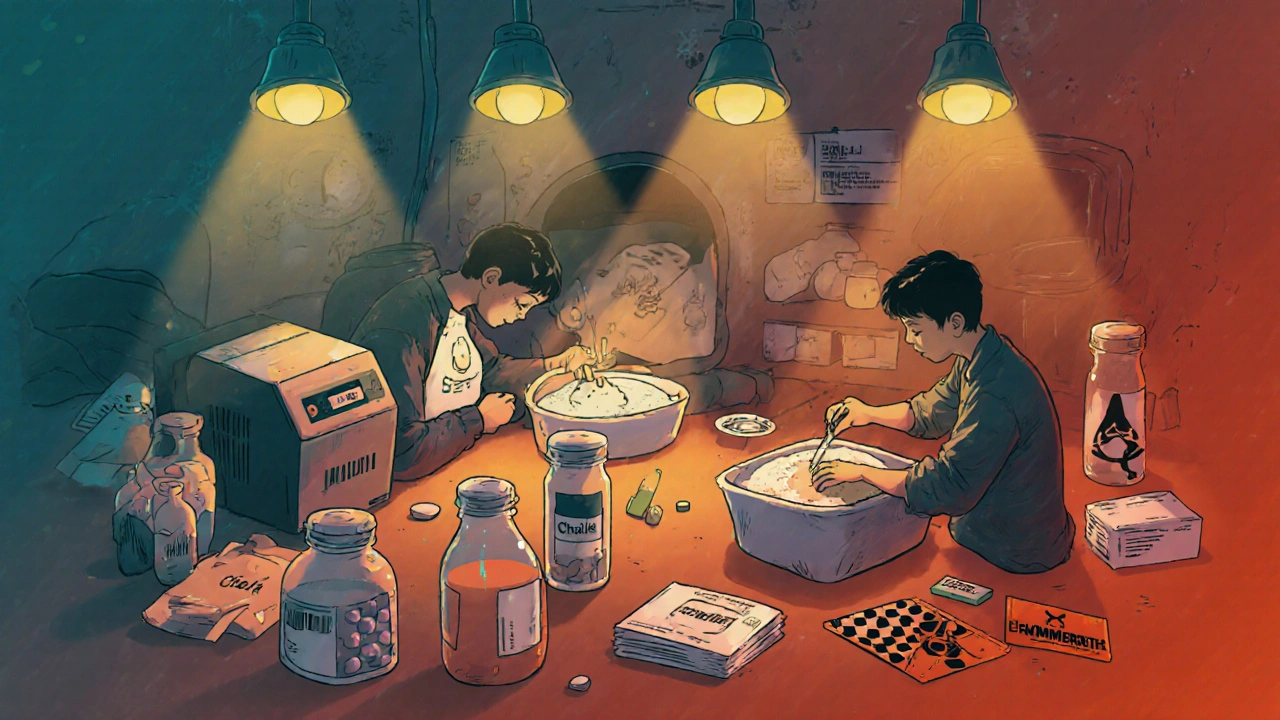
Fake generic drugs are a growing global threat, slipping into supply chains through loopholes, grey markets, and online pharmacies. Learn how they're made, where they come from, and how to protect yourself.
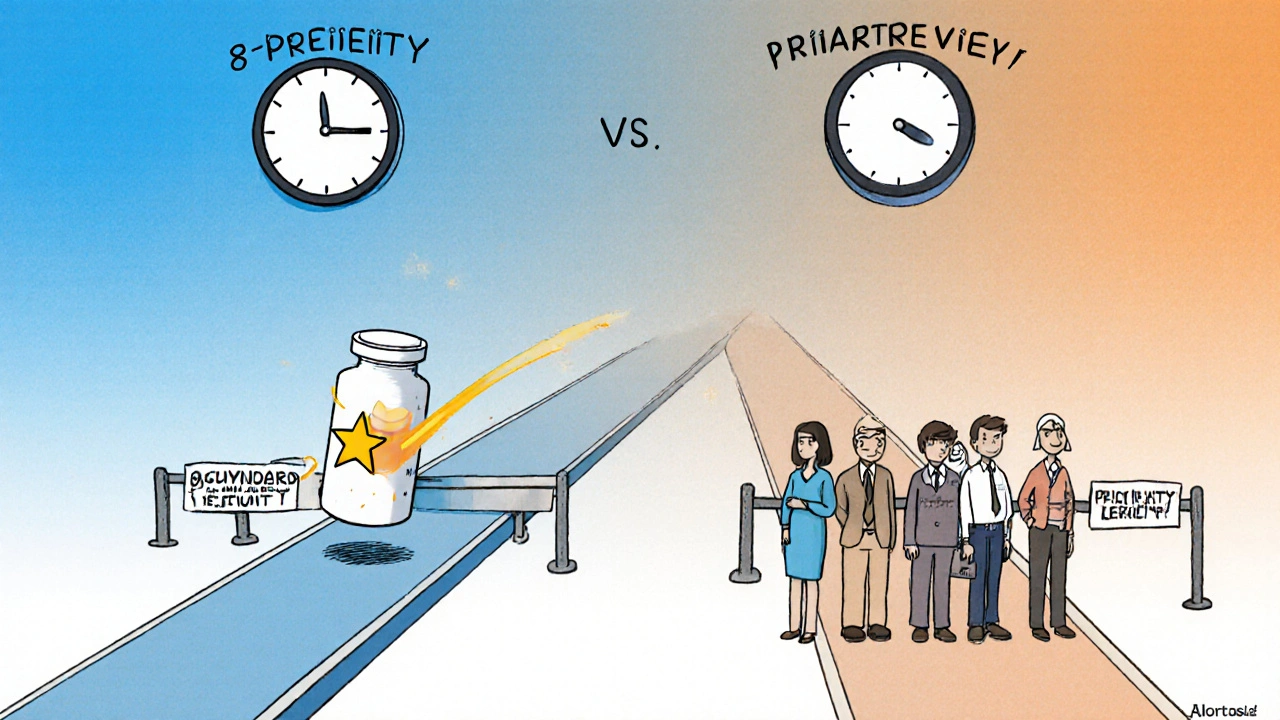
The FDA uses priority and standard review paths for generic drugs. Priority review speeds up approval for first generics, drugs in shortage, or those with medical advantages-cutting approval time from 10 to 8 months. New rules now reward U.S.-made drugs.
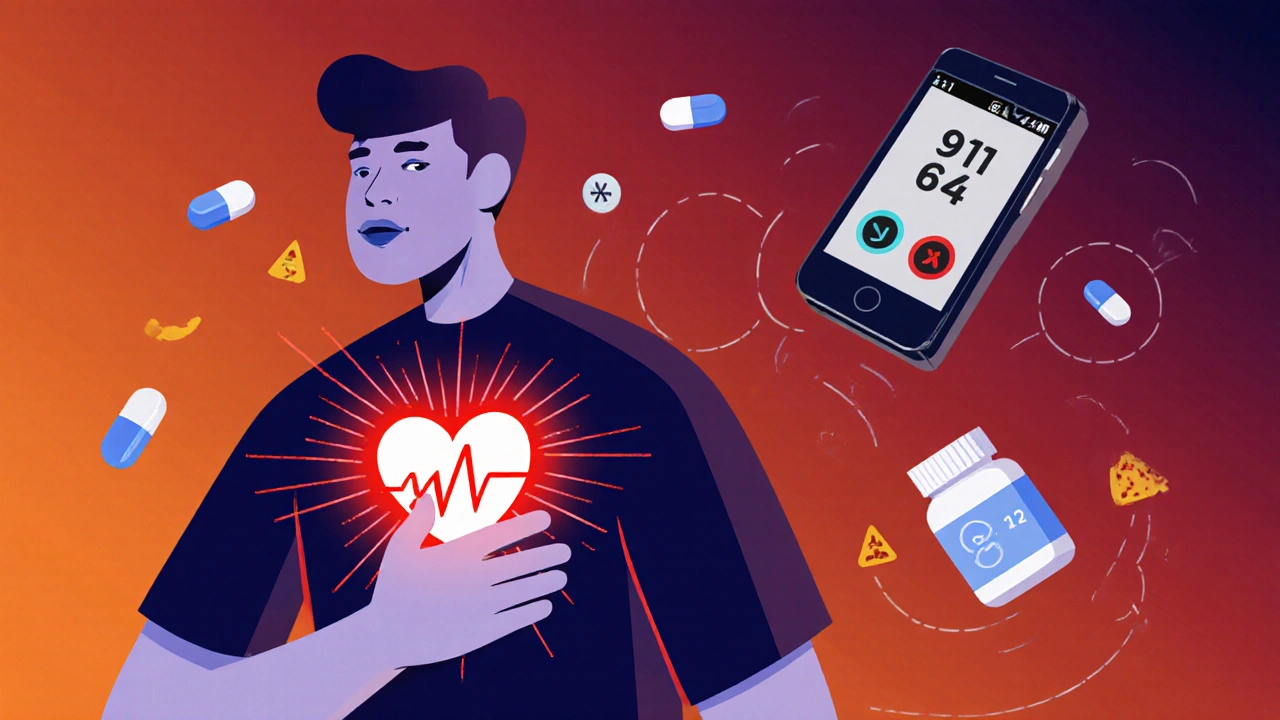
Learn the life-saving red flags that mean you need to go to the ER because of a medication reaction. From anaphylaxis to skin peeling and dangerous drug interactions, know when to act fast.
Next-generation GLP-1 agents like retatrutide and orforglipron offer powerful weight loss but come with significant side effects and unknown long-term risks. Learn what’s safe, what’s not, and how to use them wisely.
Learn how to report counterfeit or tampered medications to the FDA, DEA, or manufacturers. Step-by-step guide for patients and providers to protect yourself and others from dangerous fake drugs.
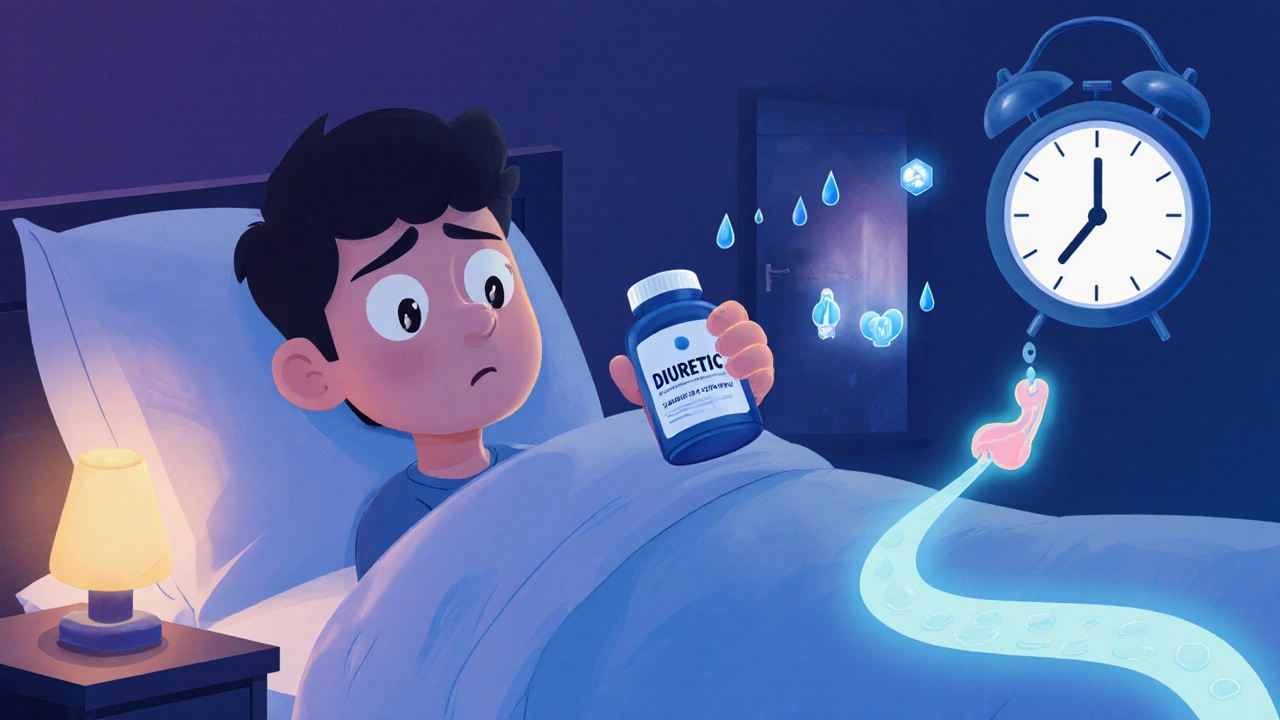
Many medications, from diuretics to antidepressants, can cause frequent urination and urinary urgency. Learn which drugs are most likely to trigger bladder side effects and what you can do to manage them without stopping essential treatments.
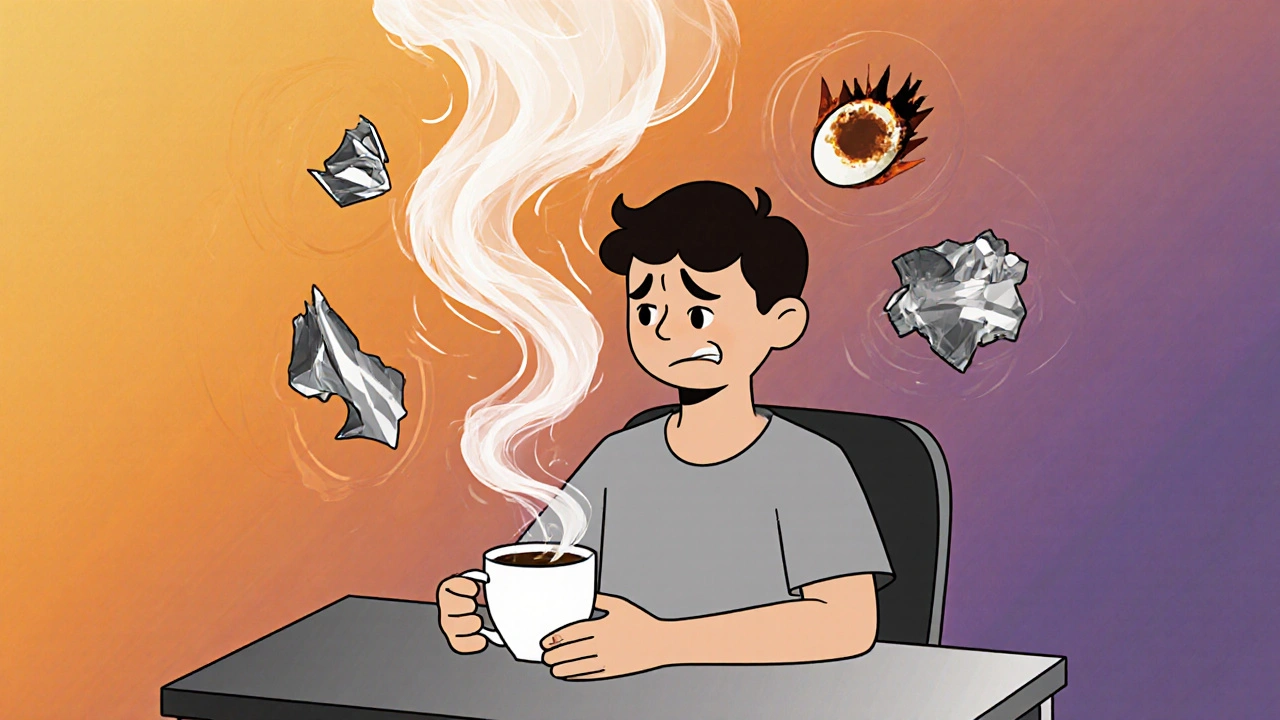
Many medications can cause strange smell changes called dysosmia-making food taste like metal or smoke smell constant. Learn which drugs cause it, how long it lasts, and what to do if it happens to you.