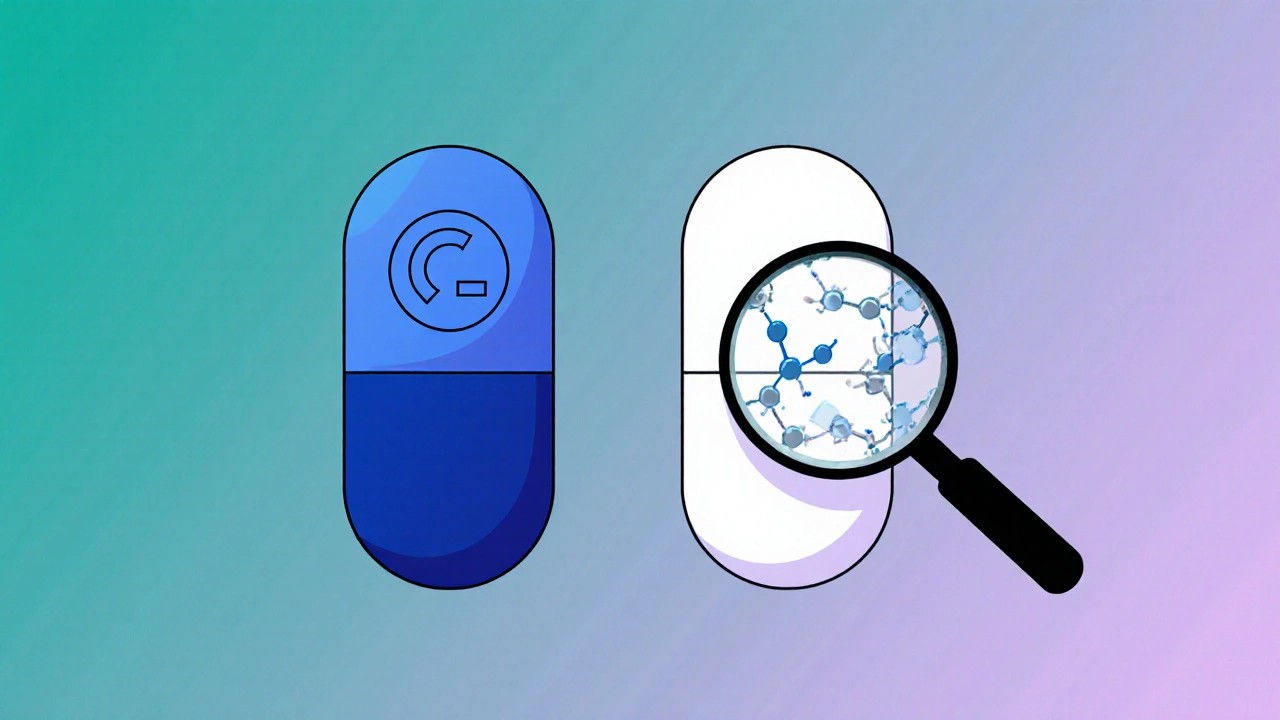
Generic drugs look different from brand-name pills because U.S. trademark laws require visual distinction to protect brand identity. But the medicine inside is identical. Here's why this rule exists - and how to stay safe when your pill changes.

When you see trademark laws, legal rules that protect brand names and logos for products, including medications. Also known as intellectual property rights, these laws decide who can call a drug by its brand name—and who can’t. That’s why you see trademark laws everywhere in pharmacy: Zyrtec, Xyzal, Paxil, Glucophage—they’re not just names, they’re legally owned assets. These rules keep one company from copying another’s brand, but they also shape how affordable your meds are.
Behind every brand-name drug is a patent and a trademark. Once the patent expires, other companies can make the same medicine—but they can’t use the original brand name. That’s where generic drugs, medications with the same active ingredient as brand-name drugs but sold under their chemical name come in. Generic versions like loratadine instead of Claritin or metformin instead of Glucophage are legal because trademark laws don’t protect the chemical name, only the brand. But here’s the catch: even with generics, companies still fight over packaging, logos, and even pill shape to avoid confusion. The FDA regulations, rules enforced by the U.S. Food and Drug Administration to ensure drug safety, labeling, and market access require generics to match brand drugs in strength, dosage, and safety—but not appearance. That’s why your generic pill might look different, even if it works the same.
Trademark laws also affect how drugs are advertised, promoted, and even prescribed. A doctor can’t legally prescribe "Cialis" if the trademark is contested, and pharmacies can’t substitute a generic unless the trademark allows it. These rules aren’t just for big pharma—they impact you. If you’re buying cheap generic Claritin or Paxil online, trademark laws are why you need to check if the pharmacy is legit. Scammers often copy brand names to trick you into buying fake meds. That’s why knowing the difference between a trademarked name and a generic name helps you avoid dangerous fakes.
What you’ll find below are real stories about how these laws play out in everyday medicine: from drug shortages tied to naming conflicts, to how new antidepressants fight for brand space, to why some pills cost more just because of their label. These aren’t abstract legal debates—they’re the reason your medication looks, costs, and works the way it does.
Generic drugs look different from brand-name pills because U.S. trademark laws require visual distinction to protect brand identity. But the medicine inside is identical. Here's why this rule exists - and how to stay safe when your pill changes.