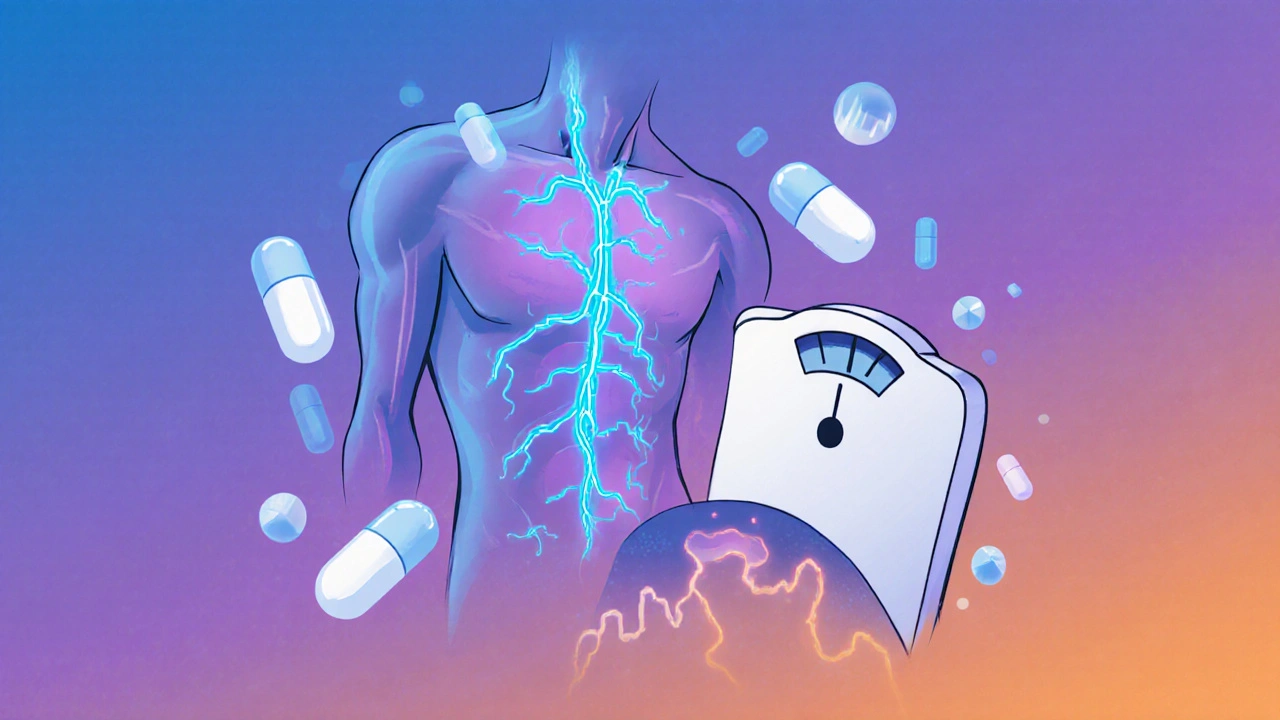
Next-generation GLP-1 agents like retatrutide and orforglipron offer powerful weight loss but come with significant side effects and unknown long-term risks. Learn what’s safe, what’s not, and how to use them wisely.

When you hear oral GLP-1, a type of diabetes and weight loss medication taken as a pill instead of an injection. Also known as oral semaglutide, it mimics a natural hormone your body makes after eating to help control blood sugar and reduce appetite. This isn’t just another pill—it’s a breakthrough that lets people manage type 2 diabetes and lose weight without needles. Before oral GLP-1, these drugs only came as weekly injections like semaglutide (Wegovy) or liraglutide (Victoza). Now, you can swallow a tablet that does the same job, and that changes everything for people who hate shots or find them hard to stick with.
The science behind it is simple: your gut releases a hormone called GLP-1 after meals, telling your pancreas to make insulin and your brain to feel full. But in people with type 2 diabetes, that signal gets weak. Oral GLP-1 drugs boost that signal. They don’t just lower blood sugar—they help you eat less, lose weight, and protect your heart. That’s why doctors are now prescribing them not just for diabetes, but for obesity too. And unlike older pills like metformin, which mainly help your body use insulin better, oral GLP-1s actually change how your body responds to food. They slow digestion, reduce cravings, and lower your liver’s sugar output—all in one pill.
Related to this are GLP-1 receptor agonists, a class of drugs that activate the GLP-1 hormone pathway, which include both the old injectables and the new oral versions. Then there’s weight loss meds, medications designed specifically to help people shed excess weight, where oral GLP-1s are now top performers. And don’t forget diabetes treatment, the full range of approaches used to manage blood sugar levels—oral GLP-1s are becoming a first-line option, not just a backup.
People using these pills report fewer hunger spikes, more stable energy, and better control over portion sizes. But they’re not magic. Side effects like nausea, diarrhea, or stomach pain can happen, especially at first. And they don’t work for everyone—some people need to combine them with other meds or lifestyle changes. What’s clear is that this isn’t a passing trend. The FDA approved the first oral GLP-1 in 2020, and since then, dozens of studies have confirmed its safety and effectiveness over years of use.
What you’ll find below are real, practical posts that dig into how these pills affect daily life—from managing side effects to understanding how they compare to injections, what they cost, and whether they’re right for you. You’ll see how they fit into broader treatment plans, what to expect when you start, and how to talk to your doctor about switching. No fluff. Just what matters when you’re trying to take control of your health with a pill you can swallow.
Next-generation GLP-1 agents like retatrutide and orforglipron offer powerful weight loss but come with significant side effects and unknown long-term risks. Learn what’s safe, what’s not, and how to use them wisely.