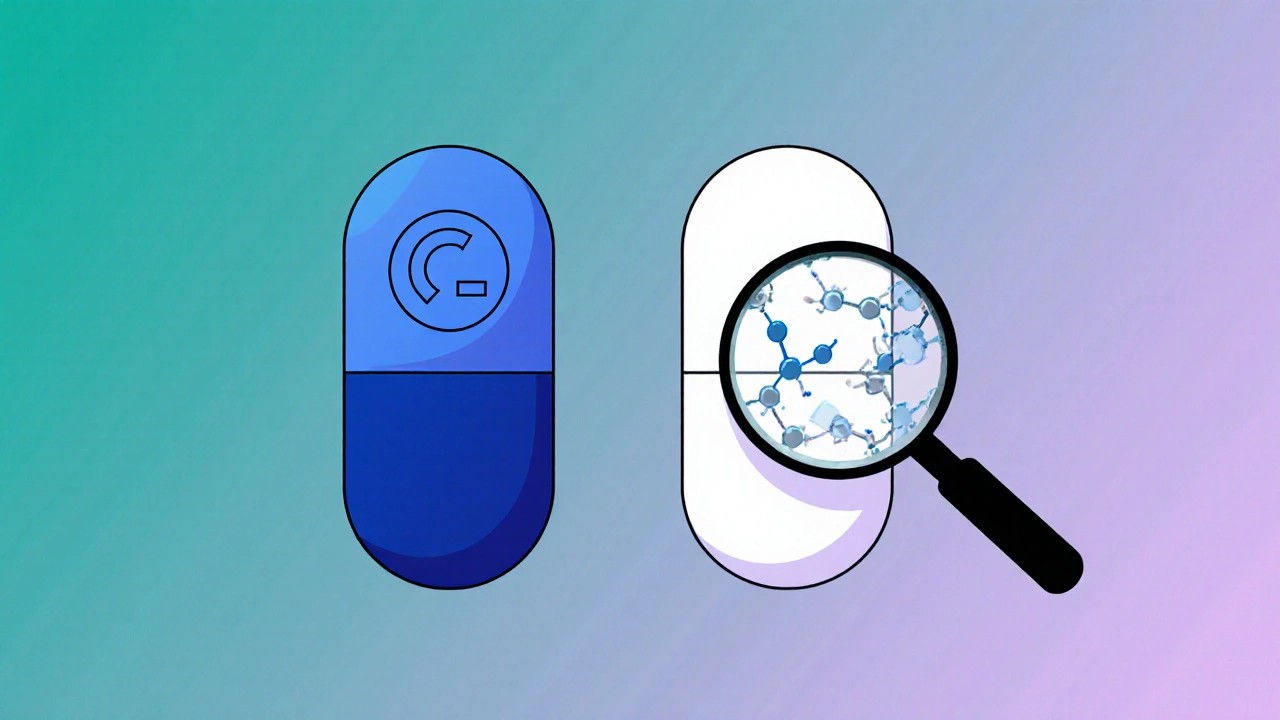
Generic drugs look different from brand-name pills because U.S. trademark laws require visual distinction to protect brand identity. But the medicine inside is identical. Here's why this rule exists - and how to stay safe when your pill changes.

When you pick up a prescription or buy an over-the-counter pill, FDA regulations, the rules set by the U.S. Food and Drug Administration to ensure medicines are safe, effective, and properly labeled. Also known as drug approval standards, these rules control everything from how a new drug is tested to whether it stays on the shelf when supplies run low. You don’t need to be a scientist to understand them—you just need to know what they mean for you.
FDA regulations aren’t just about greenlighting new drugs. They also track drug shortages, when manufacturers can’t keep up with demand, leaving patients without access to critical meds. That’s why tools like the FDA drug shortage database, a real-time public resource that lists which medications are running low and why exist. If your medicine suddenly disappears from the pharmacy, it’s often because of a manufacturing delay, raw material issue, or quality control problem—all things the FDA monitors and reports. These shortages aren’t random; they’re tied to supply chains, regulatory inspections, and even global events.
Then there’s medication safety, the ongoing process of watching for side effects, interactions, and misuse after a drug hits the market. The FDA doesn’t just approve drugs and walk away. They keep watching. A drug might get approved based on a 6-month trial, but real-world use over years can reveal new risks—like steroid-induced psychosis, opioid-induced constipation, or drowsiness from antihistamines. That’s why posts on how to manage ketorolac side effects or why cetirizine causes more sleepiness than levocetirizine matter: they’re grounded in FDA-collected data and real patient experiences.
FDA regulations also shape what’s available online. If you’re buying generic Claritin or Metformin, you’re relying on the FDA to ensure those pills are the same as the brand-name version. But not all online pharmacies follow the rules. Knowing how to spot a legitimate pharmacy isn’t just helpful—it’s part of understanding how FDA guidelines protect you from counterfeit drugs.
These rules affect everyone: patients managing chronic pain, pregnant women choosing morning sickness remedies, shift workers relying on safe meds, and people with kidney disease needing adjusted opioid doses. The FDA doesn’t make the rules for fun—they exist because someone got hurt before. And now, you can use their data to make smarter choices.
Below, you’ll find real guides based on actual FDA data and patient experiences. No fluff. No guesswork. Just clear answers on how to check drug availability, understand why your medicine caused drowsiness, or know when to ask your doctor about alternatives. This isn’t theory. It’s what’s happening right now—and what you need to know to stay safe.
Generic drugs look different from brand-name pills because U.S. trademark laws require visual distinction to protect brand identity. But the medicine inside is identical. Here's why this rule exists - and how to stay safe when your pill changes.